Transloading vs Cross-Docking Explained for Shippers
Freight can move through a facility and still be fine. The problem starts when it sits too long, misses the next handoff, or stays in equipment that no longer fits the move. This is why transloading vs cross-docking matters for shippers. Transloading helps when freight needs a different mode or trailer. Cross-docking helps when freight is ready to be sorted and moved back out. Both directly affect transportation costs, delivery performance, shipment visibility, and customer satisfaction.
Recent logistics data shows why this matters. The May 2026 Logistics Managers’ Index reported growth in inventory costs, warehouse pressure, and transportation prices, while transportation capacity was contracting. We are seeing that pressure show up across ports, rail ramps, and regional distribution networks, where every freight transfer has to be planned more carefully. For shippers, that means freight-flow decisions cannot be treated as small handling choices anymore.
What Does Transloading Actually Mean and Who Is It For?
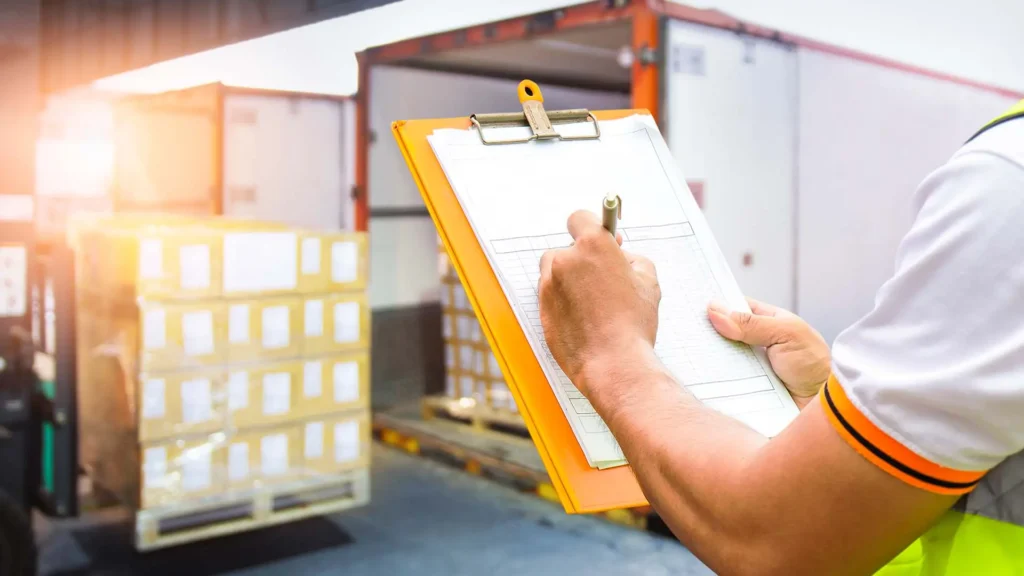
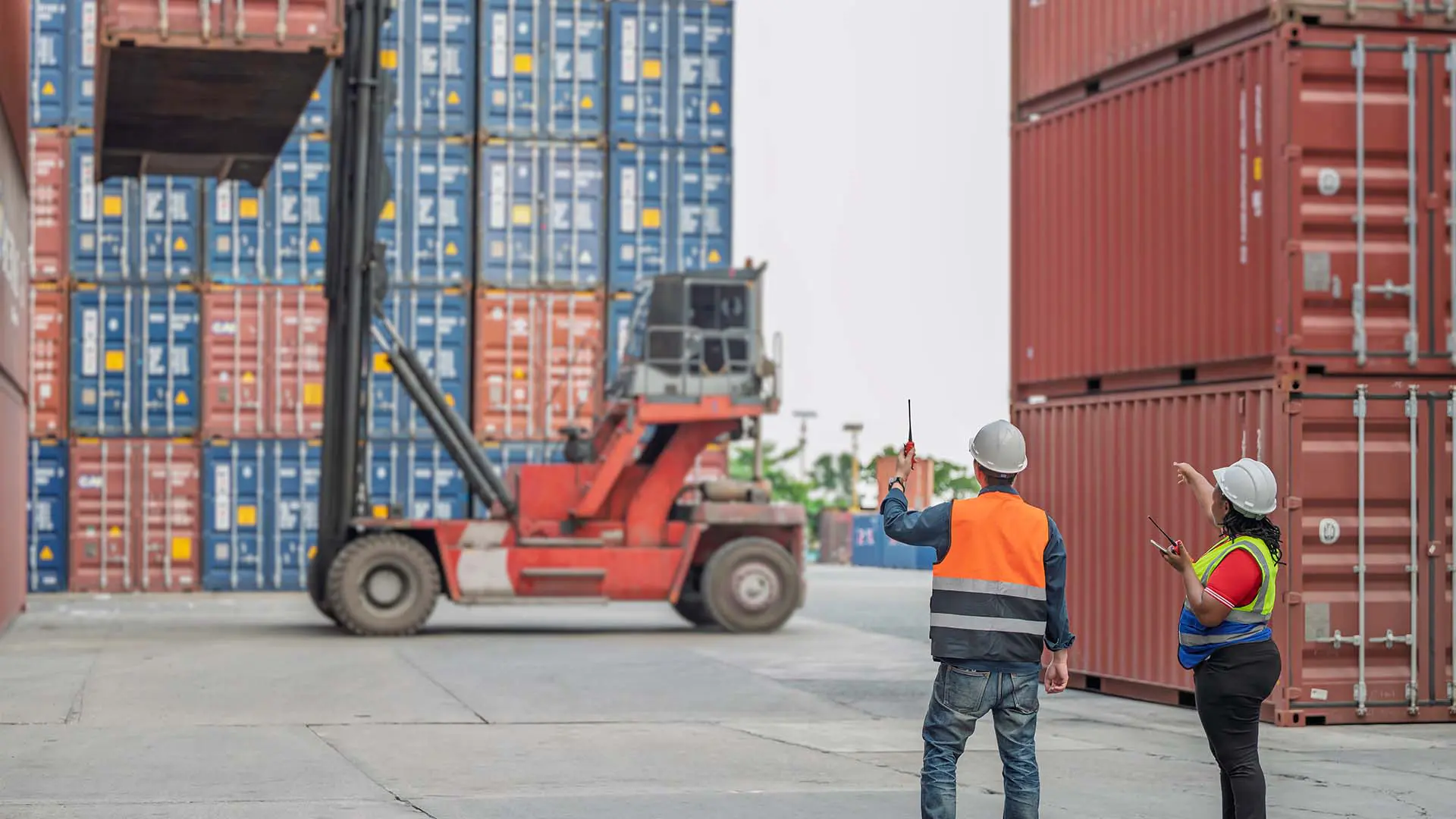
The practical transloading meaning is moving the same freight from one mode or equipment type to another without changing ownership. In practice, a shipment may come out of an ocean container and move into a domestic trailer. Rail freight may be moved to a truck. Floor-loaded cargo may need to be palletized before it can move to customers.
We have seen transloading help when the freight is no longer in the right equipment for the next move. A container may need to go back, while the freight still needs to move inland or be rebuilt for delivery.
Transloading often fits when shippers deal with:
- Import freight near ports
- Rail-to-truck moves
- Floor-loaded freight
- Detention or demurrage risk
- Inland distribution
- Better trailer use
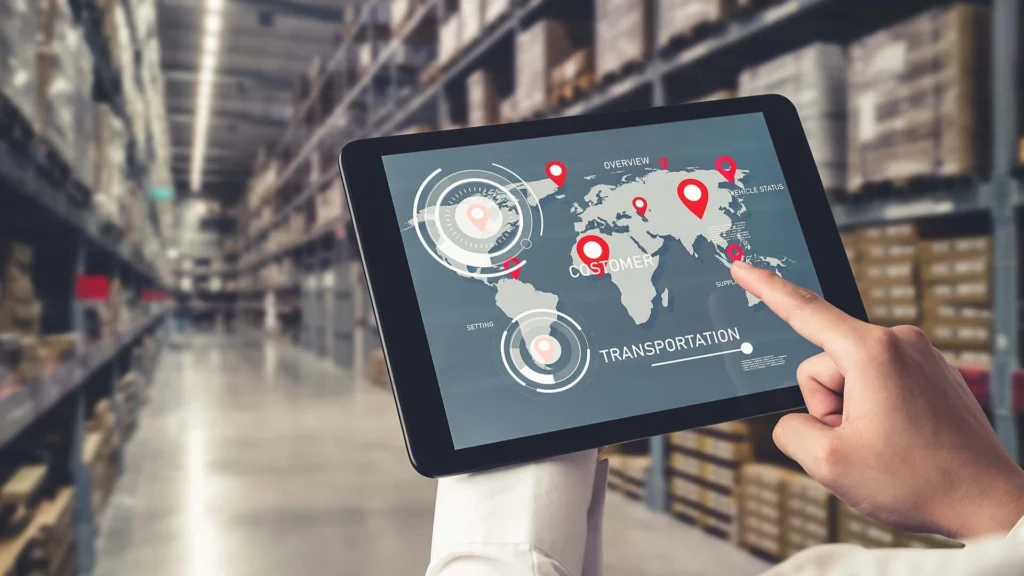
The transfer is only part of the work. The bigger value is control. If freight sits too long, the cost builds. If the team does not know the status, customer communication gets harder. Shippers need clear updates when freight is received, staged, reworked, loaded, and released.
Cross-Docking Explained: Speed Over Storage
The cross-docking meaning is simple in practice. Freight makes a quick stop, gets sorted by where it needs to go, and moves back out. We have seen cross-docking work best when the destination is already clear. The freight may need to be split by customer, store, route, region, PO, or SKU. The problem starts when that freight gets treated like storage inventory instead of freight that should keep moving. That adds handling, uses labor, and can push delivery later than planned.
Cross-docking can help when freight needs:
- Fast sorting by destination
- Consolidation from several inbound loads
- Deconsolidation for outbound delivery
- Store or customer-level distribution
- Less storage time
- Better dock and carrier timing
Cross-docking only works when the timing is right. Inbound freight, dock labor, outbound carriers, and delivery appointments all need to line up. Shipment visibility and proactive customer communication become critical because delays can affect every downstream delivery appointment. When freight is moving fast, small changes can affect delivery plans. The customer should not hear about those changes last. Cross-docking is not just a warehouse task. It is freight flow management.
Transloading vs Cross-Docking: Choosing the Right One for Shipment
The real difference shows up when a shipper asks one question. Where is the freight losing control? Cross-docking vs transloading is not about which option sounds better. It is about what the shipment needs next.
Transloading | Cross-Docking |
Changes the transportation mode or equipment | Sorts freight for the next move |
Often happens near ports or rail ramps | Usually happens in a distribution center or cross-dock facility |
Solves an equipment or mode issue | Solves a destination or flow issue |
May include palletizing or reworking freight | Uses minimal handling when timing is right |
Can help reduce demurrage and container delays | Can help reduce storage time and warehouse congestion |
Use transloading when the issue is equipment, mode, or container control. Use cross-docking when the issue is sorting, speed, or outbound movement.
A simple way to decide
Before choosing, ask:
- Is the freight changing from ocean, rail, or container equipment?
- Does the shipment need to be palletized or reworked?
- Is detention or demurrage becoming a risk?
- Is freight moving to several destinations?
- Does the freight need to move out without storage?
- Is the warehouse becoming a bottleneck?
- Does the customer need faster or clearer updates?
If the answer points to equipment, transloading may fit better. If the answer points to sorting and outbound speed, cross-docking may fit better.
Many businesses treat cross-dock vs transloading as an either-or choice. That is not always how freight moves. An importer may unload freight from an ocean container near the port. The freight may move into domestic trailers, travel inland, and then get sorted by customer, PO, SKU, or region. In that case, transloading handles the equipment change. Cross-docking handles the distribution flow. The mistake is choosing the service before finding the constraint. The facility matters less than how the freight needs to move.
Conclusion
The right choice is not always the lowest handling cost. It is the option that removes the pressure point from the shipment. Transloading vs cross-docking should be judged by where freight slows down. If freight is tied to the wrong equipment, transloading may help. If freight needs faster sorting and outbound movement, cross-docking may fit better.
The right freight decision should remove friction from the next move. If freight is still sitting too long at the port, waiting inside a warehouse, or getting delayed between delivery points, the process needs to be reviewed. At InstiCo Logistics, we look at how the freight is moving through the full supply chain, not only the shipment in front of us. Once the slow point is clear, it becomes easier to choose the right path, whether that is transloading, cross-docking, or both.
FAQs
What is the difference between transloading and cross-docking?
Transloading is the part of the move where freight needs different equipment. That could be a container, trailer, railcar, or truck. Cross-docking is different. The freight comes in, gets sorted, and leaves again without sitting in storage.
Can one shipment use both transloading and cross-docking?
Yes, and it happens more than people think. Import freight may be transloaded near the port first. Later, that same freight may be cross-docked by customer, route, PO, SKU, or region before delivery.
When should a shipper choose transloading?
Choose transloading when the freight is in the wrong equipment for the next leg. It may need to move from an ocean container into a trailer, from rail to truck, or from floor-loaded freight onto pallets.
When is cross-docking the better option?
Cross-docking fits when the freight already has a place to go. It should not sit in storage. It just needs to be sorted, matched with the right outbound move, and sent on its way.