
What Is a Bill of Lading? Why Accurate BOLs Prevent Delays
We’ve seen shipments get delayed before the truck even leaves the dock. The freight is ready. The pickup is scheduled. Then someone checks the paperwork and finds the problem. The paperwork does not match what is actually getting shipped.
This was much simpler and far more common than most people realize. That is why the BOL matters so much once the freight is ready to move. It gives the carrier the shipment record they will actually work from. If the weight, address, piece count, or delivery note is wrong, the shipment starts with the wrong information.
For shippers, the point is simple. The BOL should match the freight going onto the truck. UCC § 7-301 also covers shipment details such as description, weight, load, and count when questions come up later.
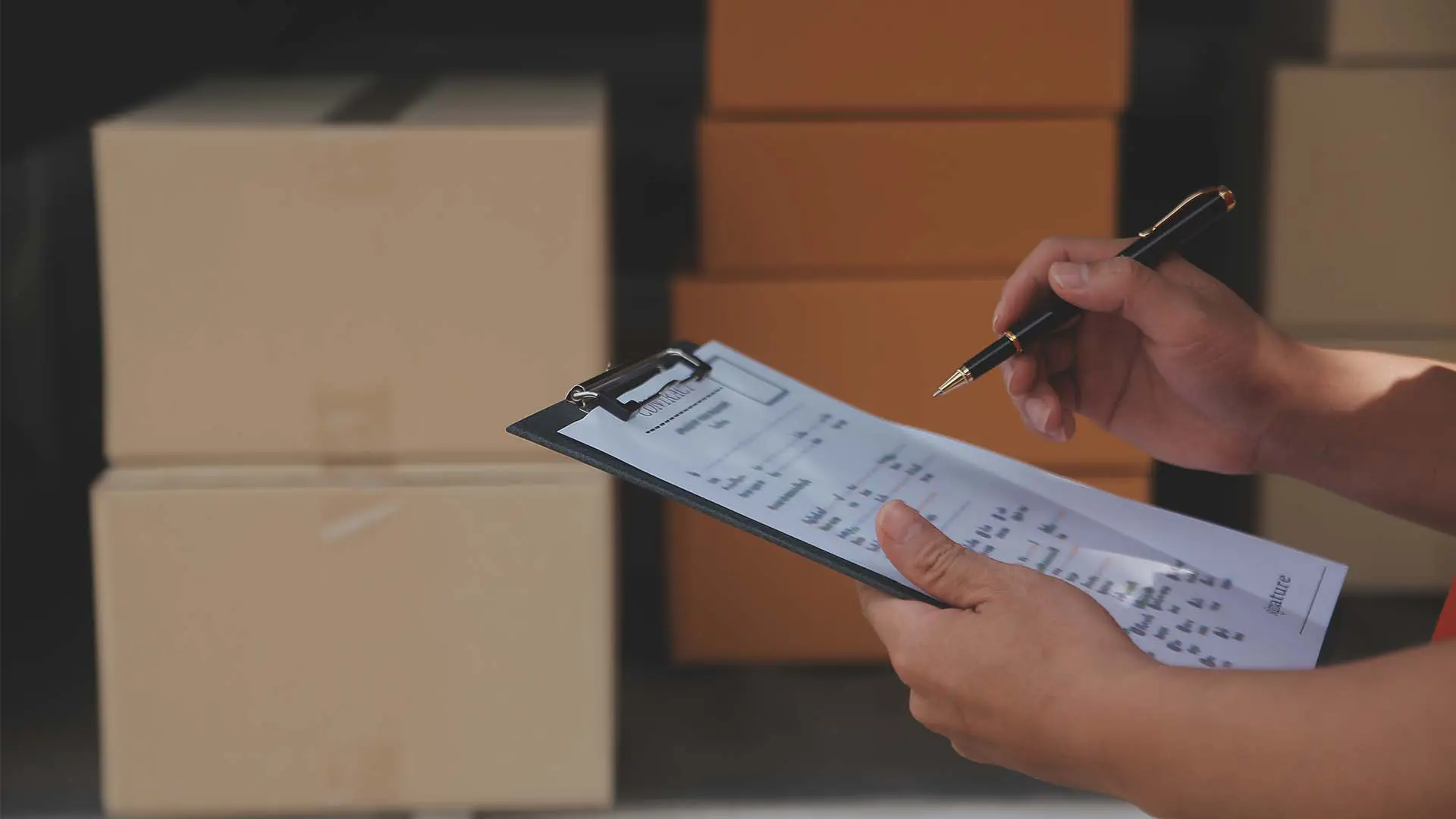
What Is a Bill of Lading? Meaning, Purpose, and Why It Matters
The bill of lading meaning is not complicated. A Bill of Lading, or BOL, is the shipping document used for the freight being moved. It shows the carrier what is being picked up, who is shipping it, who is receiving it, and the terms tied to the shipment.
A BOL generally serves three important purposes:
- Receipt of freight
- Transportation instructions
- Documentation supporting billing and freight claims
That is why more than one team may come back to it later. The shipper and the carrier may need it. The consignee, customer service team, and accounting team may also use it if something does not match. A BOL can be filled out and still cause problems. Before pickup, it should be checked against the freight on the dock, the quote used to book the shipment, and the delivery notes the carrier needs.
What Information Should a Bill of Lading Include?
A good shipping bill of lading provides the carrier sufficient detail to move the freight without stopping for basic questions.
Most BOLs include:
- Shipper and consignee details
- Pickup and delivery addresses
- Contact information
- Freight description
- Piece count or pallet count
- Weight and dimensions
- Freight class and NMFC code
- Handling needs
- Delivery appointment notes
- Reference number or Purchase Order (PO) number
- Declared value, when needed
- Seal number, when applicable
In our experience, many BOL issues come from small dock changes. A shipment may be quoted as one pallet, but by pickup, it leaves as two wrapped pallets. The weight may change after packing, and a delivery note may be added before pickup. If the BOL still shows the first version, the carrier is not working from the real shipment. That is the detail many teams miss. The shipment record should match what is actually being tendered, not only what was planned earlier.
Bill of Lading Sample, Template, and Best Practices
A bill of lading sample can help a team understand what belongs on the document. It is useful for training, especially when new staff members are learning how freight details should be recorded. But a sample should not replace a shipment check. Old details can create new problems when the weight, packaging, class, destination, or delivery needs have changed.
When to use a bill of lading sample or bill of lading template
A bill of lading template works well when a company ships similar freight often. It saves time and helps keep common fields from being missed. The issue starts when the template becomes the process. The BOL should be checked against the freight on the dock, not just the sales order or quote. The dock is where the final shipment becomes clear.
Choosing the right bill of lading word template for your business
A bill of lading word template can work for simple shipments, especially when shipping volume is low. It is easy to update and share. The risk is using the same file too early again. If you ship LTL freight regularly for your business, you need space on your bill of lading forms for class, NMFC code, weight, dimensions, handling notes, and delivery instructions.
Those details impact how freight is placed and set for LTL shipments. If they are copied from an old form vs. checked against the freight, the shipment can raise cost questions later on. Most transportation management systems automatically generate Bills of Lading, reducing manual entry and helping improve accuracy.
How Accurate Bill of Lading Documents Prevent Shipping Delays
A clean BOL gives the carrier fewer reasons to stop before pickup. If the address, contact, count, or liftgate note is incorrect, the carrier must stop and get it corrected. The same thing happens when the freight changes at the dock, but the BOL does not. A rewrapped pallet, changed count, or added appointment can all create delays if the carrier is working from the wrong record.
A bill of lading example can show the right format, but the final document still has to match the actual freight.
Before pickup, the team should check:
- Does the BOL match the quote?
- Does it match the freight on the dock?
- Are weight, class, dimensions, and NMFC code correct?
- Are liftgate, inside delivery, residential delivery, limited access, or appointment delivery clearly listed?
- Are contacts and delivery notes clear?
At InstiCo, accurate BOLs are part of how we plan freight, not something we check at the last minute. We review the shipment details, work with carriers, and confirm the paperwork before pickup when we can. That helps reduce avoidable delays, billing issues, and freight claims.
Conclusion
A bill of lading is often treated like the last step before pickup. It should be treated like one of the first control points. When the BOL matches the freight, quote, and delivery needs, the shipment has a cleaner start. When it does not, delays, billing changes, and claims issues can follow.
Better freight performance often starts before the truck arrives. The shipment record has to be clear, the carrier needs the right instructions, and the team should know what is moving before pickup. InstiCo Logistics helps and works with shippers on cleaner documentation, better carrier coordination, and fewer avoidable problems from pickup through delivery.