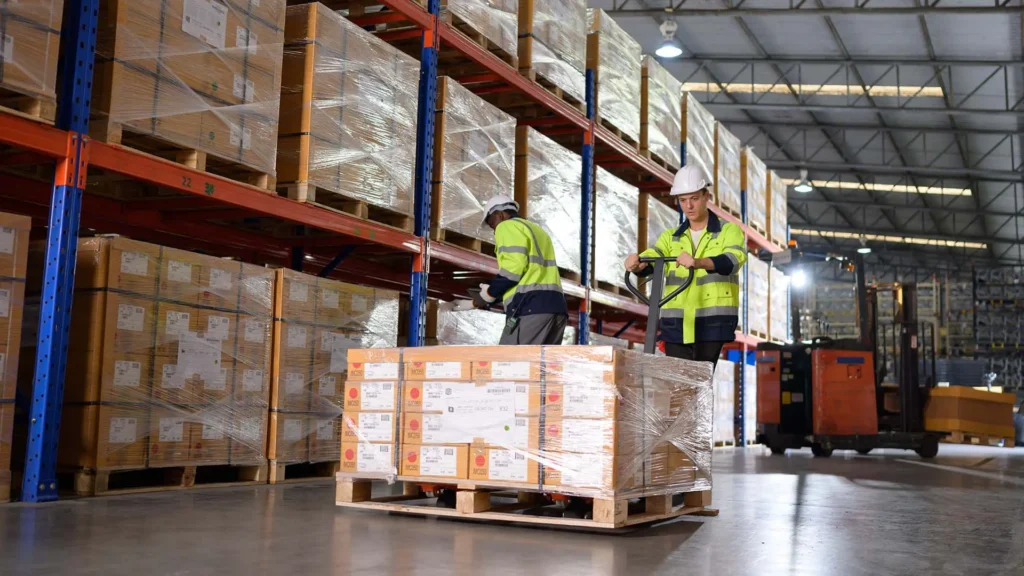
A shipping day can look normal until the small issues start showing up. The load was picked up, but no one has a clean update. The customer wants an ETA. The invoice comes back higher than the quote. A lane that used to run fine is now missing appointments every week. Nothing looks broken at first, but the team keeps spending time chasing answers.
A supply chain performance audit helps shippers look at the work behind the shipment. The question is not only, “Did it move?” It is, “What did it cost, where did it slow down, and why does the same issue keep coming back?”
The 2025 CMCSP State of Logistics Report reported U.S. business logistics costs at $2.4 trillion, equal to 7.8% of GDP. For shippers, that puts real weight behind small freight mistakes. A few extra charges here and there can become a bigger margin problem when they keep showing up.

Why Supply Chain Performance Gets Missed
Most shippers already have reports. The problem is that reports usually show the end result. They do not always show what caused it. A late delivery may have started with a slow dock. A higher invoice may have started with the wrong freight details. A missed appointment may have come from a bad pickup window. A carrier may look fine overall but still be the wrong fit for one lane.
That is how supply chain performance gets missed. The numbers may look acceptable at a high level, while the team is still dealing with late updates, invoice questions, and customer follow-ups every week. A useful audit follows the shipment from quote to pickup, delivery, invoice, and customer update. It helps the team see where the issue began.
Accessorial charges are often the first sign that something needs attention. Repeated detention may point to loading delays. Redelivery charges may mean the delivery instructions were not clear. Reclass charges often show that the shipment details were not checked closely enough before pickup.
Where to Focus Your Performance Audit
The audit should start where shippers usually lose money or time. Look at the quote against the final invoice. If the final cost keeps changing, do not stop at the rate. Check detention, storage, liftgate, limited access, reclass, and redelivery charges. These are not just extra fees. They usually tell you where the process is slipping.
Do not judge a carrier only by the full network report. A carrier can look good overall and still miss on one lane, one pickup window, or one type of delivery. The better check is by lane, because the best carrier in one place may not be the right carrier for every shipment.
A simple audit can be grouped like this:
Cost
- Quote vs final invoice
- Accessorial charges
- Claims and damages
Service
- On-time pickup
- On-time delivery
- Carrier response time
Fleet
- Empty miles
- Trailer dwell
- Dedicated capacity use
A fleet management audit fits here, too. Busy does not always mean the fleet is running well. Trailers can sit too long, trucks can lose time at the dock, and routes can still add cost even when the fleet looks fully used.
At InstiCo, we have seen that teams catch problems earlier when carrier work, shipment updates, route planning, and customer communication are kept in one working view. It gives the team a cleaner read on what is happening before the issue reaches the customer.
Supply Chain Metrics That Actually Help
A long KPI list is not always useful. The right number should help someone decide what to fix. For shippers, it helps to split the review into cost and service. Cost numbers show where money is leaking. Service numbers show where freight slows down and where the customer starts feeling the issue.
Metrics That Show Cost Problems
Cost is often the first place to check. The most useful supply chain performance metrics include cost per shipment, freight cost by lane, invoice accuracy, accessorial charges, claims, and redelivery. The goal is not just to find higher costs. It is to understand what is driving them so the team can correct the problem instead of seeing it repeat on the next load.
Metrics That Show Service Problems
Useful supply chain management performance indicators include on-time pickup, on-time delivery, tender acceptance, exception response time, order cycle time, trailer use, and customer delivery complaints. These numbers should answer simple freight questions. Where is the delay starting? Which carrier needs a review? Which dock process is holding freight? Which issues are reaching the customer too late?
When shipment updates, carrier details, orders, and customer notes sit in different places, the team can miss the pattern. InstiCo’s TMS tools help bring those details into one working view, so problems are easier to catch before they turn into another delay or customer follow-up.
How AI Fits Into a Performance Audit
Shippers are asking how AI affects supply chain performance. AI can find patterns fast, but it still reads whatever data is already in the system. It can flag late loads, invoice issues, lane risk, and planning gaps. McKinsey has also written about AI being used in logistics work like transportation, warehousing, procurement, and customer service.
The problem is simple. AI does not know if a shipment record is bad. If carrier updates are missing, delivery events are skipped, lane costs are unclear, or invoices are tied to the wrong load, it will still use that data.
Before leaning on AI, check the basics:
- Are shipment details complete?
- Are carrier updates reliable?
- Are costs coded correctly?
- Are invoices tied to the right shipment?
- Are exceptions tracked in one place?
Clean data gives the team better alerts, better planning, and better answers when something changes.
Conclusion
Most transportation problems do not start as big problems. A late update, a missed delivery window, unclear data, or a process no one checks can slowly become part of the normal work. A supply chain performance audit helps shippers catch those patterns before they get expensive. The goal is not to add another report. The team needs to see where the work is breaking down, where service is slipping, and which costs keep coming back.
If the same lane, carrier issue, fleet problem, visibility gap, or customer communication issue keeps showing up, InstiCo can review the shipment data, transportation process, carrier performance, and system connections. That gives the team a clearer place to start.
FAQs
What should be included in a supply chain audit?
Freight cost, carrier performance, invoice accuracy, shipment visibility, fleet use, data quality, and repeated service issues.
Which supply chain performance indicators matter most?
The most useful supply chain performance indicators are cost per shipment, timely pickup, delivery on time, invoice accuracy, claims, tender acceptance, and exception response time.
How often should shippers review performance?
Review key lanes monthly. Check carrier performance quarterly, or sooner when costs, delays, or customer complaints keep repeating.