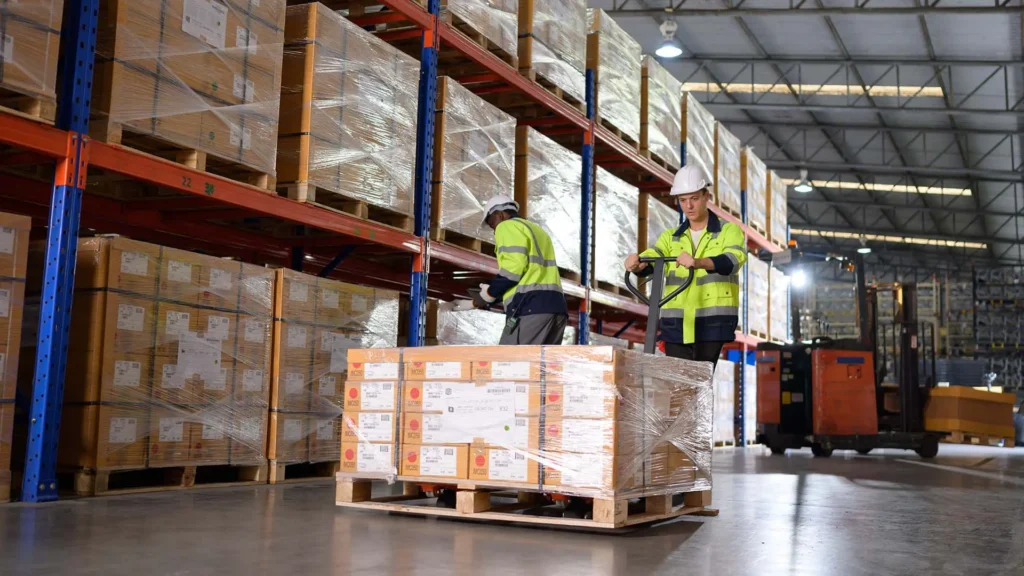
Freight often gives a few warnings before it turns into a problem. The pickup gets moved, but the warehouse still has the first time on the board. A receiver changes the dock slot, but the update does not reach the person booking the carrier. The driver is running behind, and by the time everyone sees it, the load is already tight.
Here are the gaps shippers are trying to close in 2026. Integrated logistics services are more than moving freight. They keep the load, the warehouse, the documents, the cost, and the customer all updated together while the work is in process.
That matters because freight mistakes do not stay small for long. A late update can turn into detention. A missed appointment can push delivery into the next day. A document delay can hold up billing or customer confirmation. CSCMP’s State of Logistics research shows how much U.S. companies already spend on logistics, so repeated freight misses are not just annoying. They are operating costs.
What Integrated Logistics Service Means in 2026
An integrated logistics service keeps the main freight steps working from the same playbook. That can include truckload, LTL, drayage, warehouse handling, transloading, final-mile delivery, proof of delivery, reporting, and freight cost review. A lot of companies do not have a people problem here. They have a handoff problem.
The transportation team has one update, and the warehouse has another. Customer service is waiting for someone to confirm what happened. Finance does not see the real number until the invoice shows up. Everyone is doing their job, but the full shipment picture is split across too many places.
That setup may work when the volume is low. Once shipments pick up, it gets harder. More lanes, more carriers, more appointment times, more documents. One missed detail can throw off the rest of the move.

A connected process gives the team a better read on the shipment from pickup to delivery. It does not remove the work, but it makes the work easier to follow.
Why Integrated Logistic Services Go Beyond Tracking
Integrated logistic services should do more than show a tracking link. A tracking link can tell you where the truck is, and it may even show a delay. What it does not always show is how that delay affects the rest of the move.
Say a pickup is running late. The truck location matters, but the better questions come right after it. Can the warehouse still load it? Will the receiver still take it? Does the customer need a new ETA? Is detention about to start? Does another carrier need to be considered? This is the part many teams end up managing by phone and email.
Good visibility helps the team decide what needs attention. Not every late update is a crisis. Some loads still have room. Others are one missed appointment away from extra cost or a customer call. Freight people need to know the difference quickly.
How Integrated Logistics Solution Services Use TMS
A transportation management system, or TMS, keeps the freight record close to the load. The plan, carrier details, updates, documents, and cost notes are easier to find.
Gartner’s 2025 supply chain technology trends point to more AI, sensing, and connected tools in supply chain work. In freight terms, that simply means the system should help people spot risk earlier, not bury them in more screens.
Planning the Move
Good planning starts before the load is booked. Integrated logistics solution services use TMS tools to review the lane, timing, mode, carrier fit, rate, and appointment needs before freight leaves the dock.
Price matters, but it should not run the whole decision. A carrier can look cheap on the quote and become expensive later if they miss pickup, go quiet during transit, or struggle on that lane. A better plan looks at the full move, not just the rate.
Watching the Load
Once freight is moving, the team needs updates that are useful. Estimated Time of Arrival changes, carrier notes, delay alerts, and appointment changes should be easy to find without digging through five places.
A small delay on a loose delivery window may only need a note. A delay on a retail appointment may need a call, a recovery plan, or a new delivery setup. The system can flag the risk, but an experienced freight person still has to make the call.
Closing the Job
Delivery does not finish the shipment record. PODs, accessorial notes, billing details, customer confirmations, and carrier performance still need to match.
A serious integrated logistics service provider treats closeout like part of the move, not paperwork at the end. Clean records show what happened, what changed, and whether the final cost makes sense. Over time, history shows which lanes are steady, which carriers need review, and which problems keep coming back.
InstiCo helps here by keeping the plan, updates, documents, and cost details tied to the same shipment. That way, the team is not closing the load from one place, checking costs in another, and chasing updates somewhere else.
How Logistics Integrated Services Control Costs Earlier
A logistics integrated services setup helps companies catch cost problems before the freight bill arrives. A quote is only the starting point. The final cost can change at pickup, during transit, at the dock, or after delivery paperwork is checked.
Common cost risks include:
- Detention
- Demurrage
- Accessorial charges
- Missed appointments
- Late PODs
- Wrong mode choice
- Repeated carrier issues
- Document gaps
A driver stuck at a dock can turn into detention. A container sitting too long can bring demurrage. A wrong freight detail can trigger a correction. One charge may not hurt much. The same charge every week becomes a real margin problem.
Better systems help teams catch the active issue and also see the pattern behind it. Operations can fix today’s load. Leadership can ask why the same lane, carrier, or warehouse keeps creating costs. That is important when a company is growing because weak spots show up faster when more freight is moving.
every delay. It will not fix traffic, weather, closed docks, or every carrier issue. Its value is in giving people more time to respond.
With real-time shipment tracking, a shipper can call the carrier sooner, update the customer earlier, change a delivery appointment, or prepare the receiver before the load arrives late. That is a much better position than explaining the problem after the window has already been missed.
This is also where practical exception management matters. A missed pickup is not the same as a late terminal scan. A tight appointment is not the same as a load that stopped moving. Each issue needs a different response.
Clear tracking also helps with carrier performance. When the same problem keeps showing up, the shipper can have a real conversation with the carrier. Not based on guesswork. Based on what happened.
For high-volume operations, the real time tracking of shipments is most useful when it helps people decide the next step faster. A late update should not sit unnoticed. It should lead to a call, a customer note, a dock update, or a backup plan.
What to Expect From an Integrated Logistics Services Provider
A good integrated logistics services provider should not just hand over a dashboard and call it visibility. Shippers need clean systems, but they also need people who know what to do when freight changes.
Look for support such as:
- Real-time freight visibility
- Exception alerts
- TMS support
- Carrier performance tracking
- Warehouse coordination
- Document control
- Freight cost reporting
- Clear customer updates
- People who respond when plans change
Operations need quick answers. Finance needs cleaner cost records. Customer service needs updates they can trust. Leadership needs to know when cost risk or service risk is starting to build.
For online brands, e-commerce logistics integration services can also help connect inventory, fulfillment, delivery updates, and customer expectations. The customer does not see the carrier handoff or warehouse issue. They only see a late update, a missed delivery promise, or no clear answer. A reliable provider should make freight easier to manage, not harder to understand.
Conclusion
Technology will not make freight perfect. Trucks still run late, docks still back up, weather changes plans, capacity gets tight, and paperwork still matters.
The value of integrated logistics services is time. The team sees the problem earlier, brings the right people in sooner, and acts before the delay or extra cost grows. Better systems give freight teams more control. Good freight people know how to use that control.
If your freight is moving through too many disconnected steps, InstiCo can help bring transportation, visibility, and logistics coordination into one clearer process.
FAQs
What are integrated logistics services?
They connect freight movement, warehousing, shipment visibility, documents, and cost control into one managed process instead of leaving each step separate.
What does an integrated logistics service provider do?
A provider coordinates carriers, warehouse handoffs, shipment updates, documents, and reporting so shippers are not left chasing every step alone.
Are integrated logistics solution services only for large shippers?
No. They can help any company manage regular freight, multiple carriers, warehouse handoffs, delivery pressure, or freight cost issues.