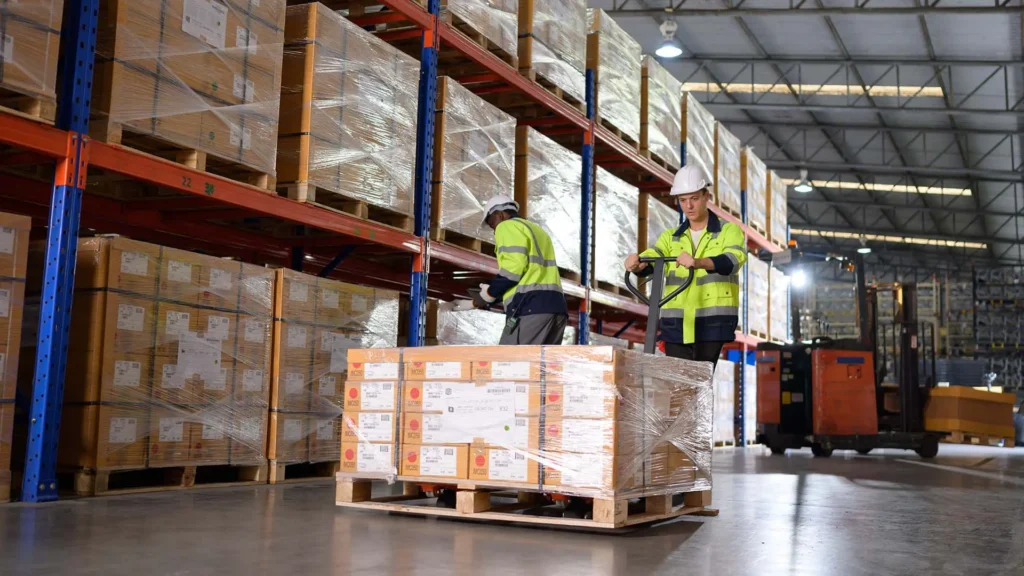
LTL quotes often change when the freight details do not match the pallet that gets picked up. This blog explains how freight class, weight, dimensions, packaging, and accessorial needs affect the final bill, and how InstiCo helps shippers catch these issues before they turn into reclass charges or invoice surprises.
Why Your LTL Shipping Quote Keeps Changing (Freight Class)
A company books an LTL shipping quote and ships the pallet out. The load gets delivered, but the invoice does not match the number they approved. Now someone has to go back and figure out why the bill changed. A lot of times, the answer is in the freight details. The carrier may have found a different class, weight, size, or handling need after pickup. The shipment itself may not have changed, but the quote may not have matched the pallet that actually moved.
That can happen when the pallet is measured before wrapping or the skid weight gets missed. The product may also get entered as “parts” instead of a clear description, or the freight class may be guessed just to get the load booked. One small miss may not hurt much on a single shipment. But when the same thing happens across weekly LTL freight, it starts affecting freight cost, customer pricing, and margin on every order.

Why Freight Class Changes an LTL Shipping Quote
Freight class changes the quote because LTL is shared trailer space. The carrier is not only asking how heavy the freight is. They are also looking at how much room it takes, how easy it is to move, whether it can be stacked, and how much risk comes with it.
That is why an LTL freight shipping quote can change even when the weight looks close. A compact heavy pallet may be easier to load than a tall light pallet that cannot be stacked. The lighter pallet may cost more because it blocks space the carrier cannot use for other freight.
Freight class usually comes down to density, handling, stowability, and liability. In simple words, that means space, labor, trailer fit, and risk. The 2025 NMFC update made this more important because many LTL items are being reviewed under a more density-based approach, with more focus on the packed size and weight of the freight. NMFTA also noted that more than 2,000 NMFC items were being reclassified as part of the July 2025 changes. For shippers, the point is simple: old freight classes, loose product names, and guessed dimensions can now create more quote changes, reclass issues, and billing back-and-forth
What Carriers Check Before Giving a Quote
Before a carrier gives a shipping ltl quote, the shipment details need to match the freight that will actually move. This is the part that many teams rush when orders are moving fast.
Carriers usually need:
- Product or commodity type
- Total weight, including pallet and packaging
- Length, width, and height after packing
- Packaging type, such as pallet, crate, box, or drum
- Whether the freight can be stacked
- Pickup and delivery needs
- NMFC code, if available
InstiCo reviews these details with customers before pickup, so problems can be caught while there is still time to fix them. If the class looks off, the pallet size is missing, or the delivery needs liftgate, appointment, or inside service, the team can flag it early. That helps reduce reclassifications, invoice adjustments, and accessorial charges that could have been avoided.
The product description matters. “Parts” is not always enough. Metal parts, plastic parts, machinery parts, and fragile replacement parts may not rate the same way. The same goes for dimensions. If a pallet is quoted at 48 inches high but shows up at 68 inches after packing, the charge may change because the carrier is rating the pallet they actually received.
Real Examples of Freight Class Pricing
Freight class makes more sense when you look at real pallets. The number on the quote is not only tied to the product. It is also tied to how the freight sits, how much space it takes, and how the carrier handles it.
Heavy Machine Part
A heavy machine part does not always mean a high freight bill. If it is packed tight on one clean pallet, does not hang over the edges, and can be moved with a forklift, the carrier can plan around it.
That kind of shipment may lead to steadier LTL freight shipping quotes because the space and handling are easier to understand. The problem starts when the weight is guessed or the quote is made before final packaging. Add a larger skid, blocking, bracing, or extra wrap, and the shipment may no longer match the quote.
For this freight, quote it after the pallet is fully built, not before.
Lightweight Display Material
A retail display can create the opposite problem. It may not weigh much, but it may be tall, wide, or too weak to stack. That means the carrier has to give it more room inside the trailer.
A shipper may look for an LTL shipping quote and still wonder why the rate is higher than expected. The answer is usually space. A 150-pound display with a large footprint can create more rating trouble than a 600-pound compact pallet.
For this freight, the quote needs the final height, width, and stackability note upfront.
Fragile Boxed Equipment
Fragile boxed equipment can also change the price. The carrier may need to keep it away from heavy freight, avoid stacking on top of it, or handle it more carefully during transfer.
The freight may not be oversized or very heavy, but the risk is higher. If it is fragile, non-stackable, or high-value, it should be stated before the quote. Finding that out after pickup is when billing and service problems start.
Why LTL Shipping Quotes Change After Pickup
A quote changes after pickup when the freight does not match what was entered at the start. This can happen even when no one meant to give bad information.
Common reasons include:
- Reweigh at the terminal
- Reclass by the carrier
- Wrong pallet size
- Non-stackable freight
- Missing liftgate or appointment delivery
- Vague product description
- Accessorial charges not included
LTL shipping quotes should not be treated like quick guesses. If a pallet is entered as 500 pounds but weighs 640 with the skid, the bill can change. If it is marked stackable but arrives with “Do Not Stack” labels, the bill can change again.
For a growing business, these misses get expensive. More orders mean more pallets, more lanes, and more chances for the same quote mistake to repeat.
How to Get a Cleaner LTL Shipping Quote
A cleaner quote starts with the packed pallet, not the early estimate. Before requesting an LTL freight shipping quote in the USA, check the details that usually cause billing changes later.
Start with these:
- Verify the freight class
- Confirm the NMFC code, if you have it
- Measure the pallet after it is packed
- Include the pallet and packaging weight
- Note if the freight cannot be stacked
- List liftgate, appointment, or inside delivery needs
- Use a clear product description
InstiCo reviews these details with customers before pickup, while there is still time to fix missing class, pallet size, or service needs. For teams that want to check things first, a Free LTL Shipping Quote Accuracy Checklist can help review the basics and reduce reclass charges, invoice changes, and avoidable accessorial fees.
A simple LTL shipping quote platform may work for a plain pallet. But mixed freight, fragile freight, oversized pallets, and repeat LTL lanes usually need a closer look. A checklist can catch the easy misses, and InstiCo can help when the shipment needs more review.
Conclusion
Freight class can change an LTL shipping quote because the carrier is not only moving the weight. They are making space for the pallet, handling it through terminals, and taking on the risk that comes with the freight. When the final pallet size, packed weight, product description, stackability, or delivery needs are guessed, the invoice can change later.
InstiCo helps shippers catch those issues before pickup. If the class looks off, the pallet size is missing, or the freight needs a liftgate, appointment, or special handling, the team can help clean it up before the truck is booked. If your LTL bills keep coming back different from the quote, send the shipment details to InstiCo before the next load moves.