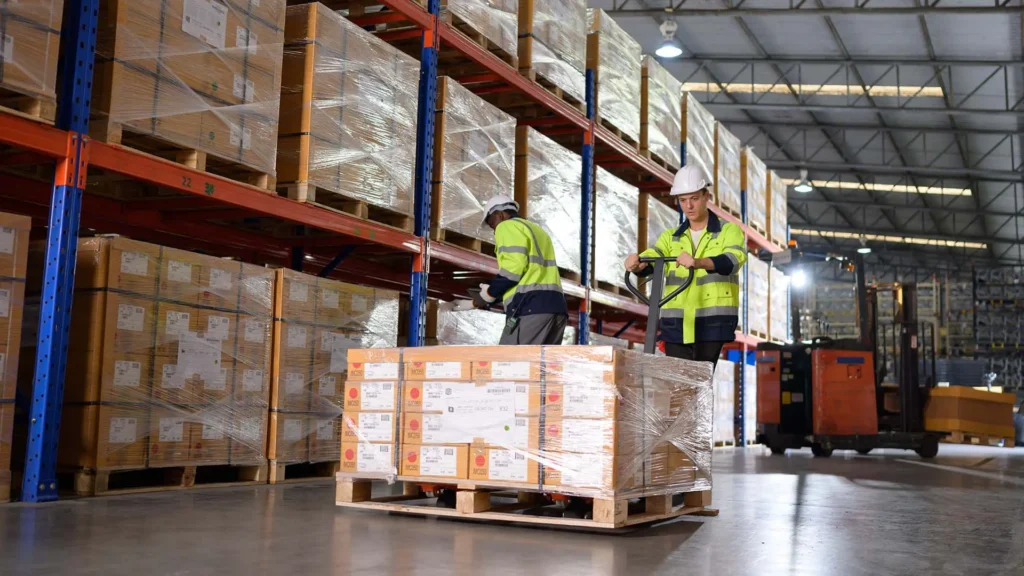
A shipping day can look fine first thing in the morning. Orders are booked, pickups are lined up, and tracking numbers are in place. Then one load stops updating. A driver is running behind. A customer asks for an ETA, and nobody has a clean answer yet.
That is where live shipment tracking matters. Not because someone wants another dashboard. It matters because freight problems often cost more when the team finds out late.
For high-volume shippers, one quiet update can turn into a full chain of work. Customer service starts asking operations. Operations start calling carriers. The dock may need to change the plan. A receiver may need a new appointment. The load itself may only be delayed by a few hours, but the pressure around it can spread fast.
Why Live Shipment Tracking Matters
When shipment volume is low, manual tracking can still get by. Someone checks a carrier portal, sends an email, makes a call, and updates the customer. It is not ideal, but it works well enough.
That changes when the shipment count grows. Now there are more carriers, more lanes, more delivery windows, and more people waiting on updates. The work becomes less about checking freight and more about chasing answers.
That problem is common across the industry. Tive’s 2024 State of Visibility report found that only 24% of respondents had visibility into 75% to 100% of their shipments, while 45% had visibility into less than half. That lines up with what many shipping teams feel every day. Freight may be moving, but the team may not have the full picture.
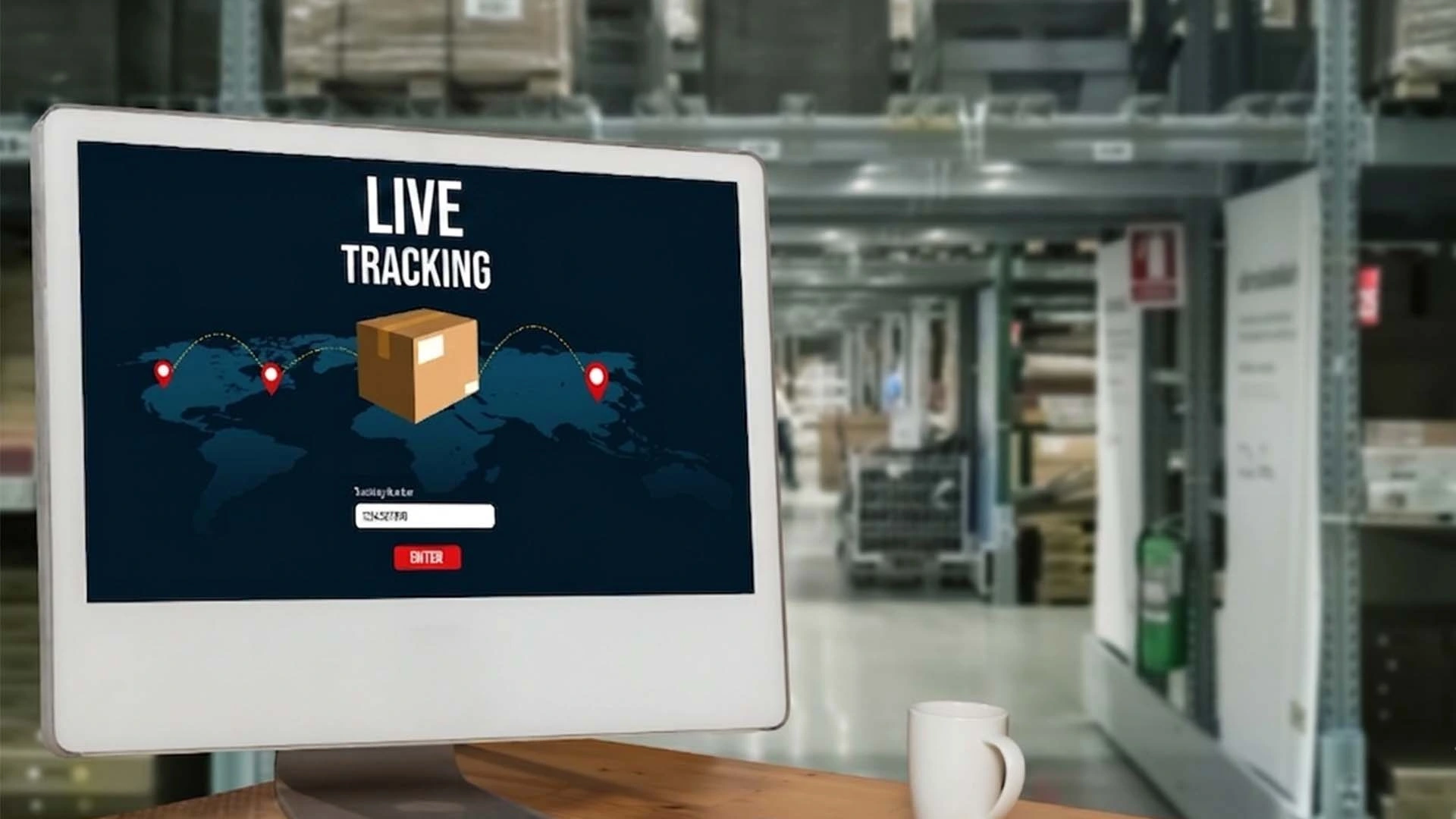
Better freight visibility gives a shipper a working view of what is normal and what needs attention. A live tracking shipment process helps the team see which loads are still on track and which ones may need a call, a customer update, or a delivery change.
When Tracking Updates Come Too Late
Most shippers already have tracking numbers, but the issue is timing. A tracking number does not help much if the update comes after the customer has already called. A missed pickup may not show up until the dock team has moved on. A late truck may not stand out until the delivery window is almost gone. A shipment may sit at a terminal while everyone still assumes it is on schedule.
Delayed tracking updates create extra work. Someone has to check the portal again. Someone else calls the carrier. Then the same update has to be passed to customer service, the receiver, and sometimes the sales team.
In freight, time matters. If a delay is caught early, there may still be options. The appointment can be adjusted. The receiver can be warned, and the customer can get a straight answer before they have to chase one. If the issue is found too late, everyone is already reacting.
That is why many shippers look for real-time tracking tools that can surface delays earlier The point is not only seeing where the load is. The point is catching the issue while there is still time to do something useful.
Where Basic Tracking Falls Short
Basic tracking can tell you a shipment was scanned, loaded, or delivered. That helps, but it does not always tell you what you need to know during the day. When freight moves across multiple carriers, carrier-agnostic tracking makes updates easier to follow without jumping between portals.
The real question is usually simple. Is this load still okay, or is it about to cause a problem? At higher volume, that gets harder to answer. One carrier updates right away. Another scan comes in late. One load has a clean ETA. Another has not moved in hours. When someone has to check all of that by hand, the wrong shipment can get attention first.
High-volume shippers need stronger shipment visibility so normal freight and problem freight are easier to separate. LTL, truckload, final mile, and container moves may all need to be watched in one place. The same visibility problem shows up across truck, forwarder, and container moves: shippers need fewer blind spots between handoffs.
How Live Shipment Tracking Helps Teams Act
Tracking will not prevent every delay. It will not fix traffic, weather, closed docks, or every carrier issue. Its value is in giving people more time to respond.
With real-time shipment tracking, a shipper can call the carrier sooner, update the customer earlier, change a delivery appointment, or prepare the receiver before the load arrives late. That is a much better position than explaining the problem after the window has already been missed.
This is also where practical exception management matters. A missed pickup is not the same as a late terminal scan. A tight appointment is not the same as a load that stopped moving. Each issue needs a different response.
Clear tracking also helps with carrier performance. When the same problem keeps showing up, the shipper can have a real conversation with the carrier. Not based on guesswork. Based on what happened.
For high-volume operations, the real time tracking of shipments is most useful when it helps people decide the next step faster. A late update should not sit unnoticed. It should lead to a call, a customer note, a dock update, or a backup plan.
What High-Volume Shippers Should Look For
A tracking process should make the day easier, not give the shipping desk another screen to babysit. The information needs to be clear enough to help someone make the next move.
High-volume shippers should look for:
- Live shipment status
- Clear exception alerts
- Strong carrier coverage
- Easy customer updates
- Human freight support
- Clean communication
One of the best practices for selecting a real-time shipment tracking provider is to look beyond the map. Ask what happens when a load stops moving, a pickup is missed, or a customer needs an answer fast. The right setup should support the team to act, not just show another update.
For some freight, tracking sensors and live data feeds may also help, especially with high-value, time-sensitive, or container moves. However, even advanced sensor and live-data tools only matter if someone knows how to use the information. This is where InstiCo Logistics fits naturally, with real-time tracking, upfront communication, and hands-on freight support that helps shippers respond before small issues grow.
Conclusion
For high-volume shippers, the problem is not only a late shipment. The bigger issue is how soon the right people know and what happens after that.
That is why live shipment tracking belongs in the daily freight process. It helps catch problems earlier, reduce surprise delays, and keep freight communication cleaner. InstiCo Logistics helps shippers connect tracking, communication, and freight support so small issues do not turn into bigger business problems.
FAQs
Why is live shipment tracking important?
Live shipment tracking helps shippers catch delays earlier and update customers before small freight issues grow.
Is live shipment tracking better than basic tracking?
Not necessarily. Basic tracking can be enough for some operations; real-time tracking becomes more useful when teams need to respond while freight is still moving.
What should high-volume shippers check first?
High-volume shippers should check for clear alerts, carrier coverage, live status, and real freight support.