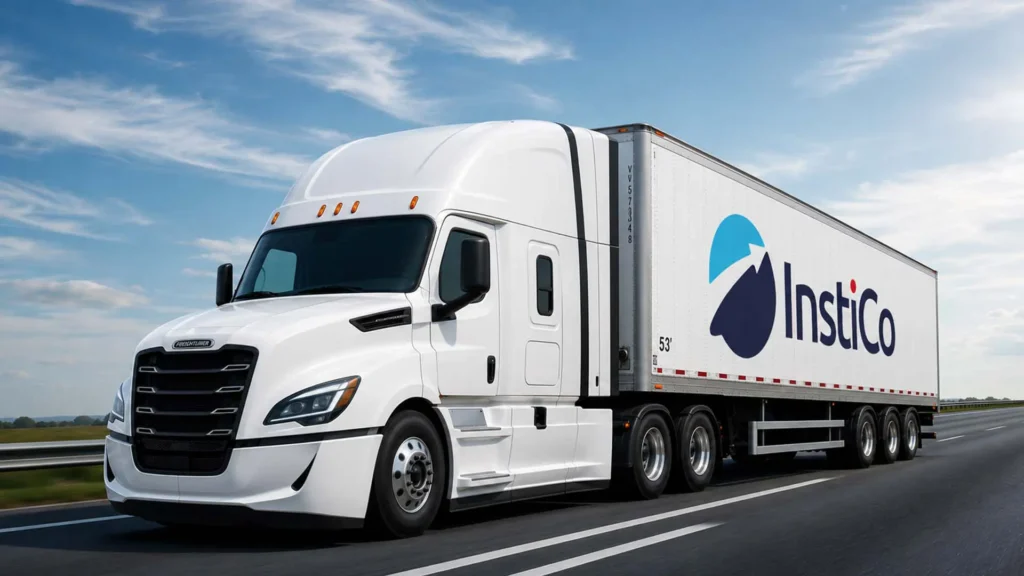
Growth feels exciting until your delivery operation starts getting harder to manage. First, the signs are easy to dismiss, and there are a few more late deliveries, one vehicle unavailable longer than expected, and customer complaints that seem unrelated. A regional manager is asking for more support. None of that immediately looks like a fleet problem.
As delivery brands expand, what usually breaks first is not demand, but it is the system supporting that demand. Vehicles, maintenance schedules, routing visibility, driver coordination, and small inefficiencies that were minor at one stage suddenly become operational bottlenecks.
That is why choosing the right fleet services matters so much during growth. They help delivery brands scale with better uptime, stronger visibility, and fewer operational surprises.
What Are Fleet Services?
“Fleet services” means the systems, tools, and support functions that help businesses manage commercial vehicles efficiently. Before comparing providers, it helps to define what fleet services actually include, such as repairs, vehicle tracking, and many more.
That often includes:
- fleet maintenance service
- vehicle leasing and replacement
- fuel management
- telematics and tracking
- compliance support
- driver coordination
- dispatch support
- route planning

For delivery businesses, these services sit behind every successful order. When they work well, operations feel smooth, and when they do not, delays and costs start showing up quickly. That is why scaling brands eventually stop viewing fleet support as a back-office function, and it becomes part of the growth strategy.
Why Expanding Delivery Brands Need Reliable Fleet Services
Growth creates operational pressure in ways many teams do not anticipate. A business managing 20 vehicles in one city can often rely on manual oversight and quick decisions. That same business operating 100 vehicles across several regions cannot, and this is usually when problems begin.
A delayed repair affects multiple routes, and there is a missing vehicle that creates service gaps. Fuel costs start climbing without a clear explanation, and teams in different cities begin solving the same problem differently. That creates inconsistency, and here reliable quality fleet service helps eliminate that drift.
It gives expanding brands:
- more predictable delivery performance
- better control over operating costs
- stronger visibility across locations
- less reactive decision-making
This matters because customer expectations rise as businesses grow. Late deliveries that were once tolerated become reputation risks.
Types of Fleet Services Available Today
Not every delivery business needs the same support model. The right service depends on where operational pressure is building.
Fleet maintenance service
This is often the first need when the vehicle is spending too much time off the road, as the maintenance is usually the issue. And here, strong maintenance support helps reduce breakdowns and protect uptime.
Vehicle leasing and management
Some businesses grow faster than they can purchase vehicles. Leasing creates flexibility, and it allows teams to expand capacity without heavy capital investment.
Fuel management solutions
Fuel is one of the highest hidden costs in delivery operations, and without tracking, waste builds quietly. Fuel programs help operators control that.
Telematics and tracking services
Once fleets spread across locations, visibility becomes essential.
Tracking tools help operators see:
- where vehicles are
- how they are performing
- where delays begin
That kind of visibility helps teams make faster and better decisions.
Fleet Maintenance Service Keeping Operations Running Smoothly
Maintenance is often treated as a repair issue, and it is too narrow. For growing delivery brands, maintenance is really an uptime issue. Most companies begin with reactive maintenance. Something breaks, and it gets fixed, which works for a while, but then expansion happens.
Now one breakdown delays multiple deliveries. One missed inspection affects an entire route schedule, and this is when preventive maintenance becomes essential. Instead of waiting for problems, operators schedule around them.
That includes:
- regular inspections
- tire management
- oil and fluid checks
- predictive repair planning
The message from the Federal Motor Carrier Safety Administration is as simple as that: when vehicle condition slips, both safety and reliability suffer. That is true whether you run 10 vehicles or 1,000. For delivery brands, it usually means one thing, and that means fewer surprises.
Best Services for Multi-Location Fleet Control
Managing a fleet across multiple cities gets harder fast. Visibility drops, teams start working differently, and small gaps turn into bigger problems.
That is where the best services for multi-location device fleet control help. They bring everything under one system, so growing delivery brands can manage multiple locations more efficiently.
Centralized monitoring
Once operations spread, it gets harder to see the full picture. A centralized dashboard puts vehicles, routes, maintenance, and alerts in one place, so teams can spot issues faster.
Real-time tracking
Real-time tracking helps teams see what is happening right now, not hours later. That means faster decisions when delays, route issues, or vehicle problems happen.
Standardized operations
Growth becomes messy when every location follows a different process. Standardized operations keep teams aligned and help deliver a more consistent customer experience.
Key Features of Quality Fleet Service Providers
Not every provider can support a growing delivery business. Some work well now but struggle as operations scale. That is why it helps to look for partners built for long-term growth.
Strong technology integration
Good technology should fit into your existing systems and make daily work easier. If systems do not connect, teams end up doing more manual work, and mistakes start building up.
Reliable service coverage
As your business expands, your provider should already have support in those regions. That includes maintenance, replacement support, and quick local response.
Flexible service models
Growth changes constantly, and your fleet partner should be able to adapt with it. A rigid service model usually becomes a problem later.
Clear accountability
When something goes wrong, responsibility should be clear. A strong fleet partner communicates quickly and takes ownership of the issue.
American Fleet Services and Global Market Insights
Many delivery brands study American fleet service providers because the U.S. market has historically moved faster in fleet innovation.
That includes:
- telematics adoption
- predictive maintenance
- route intelligence
- centralized fleet platforms
Those trends now influence global operations. Across markets, fleet management is becoming more connected and more data-driven.
Following the Intelligent Transportation Systems (ITS) program, smarter transportation systems and operational visibility remain central priorities across commercial mobility sectors. That shift is shaping how delivery businesses scale worldwide.
All Fleet Services Under One Platform Benefits
At certain points, too many tools become a problem. As an example, one platform tracks vehicles, another handles maintenance, a third manages fuel, and a fourth monitors drivers. Now teams spend more time switching systems than solving the problems. That is why many operators are moving toward platforms offering all fleet services in one place, and the biggest benefit is clarity.
A unified platform gives teams:
- faster decisions
- cleaner reporting
- fewer missed issues
- stronger coordination
That becomes increasingly valuable as operations grow.
How to Choose the Best One Fleet Service for Your Business
Choosing the best one-fleet service starts with knowing where your biggest problem is. Not every delivery business needs the same kind of support.
Maybe it is downtime, and maybe it is poor visibility, maintenance issues, or the pressure of expansion. Once that is clear, choosing the right provider becomes much easier.
Service coverage
Look beyond where the provider works today. Think about where your business is going next. A good fleet partner should be able to support your growth without creating service gaps.
Technology
A system only works if your team actually uses it. If it feels too complicated, people usually go back to spreadsheets and manual updates.
Support responsiveness
Fleet issues do not wait for the right time. When something goes wrong, fast support matters just as much as the solution itself.
Long-term fit
A provider may fit your business today but not six months from now. The best one fleet service should grow with your business, not hold it back later.
And one thing many operators learn over time is that the cheapest option at the start often costs more later.
Common Challenges in Fleet Management
Every growing delivery business runs into fleet issues at some point. It is not usually a sudden failure, which means it is a slow build-up of small inefficiencies that become noticeable only when operations start feeling less stable. Even strong operations teams face recurring fleet challenges.
The most common include:
- rising fuel costs
- vehicle downtime
- driver shortages
- poor real-time visibility
- scaling inefficiencies
What makes these difficult is that they rarely appear all at once. They build quietly, and so experienced operators watch fleet performance closely before problems become visible to customers.
Conclusion
Scaling delivery operations successfully is not just about adding more vehicles or entering new markets. It is about building systems that can support that growth, which is what separates growth from scalable growth. Brands that invest in stronger fleet systems early usually avoid the expensive operational problems others spend years fixing.
The right fleet services help delivery brands improve reliability, control costs, and maintain service quality as operations become more complex. For delivery companies planning their next stage, that makes fleet strategy more than an operational decision. It becomes a growth decision and one worth getting right with the support of experienced partners like Instico Logistics.
FAQs
What documents are required for air freight shipping?
The most critical document is the Air Waybill (AWB), which acts as a receipt and a contract. You will also need a Commercial Invoice, a Packing List, and potentially a Certificate of Origin depending on the destination.
Is air freight suitable for perishable or fragile goods?
Yes, it is the preferred method for these items. The shorter transit time reduces the risk of spoilage for perishables, and the reduced handling compared to sea shipping makes it safer for fragile items.
Is air freight more expensive than sea or road shipping?
Generally, yes. Air freight charges are higher because of fuel costs and the limited capacity of aircraft. However, you can often save money on insurance and warehousing, which offsets some of the initial costs.
What is the difference between air cargo and air courier services?
Air courier is typically “door-to-door” and handles smaller parcels with all-in-one pricing. Air cargo is usually “airport-to-airport” for larger shipments and requires a freight forwarder to manage the “last mile” and customs.
Can small businesses use air freight services?
Absolutely. Many small businesses use air freight to maintain low inventory levels and respond quickly to customer demand without needing a massive warehouse.