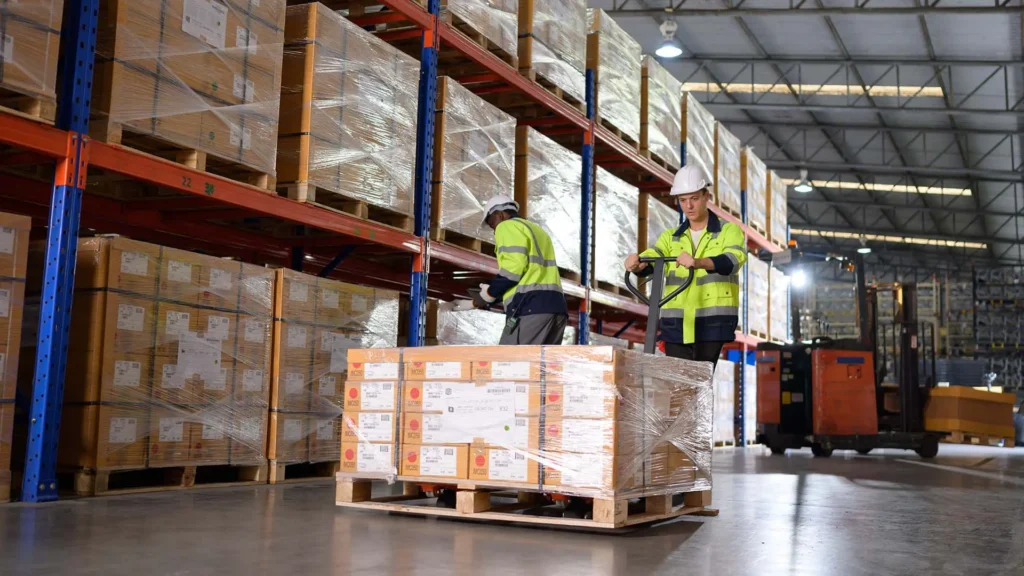
A truck is loaded at the dock. Paperwork is ready. Everyone is waiting on confirmation that it’s rolling out on time. Then suddenly the message comes in, and that is carrier delay, no available driver, and the reschedule is pushed to tomorrow. And just like that, the entire plan shifts.
This is not unusual in logistics anymore. It’s normal when businesses depend on shared carriers with no guaranteed capacity.
That’s where dedicated fleet services quietly change things. Not by making transportation “faster,” but by removing the uncertainty that causes most delays in the first place. If you look closely, most shipping problems don’t start on the road. They start much earlier in planning, allocation, and availability.
And that’s exactly what this breaks down.
What Are Dedicated Fleet Services?
Before we proceed any further, we need to clarify what this actually means in practice.
Dedicated fleet service is when a logistics provider assigns specific trucks, drivers, and dispatch support only to your business. Your shipments don’t compete with other companies’ loads. The setup is fixed around your schedule, not daily market availability.
So instead of asking, “Who is available today?” the system already knows which assets are yours.
In real operations, this usually sits between two extremes:
- spot market trucking, where everything changes daily
- private fleet ownership, where everything is fully controlled but expensive
Dedicated fleets sit in the middle, structured, but without the capital burden of owning assets.

You’ll usually see this in retail distribution, automotive supply chains, food delivery networks, and pharma logistics, basically anywhere timing actually matters, not just movement.
Why Shipping Delays Keep Repeating in Traditional Logistics
If you’ve worked in operations, this part probably feels familiar. Delays rarely come from one big failure. It’s usually small breakdowns stacking up.
And when you break it down operationally, it usually looks like this:
- Capacity isn’t available when needed, especially during peak demand.
- Routes are fixed, even when real-world conditions change.
- Multiple carrier handoffs create gaps in responsibility.
- Visibility is low until the shipment is already late.
And once one link breaks, everything behind it shifts.
BTS freight analysis data highlights variability in freight movement across U.S. corridors driven by congestion patterns and uneven capacity distribution.
Here’s how it plays out in real life. A manufacturer schedules a just-in-time shipment. Everything is confirmed. Production depends on it. Then the carrier reallocates the truck to a higher-value load.
No warning reaches dispatch in time. No backup plan. From a system perspective, it’s not a “delay.” It’s a chain reaction.
How Dedicated Fleet Services Can Reduce Delays
This is where things start to shift. Because dedicated fleet services don’t try to fix delays after they happen, they reduce the chances of them happening in the first place.
Here’s how that plays out in real operations:
Capacity is reserved, not requested
Trucks aren’t sourced daily, but they’re allocated to your lanes in advance. That alone removes one of the biggest instability points in freight planning.
Routes are built around your network
Instead of adjusting routes based on availability, the system is designed around repeat movement patterns.
The U.S. Department of Transportation has consistently highlighted how freight efficiency depends heavily on asset utilization and predictable routing rather than reactive scheduling.
Drivers stay consistent
Drivers change, too, but not constantly. Same docks, same loading process. Over time, they stop hesitating, stop asking, and just move through the workflow.
Schedules become predictable
Delivery timing aligns with your warehouse flow, not external carrier timing.
We’ve seen operations teams describe this change in a very simple way, and that is, they stop “chasing trucks” every morning and start actually planning work again.
And that alone fixes more downstream issues than most reports even track.
Why dedicated fleet dispatch services matter more than most people realize
Many of the real improvements don’t come from trucks. It comes from dispatch. Especially with strong, dedicated fleet dispatch services, you’re not waiting for problems to escalate.
You’re working with a team that’s actively:
- tracking shipments in real time
- adjusting routes before delays spread
- communicating with receivers early
- coordinating pickup and delivery windows continuously
Here’s a simple situation. A truck hits a road closure 40 miles out. In a standard setup, the driver reports it and waits, then everything slows down while decisions get made.
In a dedicated setup, dispatch may already be rerouting before the driver even stops moving. The receiver is informed early, and what could have been a missed delivery becomes a minor adjustment. And that control is what prevents small issues from turning into chain reactions.
Modern systems often support this with live tracking tools, but the real difference is still human coordination tied to your operation, not a generic call center reacting late.
What Businesses May Gain From a Dedicated Fleet Model
The interesting part is that companies rarely describe the first benefit as “faster shipping.” It’s usually something like, “Things just stopped breaking every day.”
One automotive supply chain case referenced in FreightWaves industry coverage showed reduced disruption levels and lower emergency freight dependency after shifting to a dedicated fleet model.
But beyond numbers, the operational shift is clearer:
- fewer last-minute escalations
- more stable production planning
- less dependence on emergency carriers
- better alignment between warehouse and transport teams
And something that’s often overlooked, teams regain time.
Time that was previously spent checking shipment status, chasing updates, or fixing avoidable delays. That alone changes how operations run day to day.
When Dedicated Fleet Services Make Sense
This is where businesses usually pause, and honestly, they should. Because dedicated fleet services are not for everyone.
They start making sense when:
- Routes are repeatable week after week.
- The shipping volume is stable or predictable.
- Late deliveries have a real financial impact.
- Seasonal spikes consistently create capacity issues.
For seasonal businesses, especially retail and distribution, this becomes even more relevant. Planning with dedicated fleet services for seasonal peak shipping needs avoids the yearly scramble for trucks when the market tightens.
But if your freight is irregular or highly unpredictable, locking into a fully dedicated model might not be the right move. A hybrid setup often works better.
Some companies also look for people who often search for local dedicated trucking options, but location doesn’t matter as much as whether they really have capacity on your lanes.
And increasingly, providers now include the best dedicated fleet management software integrated services, which give visibility into routes, performance, and scheduling without building internal systems. Still, tools alone don’t solve delays. Structure does.
Conclusion: It’s not about speed, it’s about stability
Go back to that dock. Truck loaded, timer running, carrier uncertain. That’s the reality many businesses still operate in every day. Here, dedicated fleet services don’t fix that by making trucks faster. They fix it by making transportation predictable enough that delays stop being a daily surprise.
And once that unpredictability is removed, everything around it, planning, production, and delivery, starts working more smoothly, too. Not perfectly, but just consistently. And in logistics, consistency is usually what businesses are actually trying to buy.
FAQs
What documents are required for air freight shipping?
The most critical document is the Air Waybill (AWB), which acts as a receipt and a contract. You will also need a Commercial Invoice, a Packing List, and potentially a Certificate of Origin depending on the destination.
Is air freight suitable for perishable or fragile goods?
Yes, it is the preferred method for these items. The shorter transit time reduces the risk of spoilage for perishables, and the reduced handling compared to sea shipping makes it safer for fragile items.
Is air freight more expensive than sea or road shipping?
Generally, yes. Air freight charges are higher because of fuel costs and the limited capacity of aircraft. However, you can often save money on insurance and warehousing, which offsets some of the initial costs.
What is the difference between air cargo and air courier services?
Air courier is typically “door-to-door” and handles smaller parcels with all-in-one pricing. Air cargo is usually “airport-to-airport” for larger shipments and requires a freight forwarder to manage the “last mile” and customs.
Can small businesses use air freight services?
Absolutely. Many small businesses use air freight to maintain low inventory levels and respond quickly to customer demand without needing a massive warehouse.