You usually don’t notice supply chain costs going up right away. It happens slowly. Shipping starts costing a little more. Storage gets expensive. Small operational issues start showing up more often. Then one day, you look at the numbers and realize things are costing more than they should.
That’s often when third party logistics companies start coming into the conversation. Just not because anything is broken, but because managing everything in-house starts feeling heavier than it used to.
But before we talk about cost savings, it makes sense to start with the basics. What these companies actually do in the first place.
What Are Third-Party Logistics Companies?
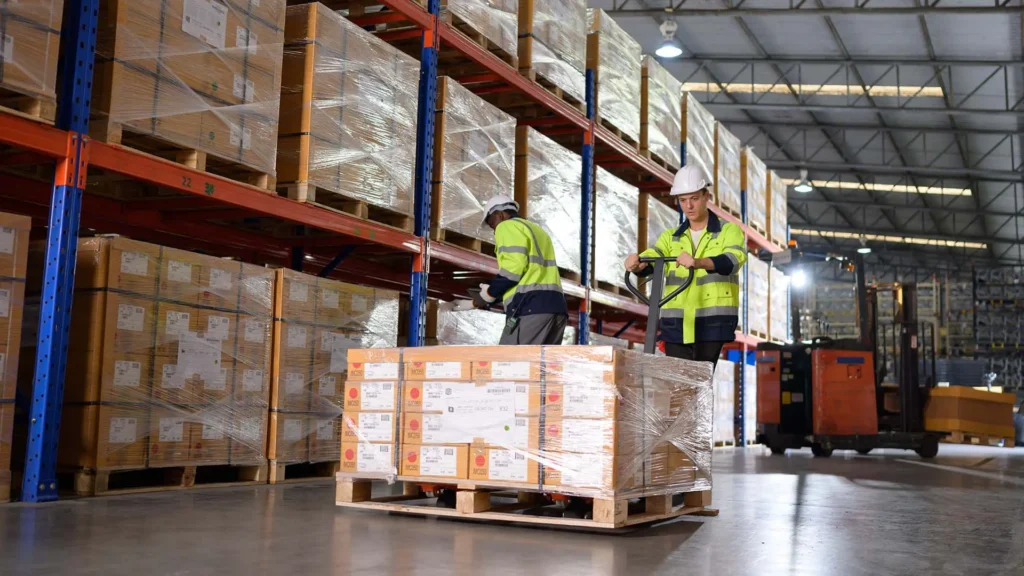
In reality, a third party logistics company is basically a partner that takes over the parts of your supply chain, sometimes from everything alike, from storage to delivery. So instead of a business managing its own warehouse, staff, and shipping setup, it plugs into an external logistics system that already exists.
This includes:
- warehousing and storage
- order packing and fulfillment
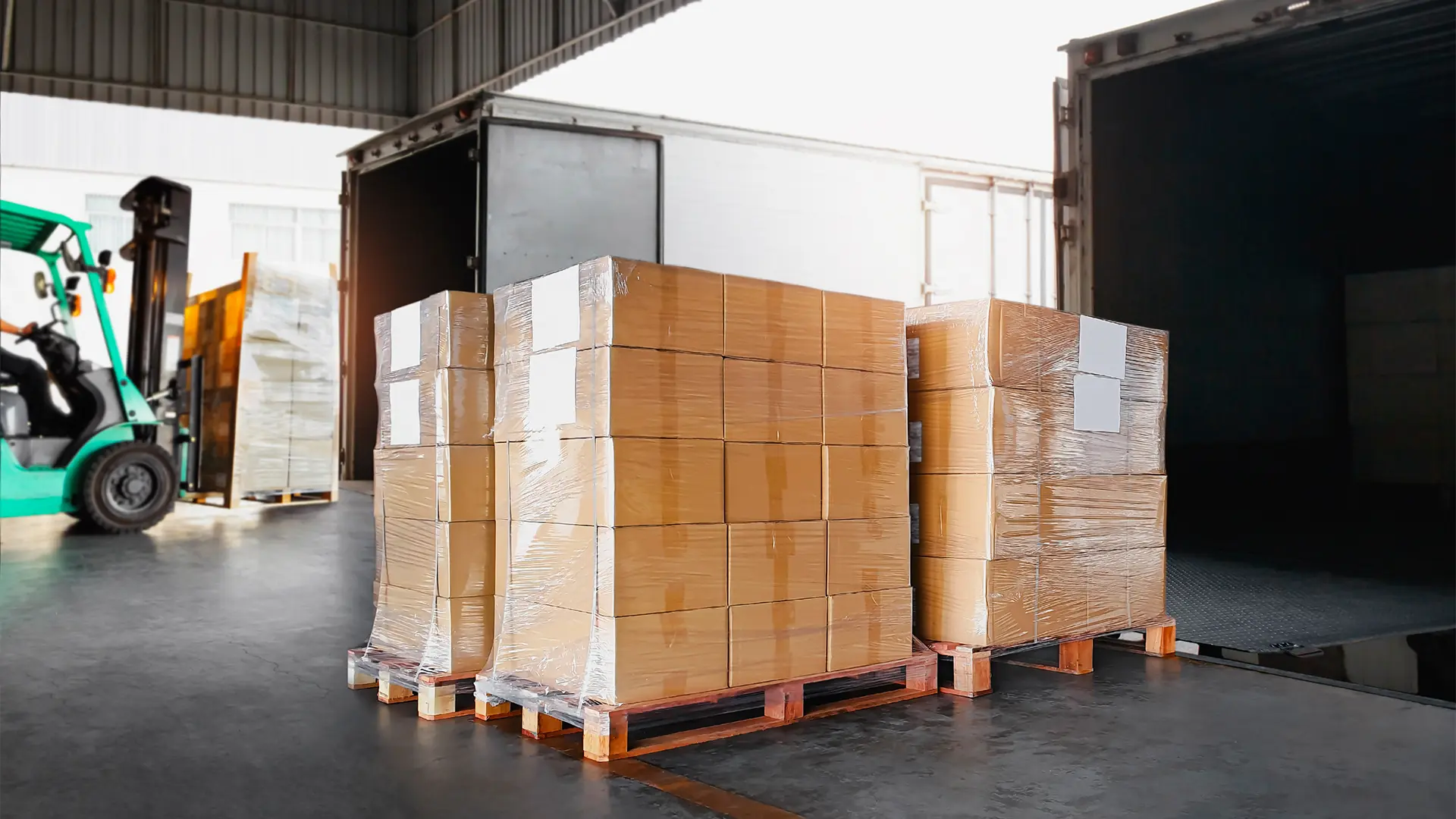
- transportation and shipping
- returns handling
It’s the coordination across the entire movement of goods. And in real operations, that coordination matters more than most people realize.
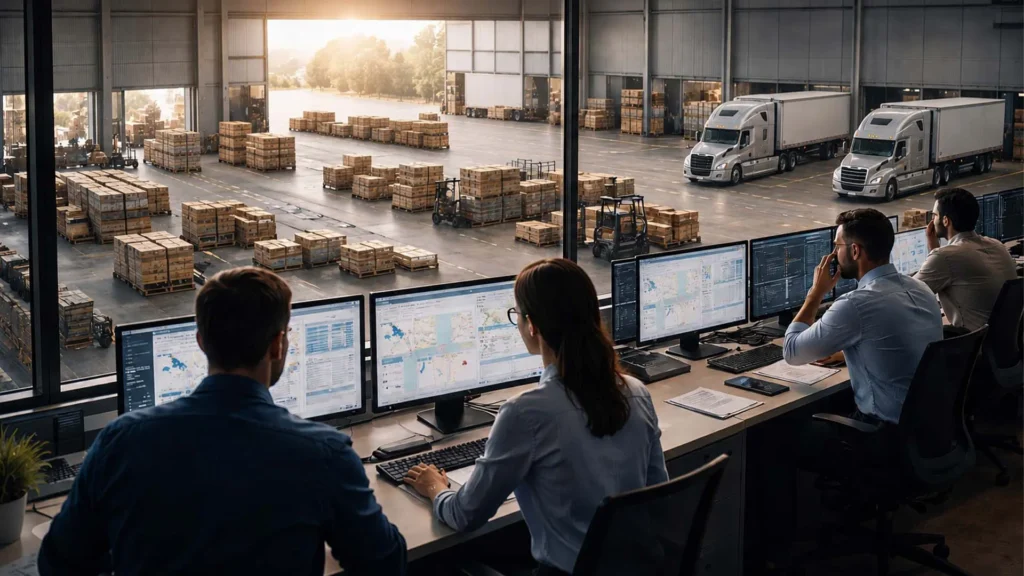
When systems are scattered across different vendors or internal teams, delays start showing up in small ways, such as missed dispatch windows, inventory mismatch, or even just poor visibility.
The Role of a Third-Party Logistics Company in Supply Chains
The role of a third party logistics company becomes clearer when you look at how supply chains actually run on the ground. Most businesses don’t struggle because of one big issue. It’s usually many small inefficiencies stacking together.
A national third-party logistics company can decrease that friction by distributing operations to multiple fulfillment points instead of a single central warehouse. That alone changes the speed and cost of moving goods. It also helps businesses grow without having to rebuild infrastructure every time there is an increase in demand.
How 3PL Companies Reduce Supply Chain Costs
This is how things start making real sense. A top third party logistics company doesn’t just reduce cost in one area; it reduces it across multiple layers.
Economies of scale
When thousands of shipments move through the same network, carriers offer better rates. That’s something a single business can’t negotiate alone.
Optimized transportation networks
Instead of random shipping routes, deliveries are grouped and routed through structured systems. Fewer empty trucks, fewer wasted miles.
Reduced warehousing expenses
Warehouses are expensive to run, including rent, utilities, staffing, and maintenance. With the best third party logistics companies set up, businesses only pay for what they actually use.
Lower operational overhead
There’s also a hidden cost most people forget: management time. Internal logistics needs constant attention. Outsourcing reduces that load.
Source insight: According to the World Bank’s Logistics Performance Index, stronger trade and transport infrastructure directly improves shipment reliability and overall supply chain efficiency.
Third-Party Logistics Companies Pricing Explained
Now this is where most people get confused. Third-party logistics companies pricing is not a single fixed number. It usually changes based on usage.
Common components include:
- storage charges
- pick and pack fees
- shipping rates
- handling or packaging add-ons
What matters more than price itself is structure. Because logistics cost is not just what you pay per shipment, it’s how predictable those costs are when demand goes up or down.
Benefits of Working with Top Third-Party Logistics Companies
A top third party logistics company often delivers something businesses value just as much as savings: operational stability.
You start getting:
- better inventory tracking
- faster fulfillment cycles
- fewer shipping errors
- access to stronger carrier networks
And honestly, many of the businesses feel the biggest difference. Not just in cost, but in how smooth operations become.
Source insight: According to the U.S. Bureau of Transportation Statistics‘ Freight Facts and Figures, freight movement across the country continues to demand more efficient transportation and logistics systems as supply chains grow in scale and complexity.
National and Nationwide Third-Party Logistics Companies
A nationwide third party logistics company becomes important when a business stops operating in just one region. Instead of shipping everything from one point, inventory is distributed across multiple hubs.
That reduces distance, and distance is usually where cost hides in logistics. It also helps during peak demand. One warehouse can easily get overloaded. Multiple nodes reduce that risk naturally.
American Third-Party Logistics Companies Market Overview
The American third party logistics companies market is one of the most developed globally, shaped by strong infrastructure, advanced technology, and growing freight demand. That’s a big reason American logistics providers often lead in scale and operational efficiency.
You usually see:
- strong compliance systems
- advanced tracking tools
- high automation in warehouses
- integrated transportation networks
The U.S. logistics sector continues to expand with e-commerce growth and increasing the freight demand, which is pushing companies to adopt more efficient distribution models.
Best Third Party Logistics Companies What to Look For
Choosing the best third party logistics companies is not really about size or branding, but it’s more about fit.
You need to look at:
- how they handle your product type
- their warehouse locations
- system integration with your platform
- consistency during high-demand periods
A big provider is not always the right provider. That’s something many businesses realize a bit late.
For businesses working with logistics partners like Instico Logistics, this kind of operational flexibility often becomes one of the biggest long-term advantages.
How to Start a Third Party Logistics Company
The idea of how to start a third party logistics company sounds simple on paper, but it’s operationally heavy.
Getting started usually means putting a few core pieces in place first:
- warehouse infrastructure or partnerships
- transportation contracts
- tracking and management systems
- compliance knowledge
- workforce planning
Most early-stage logistics companies struggle not with demand, but with coordination between systems.
In practice, most logistics savings don’t come from lower freight rates only, but they come from fixing the inefficiencies businesses stopped noticing internally.
Common Challenges When Using 3PL Services
At some point, managing logistics in-house can just start feeling like too much. Bringing in a 3PL can take that pressure off, but it helps to go in knowing that it won’t solve everything overnight, and there can be a few challenges along the way.
Common issues include:
- less direct control over daily operations
- integration delays with internal systems
- communication gaps between teams
- dependency on external timelines
None of these are unusual, and they usually don’t become long-term problems. But they do need to be planned for early, especially during the transition phase.
Conclusion
At the end of the day, third party logistics companies don’t just reduce supply chain costs in a simple way. They change the structure of how those costs exist in the first place. Instead of fixed expenses sitting idle, costs start moving with actual business activity.
And that shift, more than anything else, is what makes modern supply chains more flexible, especially for growing businesses that don’t want logistics to slow them down.
FAQs
What documents are required for air freight shipping?
The most critical document is the Air Waybill (AWB), which acts as a receipt and a contract. You will also need a Commercial Invoice, a Packing List, and potentially a Certificate of Origin depending on the destination.
Is air freight suitable for perishable or fragile goods?
Yes, it is the preferred method for these items. The shorter transit time reduces the risk of spoilage for perishables, and the reduced handling compared to sea shipping makes it safer for fragile items.
Is air freight more expensive than sea or road shipping?
Generally, yes. Air freight charges are higher because of fuel costs and the limited capacity of aircraft. However, you can often save money on insurance and warehousing, which offsets some of the initial costs.
What is the difference between air cargo and air courier services?
Air courier is typically “door-to-door” and handles smaller parcels with all-in-one pricing. Air cargo is usually “airport-to-airport” for larger shipments and requires a freight forwarder to manage the “last mile” and customs.
Can small businesses use air freight services?
Absolutely. Many small businesses use air freight to maintain low inventory levels and respond quickly to customer demand without needing a massive warehouse.