InstiCo Logistics

Table of Contents

Abstract

Air cargo shipping helps move goods quickly between countries. It plays a key role in how businesses handle international trade today. In this paper, we take a closer look at how air cargo actually works, why it has become more important over time, and what affects its cost and performance.

We also go over the different types of air cargo and how they stack up against ocean freight. But more importantly, we look at what actually happens on the ground.

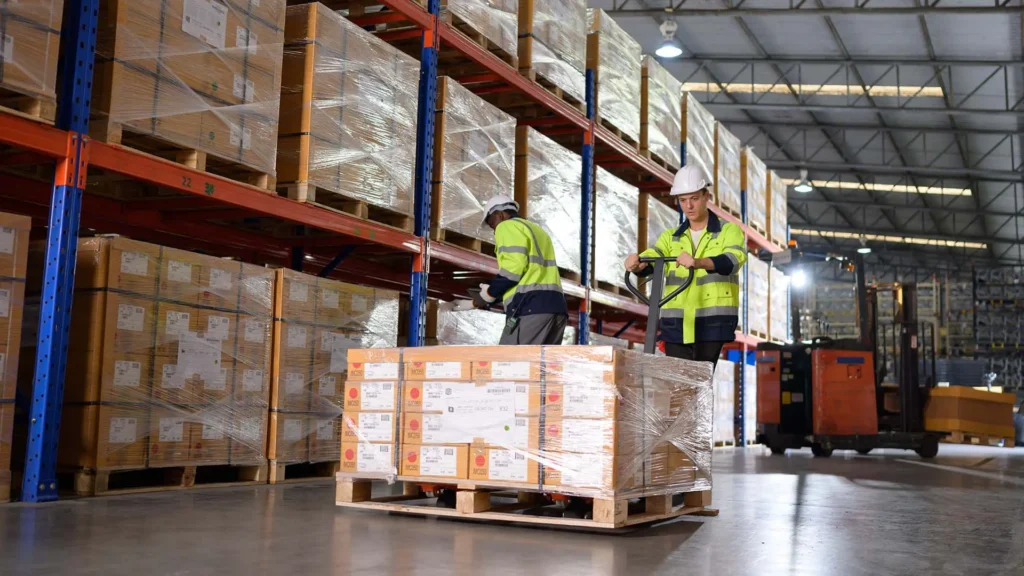
Shipments don’t always go as planned. There can be gaps in coordination, limited visibility into the cargo’s location, or delays when it moves from one team to another. And these are the things that usually affect delivery timelines and final outcomes.

Based on recent industry data and trends, this paper explains how air cargo supports time-sensitive supply chains and what it takes to execute it effectively in day-to-day operations.

Executive Summary

Speed now defines global trade. Businesses must deliver faster, respond quickly to disruptions, and operate with lean inventory.

Air cargo shipping plays a key role in enabling this shift. It offers speed and reliability that other modes cannot match.

While air freight carries less than 1% of global trade volume, it accounts for around one-third of global trade by value, as per the International Air Transport Association. This reflects its importance for high-value and time-sensitive goods.

Demand is also evolving. Growth in air cargo today is largely linked to rising e-commerce demand, the need for faster restocking, and ongoing uncertainty in supply chains.

That being said, speed on its own does not always lead to better outcomes. What really matters is how well the shipment is handled at each step. Delays usually happen when shipments move from one stage to another. It could be at customs, during airport handling, or even at the final delivery step.

This paper goes beyond just explaining how air cargo works. It looks at what actually makes it work well in day-to-day operations. In most cases, it comes down to better visibility, clear coordination, and proper planning.

Introduction

Global trade today goes beyond simply moving goods. It is about moving them at the right time, with minimal disruption.

Supply chains today operate under constant pressure. E-commerce has raised delivery expectations. Manufacturing cycles are shorter. Disruptions have become more frequent. In this environment, speed is a competitive advantage. But speed without control creates risk.

Air cargo shipping is no longer used only for urgent shipments. It is now part of broader logistics strategies. Businesses use it to respond faster, reduce uncertainty, and maintain continuity. The real question is no longer whether to use air cargo. It is how to execute it effectively.

What is Air Cargo Shipping and How Does It Work?

At a basic level, air cargo shipping is about moving goods by aircraft. This can be through dedicated cargo planes or the cargo space in passenger flights. It may sound simple, but a lot is happening behind the scenes.

A typical shipment goes through several steps. It starts with pickup and packaging, then moves to airport handling, customs clearance, and finally reaches its destination. Each step follows a tight schedule, so even small delays can cause issues.

What sets air freight apart is not just speed, but how precise everything needs to be. Take a pharmaceutical shipment, for example. It may need temperature-controlled packaging, priority handling, and constant monitoring throughout the journey. Even a minor delay or change in conditions can impact the quality of the product.

This level of control and coordination is what allows air cargo to support industries where timing is critical.

Why Air Cargo Shipping is Essential for Global Trade

Despite carrying a small share of total cargo volume, air freight plays a disproportionately large role in global trade value. According to data published by IATA, air cargo accounts for around one-third of global trade by value, even though it represents less than 1% by volume.

This is because air cargo is typically used for goods that are high in value, sensitive in nature, or time-critical.

The rise of global e-commerce has further strengthened this role. International Trade Administration data indicates that global B2C e-commerce is expected to surpass $5.5 trillion, with cross-border transactions growing rapidly. Much of this growth depends on fast and reliable international delivery, something air cargo is uniquely positioned to support.

Take the example of electronics:

A delay in shipment can lead to missed product launches or lost sales. In healthcare, it can be even more critical. Getting medicines or vaccines on time can directly affect outcomes.

Even in everyday commerce, fast delivery is no longer a premium feature. It has become something customers simply expect. Businesses are increasingly relying on air cargo international shipping to meet these demands while keeping their operations agile.

Types of Air Cargo International Shipping

Air cargo is not one-size-fits-all. Different types of shipments require different levels of handling and urgency.

General Cargo

This includes everyday goods like consumer products, textiles, and electronics. These shipments usually follow standard processes and don’t need any special handling. They make up a large share of regular air cargo movement.

Express and Priority Freight

This comes into play when time is critical. These shipments are given priority and move through faster routes.

For example, e-commerce companies often use this to offer 2–5 day international delivery. Manufacturers also rely on it to ship urgent spare parts and avoid production delays.

Specialized Cargo

Some shipments need extra care and strict compliance. This is where specialized cargo comes in.

This includes items like fresh produce, seafood, and flowers that need controlled conditions. It also covers pharmaceuticals that require temperature control, as well as hazardous materials that must meet safety regulations.

This segment is growing steadily, especially with the rise of the healthcare and biotech industries.

Air Cargo vs Ship Cargo: Key Differences

If you put air cargo and ship cargo side by side, the first thing that comes to mind is speed. Air is obviously faster. But that’s not the whole story.

Air shipments usually move on fixed schedules, so things are more predictable. With sea freight, timelines can stretch. Ports get crowded, the weather can interfere, and delays are more common. A shipment that takes a month by sea can often be delivered within a few days by air.

Cost, however, tells a different story. Air cargo shipping rates are significantly higher, which makes it less suitable for bulk or low-value goods. This is why businesses often make a strategic choice, using ocean freight for scale and air freight for speed.

Capacity also plays a role. Ocean freight is built for volume, while air freight is optimized for efficiency and time-sensitive deliveries. Getting this balance right is important for selecting the right mode of transport.

Key Benefits of Air Freight Cargo Shipping

Air freight provides several advantages, making it a widely preferred option in modern supply chains. The most obvious is speed, but the impact goes beyond just faster delivery.

Shorter transit times allow businesses to operate with lower inventory levels, which improves cash flow and reduces storage costs. This is especially important in industries where products have short life cycles, such as electronics and fashion.

Reliability is another key benefit. Unlike ocean freight, which often runs into port congestion and delays, air cargo tends to follow tighter schedules. That makes it easier to predict delivery timelines.

It’s also more secure in many cases. Since shipments are handled less and move faster, the chances of damage or theft are lower.

For example, when a company launches a new electronic product, it can use air cargo to get inventory into different markets quickly. This not only ensures faster availability but also helps capture demand at the right time, something that slower shipping methods may not support effectively.

Factors Affecting Air Cargo Shipping Rates

Air cargo pricing is not always straightforward, and it often surprises businesses that are new to air freight.

One of the most important concepts is chargeable weight. Airlines calculate cost based on whichever is higher, actual weight or volumetric weight. This means that even lightweight shipments can become expensive if they occupy more space.

Distance also plays a clear role. Longer routes and less-connected destinations tend to increase costs, especially when multiple handling points are involved.

Fuel prices are another major factor. Since aviation fuel is a high operational cost, even small fluctuations in global fuel prices can directly impact shipping rates.

Finally, the nature of the cargo matters. Certain shipments require controlled handling, including temperature regulation or hazardous material compliance, which adds layers of complexity that reflect in the final pricing.

Air Cargo Shipping and Logistics Management

Behind every successful air cargo shipment is strong logistics coordination.

Compared to slower shipping methods, air freight runs on very tight timelines. Even small inefficiencies can lead to delays, which is why planning and coordination become so important.

Logistics teams have to stay in sync at every step. They need to keep clear communication between airlines, freight forwarders, customs, and warehouses to keep things moving smoothly. Documentation needs to be accurate, timelines must be aligned, and shipments should move seamlessly across each stage.

Increasingly, businesses are turning to digital tools and real-time tracking systems to improve visibility. With better data and visibility, companies can anticipate disruptions, respond faster, and maintain greater control over their supply chains, making air cargo operations more efficient and reliable.

Choosing the Right Air Freight Cargo Shipping Company

Working with the right partner can improve performance while helping control costs.

Key factors to consider:

Global network and route coverage

Experience with specific cargo types

Reliability and on-time delivery performance

Transparency in pricing and communication

A strong air freight cargo shipping company not only moves goods but also helps optimize logistics processes.

When to Choose Air Cargo Over Other Shipping Methods

Air cargo is the right choice when:

Delivery timelines are critical

Goods are high-value

Products are perishable or sensitive

Supply chain disruptions require a quick response

For instance, if a manufacturer faces a sudden shortage of critical components, air freight can prevent production delays and financial losses.

Tips to Optimize Air Cargo Shipping Costs

While air freight is expensive, businesses can manage costs effectively with the right strategies:

Consolidate shipments to improve cost efficiency

Plan shipments in advance to avoid premium rates

Compare air cargo shipping rates across providers

Use air freight selectively for high-priority goods

A balanced approach, using both air and ocean freight strategically, often delivers the best results.

Conclusion

Air cargo shipping is no longer just used for urgent deliveries. Over time, it has become a key part of how modern supply chains operate.

As global trade moves faster and becomes more unpredictable, businesses can’t rely on just one mode of transport. They need the flexibility to move goods quickly, respond to disruptions, and keep up with customer expectations. That’s where air freight plays an important role.

It does cost more than traditional shipping methods, but what you get in return is speed, reliability, and flexibility. For businesses working with tight timelines, air cargo is not just a quick fix. It becomes part of their overall strategy.

For companies trying to improve speed, reliability, and visibility, it’s not just about choosing the right shipping mode. It’s about how well everything is executed end-to-end.

Working with a logistics partner that understands coordination, real-time tracking, and operational control can make a measurable difference in performance.

References

  1. World Bank – Global Trade Data & Reports
    For insights on international trade volumes, trends, and the impact of logistics on trade efficiency.

  2. International Civil Aviation Organization (ICAO)
    For industry-level reports on air cargo operations, regulatory frameworks, and efficiency metrics.

  3. International Air Transport Association (IATA)
    For global air cargo statistics, trends, and industry insights.

  4. International Trade Administration (ITA)
    For international trade volumes and cross-border e-commerce trends.

  5. UNCTAD (United Nations Conference on Trade and Development)
    For research on cross-border trade, e-commerce logistics, and supply chain challenges.

    insights, Logistics Trends, & Industry newsletter

    Pick the Best Final Mile Delivery Partner for Your Business

    Rising delivery expectations in today’s market have made fast and reliable shipping a key business priority...

    Solving Cold Chain Logistics Problems in Perishable Freight

    Fresh goods require quick and efficient transportation. When shipping conditions are unfavorable, food, seafood, and medicine..

    Ocean Freight Management Best Practices for Efficient Shipping

    Reliable shipping systems are very important for trade around the world. Businesses looking to reduce shipping..

    Access the InstiCo Resources Library

    Strategic insights, case studies, and expert research.

    Unlock Logistics Intelligence

    Whitepapers, e-books, and proven client results.

    Explore Industry Resources

    Knowledge to streamline your supply chain.

    Subscribe to the InstiCo Newsletter

    Strategic insights, case studies, and expert research.

    Get Logistics Intelligence Delivered

    Whitepapers, e-books, and proven client results.

    Explore Industry Resources

    Knowledge to streamline your supply chain.

    Subscribe to our Newsletter