Fresh goods require quick and efficient transportation. When shipping conditions are unfavorable, food, seafood, and medicine may lose value within a short time. Even minor delays or slight temperature increases may lead to spoilage, waste, and dissatisfied customers. It is the reason why businesses should be aware of cold chain logistics problems before they become operational.
A good cold chain will ensure that products are safe during the pickup-to-delivery process. It helps safeguard quality, shelf life, and customer confidence and minimizes loss. The global cold chain market was valued at USD 371.08 billion in 2025 and is projected to reach USD 1,611.00 billion by 2033, according to Grand View Research. Better planning and smarter tools help move cargo with less risk.
What Are Cold Chain Logistics Problems?
Cold chain logistics are defined as the process of keeping goods in a particular temperature range. The products must not spoil or lose quality during transportation.
When the system breaks at any point, businesses face cold chain logistics problems. They can occur during warehousing, trucking, at ports, at airports, or at the end of deliveries.
The most frequent problems are delayed deliveries, inadequate temperature regulation, inappropriate packaging, and mishandling. A single failure will spoil an entire load. The perishable goods are time-sensitive, and businesses require powerful systems that operate daily.
Common Cold Chain Logistics Problems
There are a number of problems that may interfere with perishable deliveries. Some occur during storage, and others are in transit. Early identification assists businesses in minimizing losses and enhancing service quality.
Temperature Fluctuations
One of the largest causes of spoilage is a change in temperature. Frozen foods can be liquefied. Fruits may soften too soon. Dairy products can be contaminated. Such changes usually occur due to the excessive opening of doors on trailers, breakdowns of cooling units, and improper loading of products. Even brief exposure may be bad for quality.
Safe cold freight movement is impossible without reliable refrigeration systems.
Poor Handling and Storage
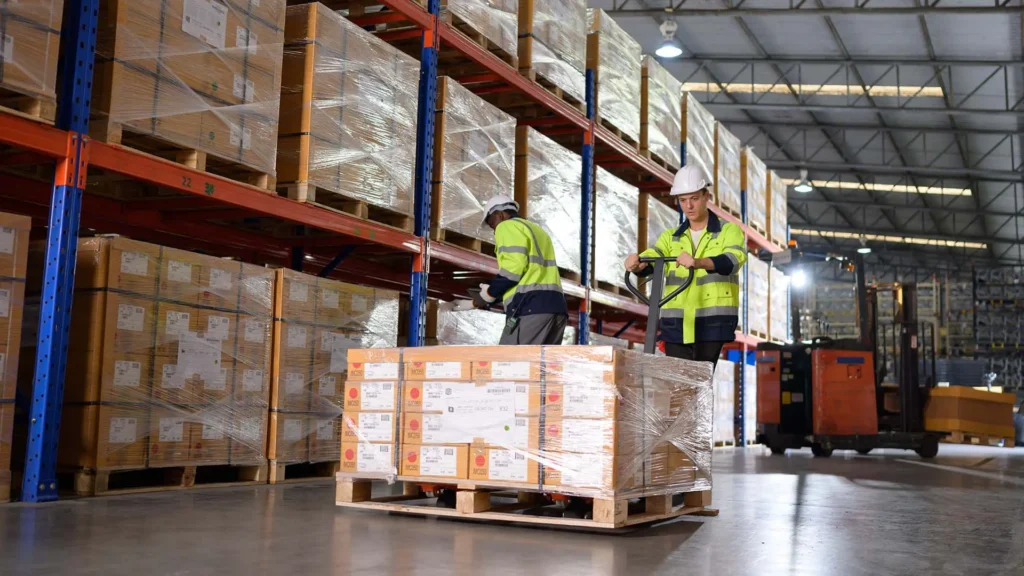
Mistakes are a usual thing in a fast-moving supply chain. Products are easily damaged by small mistakes during loading or storage. Employees can transfer products at a slow pace. This can result from poor pallet stacking or blocked ventilation. When mishandled, packaging may be crushed, unevenly cooled, and have a reduced shelf life.
Delays in Transportation
New freight is valuable only for an hour. It is particularly expensive to transport temperature-sensitive goods, which are prone to delays. Delivery can be slowed down by traffic, weather, route errors, or customs. This has a direct impact on the freight of perishable goods since goods might arrive too late or with less freshness left in them.
Key Benefits of Refrigerated Freight for Perishable Goods
Refrigerated transport provides businesses with a greater amount of control over delicate cargo. It enables products to travel a longer distance and remain fresh and safe.
The key benefits of refrigerated freight for perishable goods are:
- Prolonged shelf life of products
- Reduced risk of spoilage during shipping
- Improved compliance with food safety
- Better quality products upon delivery.
- Expansion of markets
Best Practices to Improve Cold Freight Operations
Disciplining daily brings a strong, cold chain performance. Many typical problems can be avoided with the help of the appropriate combination of technology, planning, and training.
Temperature Monitoring and IoT Tracking
Intelligent sensors can be used now to monitor the conditions of shipments in real time. Alerts are sent to teams whenever temperatures change to unsafe levels. It enables quicker response prior to product destruction. It also generates handy auditing and customer reporting records.
The tools enhance the work of cold freight and decrease losses.
Optimized Packaging and Insulation
The packaging has a significant impact on the security of sensitive cargo. The proper materials assist in holding a stable condition during the journey. Temperature control is achieved with insulated boxes, thermal liners, and cooling. Improved packaging also minimizes physical damage during handling.
Efficient Route and Transit Planning
Transit planning has the power to determine the arrival condition of goods as fresh or late. Smart routing enhances speed and reliability. Firms have the ability to prevent congestion, strategize backup routes, and have better scheduling of handoffs. This assists in the fast delivery of freight for perishable goods with a longer shelf life to come.
Role of Air Freight in Perishable Goods Transport
There are products that require speed over low cost. Air transportation of seafood, berries, flowers, and urgent pharmaceutical cargo is common.
Air freight perishable goods services come in handy there. Air transport time is less than the transit time, with fewer handling stages, and enhances freshness upon delivery.
Reducing Waste in Logistics Through Better Cold Chain Management
Spoilage brings about a loss of money and environmental degradation. Enhanced cold chain systems allow companies to reduce the waste of products and enhance sustainability.
The waste in logistics can be reduced with increased temperature regulation, expedited flow, and enhanced forecasting. Savings can be easily achieved by companies that pay close attention to losses.
Problem | Better Solution | Result |
Temperature abuse | Real-time alerts | Less spoilage |
Delivery delays | Route planning | Fresher goods |
Overstocking | Demand forecasting | Lower waste |
Rough handling | Staff training | Less damage |
Zero Waste Initiatives in Logistics
Many businesses now focus on sustainability goals. Better cold chains support these efforts by reducing avoidable losses.
Popular zero-waste initiatives in logistics include the following:
- Reusable packaging systems
- Returnable crates and pallets
- Accurate ordering systems
- Donating safe, unsold goods
- Lower energy waste in storage
Inventory and Demand Planning
The spoilage is commonly caused by mistakes in planning. Excessive stock leads to waste, whereas insufficient stock results in shortages.
Improved forecasting enhances the level of inventory turnover and maintains the right speed of products. It also assists in minimizing logistical waste and enhancing the level of service.
Data-Driven Decision Making
To make good decisions, good information is required. Information assists companies in knowing the point at which they incur the biggest losses.
Teams will be able to analyze delays and rejection rates, damaged loads, and seasonal demand patterns. This aids in solving cold chain logistics problems based on facts rather than speculations.
Conclusion
The success of the cold chain is based on consistency, speed, and visibility. A failure of one connection may cost companies a product, income, and a client. The positive side of the issue is that numerous cold chain logistics problems can be avoided by using smarter systems and planning.
An improved cold chain usually helps companies to eliminate waste, safeguard margins, and enhance customer experiences. Instico can assist in developing sound logistics plans and ensuring cargo security and performance throughout the chain.
FAQs
What documents are required for air freight shipping?
The most critical document is the Air Waybill (AWB), which acts as a receipt and a contract. You will also need a Commercial Invoice, a Packing List, and potentially a Certificate of Origin depending on the destination.
Is air freight suitable for perishable or fragile goods?
Yes, it is the preferred method for these items. The shorter transit time reduces the risk of spoilage for perishables, and the reduced handling compared to sea shipping makes it safer for fragile items.
Is air freight more expensive than sea or road shipping?
Generally, yes. Air freight charges are higher because of fuel costs and the limited capacity of aircraft. However, you can often save money on insurance and warehousing, which offsets some of the initial costs.
What is the difference between air cargo and air courier services?
Air courier is typically “door-to-door” and handles smaller parcels with all-in-one pricing. Air cargo is usually “airport-to-airport” for larger shipments and requires a freight forwarder to manage the “last mile” and customs.
Can small businesses use air freight services?
Absolutely. Many small businesses use air freight to maintain low inventory levels and respond quickly to customer demand without needing a massive warehouse.