Fast-growing businesses usually hit the same wall at some point. Orders increase. New customers come in. Expansion looks exciting from the outside. But internally, operations start feeling heavier than before. Deliveries take longer to coordinate.
Most companies do not notice the issue immediately. At first, teams simply work harder to keep things moving. Then delays become more frequent. Customer support requests increase. Shipping costs rise faster than expected.
That is when businesses realize growth is not only about increasing sales. It is also about whether operations can scale without becoming difficult to control.
A smart logistics strategy helps businesses grow without constantly reacting to operational pressure. It creates better coordination across transportation, warehousing, fulfillment, and procurement so companies can scale more efficiently while maintaining customer trust.
Why Fast-Growing Companies Struggle with Logistics
Growth rarely breaks logistics overnight. Most of the time, it exposes inefficiencies that already existed in smaller operations.
Manual coordination may work when order volume is manageable. But once businesses expand across regions, add more vendors, or handle higher shipment volumes, disconnected processes start creating delays behind the scenes.
One common issue growing companies face is a lack of visibility. Warehouse teams may not have updated inventory data. Dispatch schedules change without real-time communication.
Customer support teams struggle to track shipment updates accurately. At that point, teams spend more time checking information than solving operational issues.
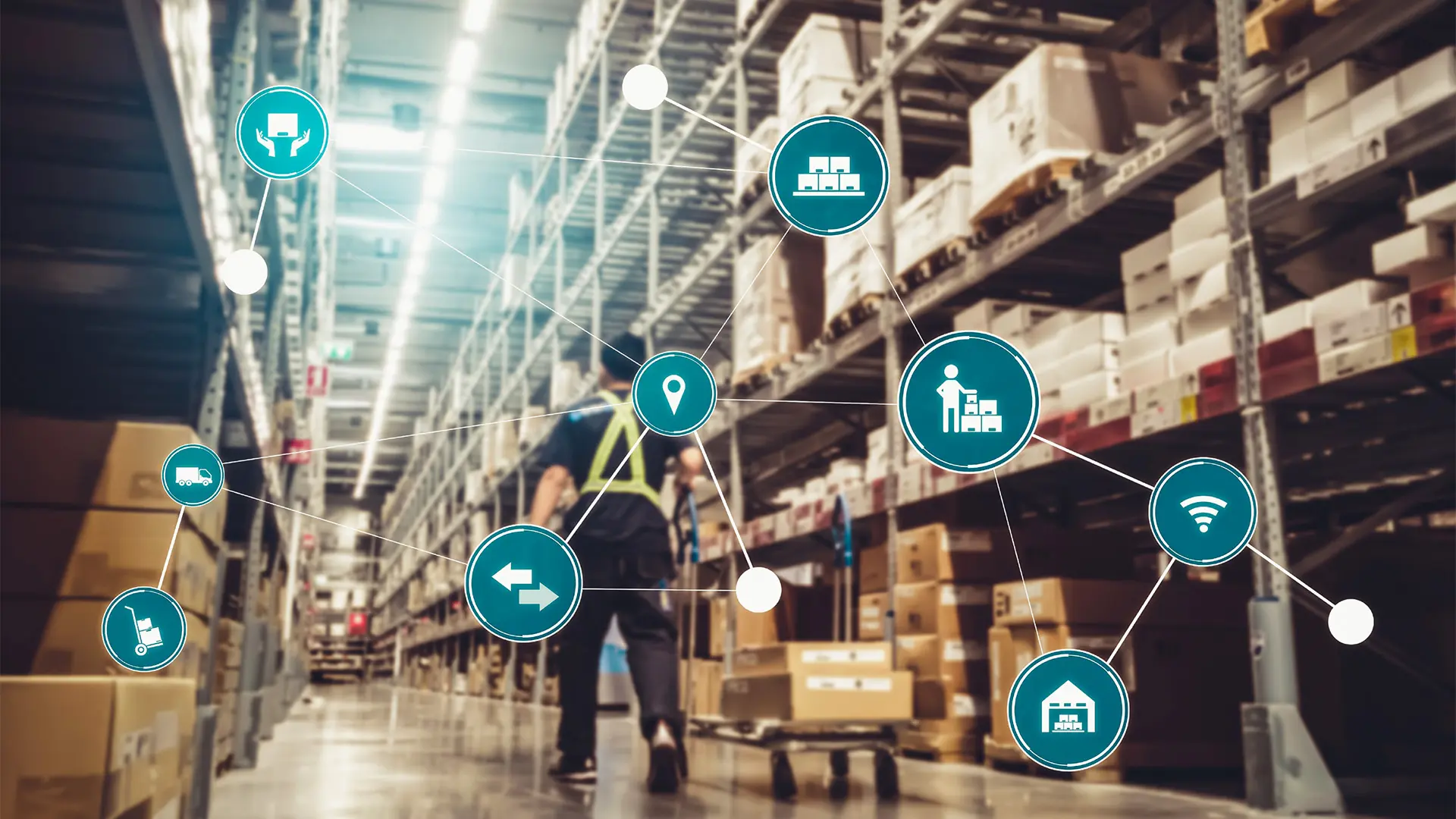
According to the Council of Supply Chain Management Professionals, supply chain visibility and coordinated logistics planning remain essential for operational efficiency and customer satisfaction.
Key Takeaway
Most logistics problems become visible internally long before customers notice delivery failures.
The warning signs usually appear through:
- delayed dispatch coordination
- inventory mismatches
- rising manual corrections
- slower communication between teams
Businesses that recognize these patterns early usually scale more smoothly.
What a Smart Logistics Strategy Actually Looks Like
A strong logistics system is not only about moving products faster. It is about creating operations that stay organized as complexity increases.
That usually starts with four important areas.
Transportation Management
Transportation directly affects delivery consistency, operational costs, and customer experience. But many growing businesses focus only on shipping speed while overlooking coordination efficiency.
Poor route planning, inconsistent carrier communication, and fragmented dispatch workflows often create delays before customers even see them.
Businesses with stronger transportation systems usually focus on:
- route optimization
- shipment visibility
- carrier performance
- load planning
- freight coordination
Because once operations scale, consistency matters as much as speed.
Warehousing and Inventory Control
Inventory problems often build quietly. A business may think warehouse operations are under control until fulfillment delays begin affecting customer orders.
As order volumes increase, even small tracking gaps can create:
- inventory confusion
- delayed fulfillment
- inaccurate stock visibility
- operational bottlenecks
One thing logistics teams often notice during rapid growth is that visibility problems usually appear before major delivery problems do.
Teams stop trusting the data they are seeing. That is often the first operational warning sign.
Technology Integration
Technology helps logistics operations move faster, but software alone does not fix operational inefficiency.
Many businesses invest in automation, expecting immediate improvement. In reality, disconnected workflows still create friction even with advanced systems in place.
The most effective logistics systems usually support:
- real-time tracking
- warehouse coordination
- operational forecasting
- inventory updates
- communication between departments
The goal is not to add more platforms. It is reducing operational confusion.
Supplier and Vendor Coordination
Adding more vendors may seem like the easiest way to support growth.
Different transportation providers, warehouses, and procurement teams working separately can increase communication delays and slow decision-making.
That is why centralized coordination becomes more important as businesses expand.
Logistics Procurement Strategy for Scalable Operations
A scalable logistics procurement strategy is not simply about lowering costs. It is about building supplier relationships that can support long-term operational growth without creating instability later.
Many companies discover procurement weaknesses only after expansion begins, affecting delivery consistency.
Suppliers that worked well at smaller volumes may struggle under higher operational pressure.
Experienced logistics teams usually evaluate vendors based on:
- reliability
- scalability
- communication responsiveness
- regional support
- operational consistency
Cost matters, of course. But inconsistent operations often become more expensive than businesses expect.
Logistics Cost Reduction Strategies Without Hurting Efficiency
Most businesses want lower logistics costs. The challenge is that aggressive cost-cutting often creates larger operational problems later.
The best logistics cost reduction strategies focus on efficiency instead of simply reducing spending.
That may include:
- improving route efficiency
- consolidating shipments
- reducing warehouse delays
- forecasting inventory more accurately
- minimizing manual coordination
- optimizing freight utilization
One overlooked issue during growth is exception handling.
A delayed shipment affects more than transportation expenses. It also increases customer support pressure, refund requests, operational corrections, and internal coordination time.
Those hidden costs grow quickly as businesses scale.
The U.S. Department of Transportation also highlights how transportation efficiency and better supply chain coordination can help businesses reduce delays, improve operations, and control rising logistics costs.
Reactive Logistics vs Strategic Logistics
Comparison table of both:
Reactive Logistics | Strategic Logistics |
Solves problems after delays happen | Anticipates operational bottlenecks |
Uses fragmented coordination | Uses centralized visibility |
Focuses only on transportation | Focuses on operational scalability |
Prioritizes short-term savings | Prioritizes long-term efficiency |
That difference becomes more noticeable as businesses grow.
Why Reverse Logistics Matters More During Growth
Returns management becomes much more complicated during expansion.
That is why reverse logistics reselling repair business model strategies are becoming increasingly important across ecommerce, retail, and manufacturing operations.
Reverse logistics includes:
- returns processing
- repairs
- refurbishment
- recycling
- inventory recovery
Many businesses handle returns manually at first because volumes seem manageable. Then growth changes the situation.
Returns begin affecting warehouse space, inventory visibility, and fulfillment efficiency. Customer expectations also become higher during the process.
Companies that build structured reverse logistics systems early usually improve:
- operational efficiency
- inventory recovery
- customer retention
- sustainability efforts
And customers notice when returns are handled smoothly.
Logistics Marketing Strategy for Business Growth
Strong operations matter. But visibility matters too. A smart logistics marketing strategy helps businesses communicate reliability, operational capability, and service quality clearly to potential customers.
Most B2B buyers research logistics providers long before they start direct conversations.
They want to see:
- operational experience
- industry understanding
- fulfillment consistency
- communication quality
- scalable support systems
That is why educational content and trust-building have become important parts of long-term business growth.
Digital Marketing Strategy for Logistics Companies
An effective digital marketing strategy for logistics companies focuses more on credibility than aggressive promotion.
Most businesses are not looking for flashy marketing. They are looking for confidence that operations will remain stable as they scale.
Many logistics companies now invest in:
- SEO-focused educational content
- LinkedIn networking
- industry insights
- email communication
- case studies
A practical marketing strategy for logistics company growth should help businesses understand operational value clearly instead of overwhelming them with marketing-heavy messaging.
Service Marketing Strategies for Logistics Companies
Strong service marketing strategies for logistics usually come down to consistency. Because logistics relationships are built on trust over time.
Customers remember:
- delayed communication
- poor shipment visibility
- missed delivery timelines
- unresolved operational issues
But they also remember companies that communicate clearly and solve problems quickly. That reliability becomes a competitive advantage.
Common Challenges Growing Businesses Face
Even strong logistics systems face pressure during rapid expansion.
Some of the most common challenges include:
- rising freight costs
- supply chain disruptions
- fragmented operations
- technology adoption resistance
- fulfillment inefficiencies
- inventory synchronization issues
One important observation across growing businesses is that operational strain usually becomes visible internally weeks before customers experience major delivery problems.
The earlier businesses respond, the easier scaling becomes.
Building a Future-Ready Logistics Strategy
Future-ready logistics systems are built around flexibility, visibility, and operational coordination.
That means focusing on:
- scalable fulfillment systems
- data-driven forecasting
- integrated communication
- adaptable transportation planning
- real-time operational visibility
The companies handling growth most effectively today are usually the ones treating logistics as a long-term business function instead of a reactive operational task.
Since inefficiencies become part of daily operations, fixing them becomes far more expensive later.
Conclusion
Fast growth does not automatically create operational problems. More often, it exposes systems that were never designed to support increasing complexity in the first place.
Businesses that scale successfully usually invest early in visibility, coordination, fulfillment efficiency, procurement planning, and operational flexibility. They understand that logistics affects far more than shipping timelines. It affects customer trust, operational stability, and long-term growth.
A modern logistics strategy is ultimately about helping businesses grow without losing control of operations along the way.
If you are ready to simplify your logistics with experts then connect today and create a stronger foundation for growth. Now is a good time to start that conversation.
FAQs
What documents are required for air freight shipping?
The most critical document is the Air Waybill (AWB), which acts as a receipt and a contract. You will also need a Commercial Invoice, a Packing List, and potentially a Certificate of Origin depending on the destination.
Is air freight suitable for perishable or fragile goods?
Yes, it is the preferred method for these items. The shorter transit time reduces the risk of spoilage for perishables, and the reduced handling compared to sea shipping makes it safer for fragile items.
Is air freight more expensive than sea or road shipping?
Generally, yes. Air freight charges are higher because of fuel costs and the limited capacity of aircraft. However, you can often save money on insurance and warehousing, which offsets some of the initial costs.
What is the difference between air cargo and air courier services?
Air courier is typically “door-to-door” and handles smaller parcels with all-in-one pricing. Air cargo is usually “airport-to-airport” for larger shipments and requires a freight forwarder to manage the “last mile” and customs.
Can small businesses use air freight services?
Absolutely. Many small businesses use air freight to maintain low inventory levels and respond quickly to customer demand without needing a massive warehouse.