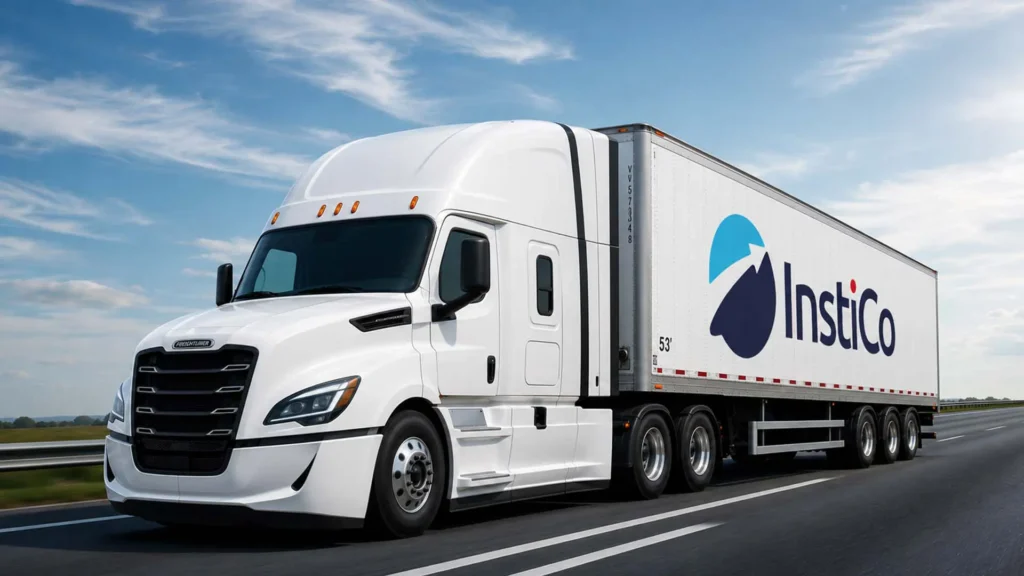
Most fleet investments do not fail because the software lacked features. They fail because teams compare the wrong things too early. That usually happens when buyers focus on dashboards, pricing, and demos before understanding how the solution will actually affect daily work.
Before you choose a vendor, compare your fleet management operations first. This means examining how cars move, how drivers operate, how maintenance is performed, and where delays or needless expenses already occur. Selecting the appropriate solution becomes much simpler once you understand that.
What Are Fleet Management Operations?
In simple words, fleet management operations include everything required to keep a business fleet running efficiently.
That includes:
- vehicles
- drivers
- maintenance
- fuel usage
- route planning
- compliance
- reporting
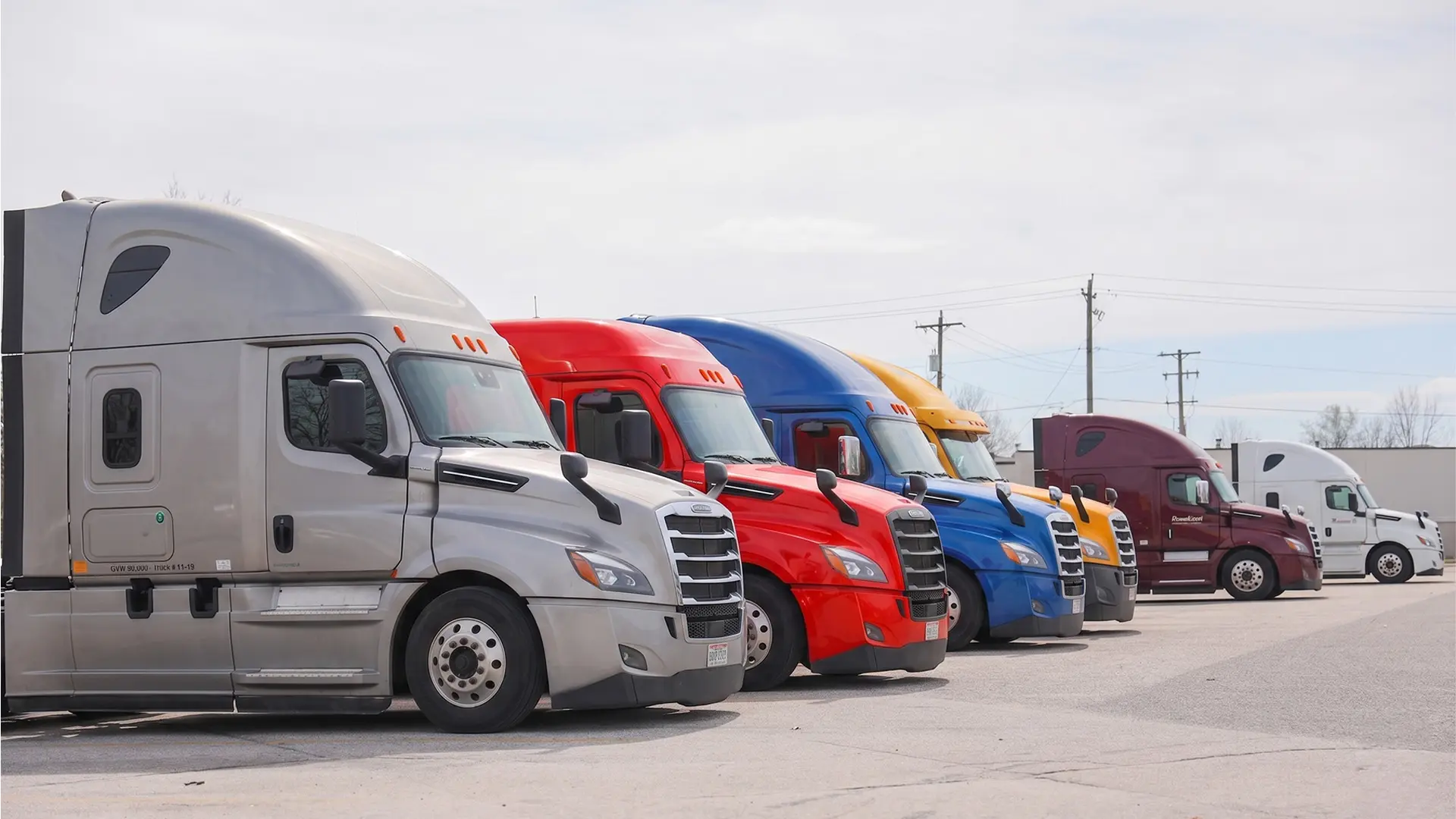
Basically, it is the day-to-day system behind fleet performance. Strong fleet operation management helps businesses reduce delays, control costs, and improve visibility across operations. Without that structure, problems usually grow quietly until they become too costly.
Why Comparing Fleet Management Operations Is Critical Before Investment
A new system can improve operations. It can also create new problems. That depends on whether it actually fits how your business works.
Comparing operations first helps you:
- Avoid paying for features you do not need.
- Reduce implementation risk.
- Improve long term ROI.
- Align tools with business goals.
This matters more than many buyers expect. Two platforms might look the same in a demo, but only one may fit your dispatch workflow. That difference becomes visible after installation.
Key Components of Fleet Operation Management
Fleet operations management often doesn’t break because of one big issue. It’s the small things that slowly add up, missed maintenance, poor routing, or drivers not being coordinated properly. Over time, that shows up in cost and downtime.
For growing fleets, the real need is simple, keep daily work from getting messy as things scale.
Vehicle Acquisition and Lifecycle Management
Every vehicle has a lifecycle, as it enters the fleet, runs for a period, and eventually needs replacement. The challenge is knowing when things start becoming expensive instead of useful. Most teams track usage, maintenance history, and costs so they don’t end up spending more than they should without noticing.
Driver Management and Safety
Drivers are basically at the center of everything. If scheduling is off or safety tracking is weak, the whole operation feels it. When driver details, training, and compliance are handled properly, day-to-day operations feel more stable and predictable.
Maintenance Scheduling and Tracking
Maintenance delays are where costs usually creep in. A missed service today often becomes a breakdown later. Keeping track of service timing, repairs, and downtime helps avoid those surprise failures that disrupt schedules.
Fuel and Route Optimization
Fuel is one of those costs that quietly grows if routes are not planned well. Even small inefficiencies add up over time. Better routing and less idle time usually make operations smoother without much extra effort.
Types of Fleet Management Solutions Available
Most businesses do not pick a fleet system overnight because what looks good during a demo does not always feel practical once the team starts using it every day.
This is the reason why companies spend time comparing different fleet operations management systems before making a decision.
On-premise vs cloud-based systems
This is simply about where the system runs and how teams access it daily. Some prefer full internal control, while others prefer easy access from anywhere. On-premise systems offer more internal control.
Cloud systems usually offer:
- faster deployment
- easier updates
- better remote access
Most growing fleets now prefer cloud flexibility.
Integrated vs standalone solutions
This is about using one system for everything or separate tools for different functions. It usually depends on how complex the fleet setup is. Some businesses want one platform.
Others use separate tools for:
- telematics
- maintenance
- compliance
Integrated systems often reduce data silos.
Industry-specific systems
A delivery fleet and a construction fleet do not operate the same way. Industry-specific tools often provide better operational fit. That is especially true in logistics, field service, and construction.
And for this reason, industry-specific systems often make operations easier once fleets start getting busier.
Best Systems for Managing Multi-Location Fleet Maintenance Operations
When fleets are spread across multiple locations, maintenance becomes harder to track. What works smoothly in one branch often gets delayed or missed in another. That’s where businesses start looking for the best systems for managing multi-location fleet maintenance operations to keep everything aligned in one place.
Now, it’s less about features and more about having clear visibility and control across all sites.
Centralized Dashboards
A centralized dashboard brings all maintenance activity into one view. Instead of checking updates from different locations, managers can quickly see what’s done, what’s pending, and what needs attention. It helps reduce missed updates and confusion between teams.
Real-Time Monitoring
Real-time monitoring gives a live picture of fleet activity across locations. Issues like delays or overdue maintenance show up immediately, so teams can respond without waiting for reports.
Predictive Maintenance Tools
These systems go a step further by flagging potential issues early. Instead of reacting to breakdowns, teams can fix problems before they interrupt operations.
The U.S. Department of Transportation continues to emphasize preventive vehicle safety and maintenance as a core compliance priority.
Compliance Management for Large Fleet Operations
As fleets grow, compliance becomes harder to track consistently. That’s why large fleets need systems that keep everything organized and easy to access on a daily basis.
This usually includes:
- driver records
- inspection logs
- ELD management
- safety documentation
For large fleets, the best compliance management solution for a large fleet operation is one that brings all of this into a single system. It reduces manual work and helps avoid small gaps turning into bigger compliance issues.
The FMCSA continues tightening digital compliance expectations, especially around registration and electronic reporting systems in 2026.
How to Evaluate Fleet Management Operations Before Investing
It’s also helpful to see how your current operation runs every day before choosing any fleet solution. Once you know where the real gaps are, it’s much easier to assess which solution actually fits your operation.
Start with your own operation.
Ask:
- Where are delays happening?
- What processes are manual?
- Where do costs keep rising?
Then compare vendors.
Focus on:
- operational fit
- integration capability
- scalability
- total cost of ownership
Do not compare features first, compare workflow impact first. Because that often leads to better decisions.
Common Mistakes to Avoid When Choosing Fleet Management Solutions
A lot of businesses choose a fleet system, thinking it will solve everything right away. But once daily operations start running through the platform, small problems begin showing up.
In many fleet operation management setups, the issue is not the software itself. It is choosing something that does not really fit the way the business operates.
Choosing Based Only on Price
A lower price may look good at first, but it can create more problems later if the system slows teams down or lacks important operational support.
Ignoring Scalability
Some systems handle smaller fleets well but become harder to manage as the business grows, and more vehicles get added.
Overlooking Integration
When different systems do not work together properly, teams usually end up doing extra manual work just to keep information updated.
Underestimating Training
People need time to get comfortable with new systems. If training gets ignored, adoption becomes harder and operations suffer because of it.
Taking the time to compare operational fit properly usually leads to smoother implementation and fewer problems later on.
Conclusion
A fleet investment should improve operations, not complicate them. That starts with comparison. Before choosing software, compare your workflows, maintenance model, compliance demands, and growth plans. That is how better decisions get made.
The right system helps reduce costs, improve visibility, and support long-term growth, but only when it fits your fleet management operations.
That is where experienced logistics partners like Instico Logistics help businesses make smarter, more operationally grounded decisions.
FAQs
What documents are required for air freight shipping?
The most critical document is the Air Waybill (AWB), which acts as a receipt and a contract. You will also need a Commercial Invoice, a Packing List, and potentially a Certificate of Origin depending on the destination.
Is air freight suitable for perishable or fragile goods?
Yes, it is the preferred method for these items. The shorter transit time reduces the risk of spoilage for perishables, and the reduced handling compared to sea shipping makes it safer for fragile items.
Is air freight more expensive than sea or road shipping?
Generally, yes. Air freight charges are higher because of fuel costs and the limited capacity of aircraft. However, you can often save money on insurance and warehousing, which offsets some of the initial costs.
What is the difference between air cargo and air courier services?
Air courier is typically “door-to-door” and handles smaller parcels with all-in-one pricing. Air cargo is usually “airport-to-airport” for larger shipments and requires a freight forwarder to manage the “last mile” and customs.
Can small businesses use air freight services?
Absolutely. Many small businesses use air freight to maintain low inventory levels and respond quickly to customer demand without needing a massive warehouse.