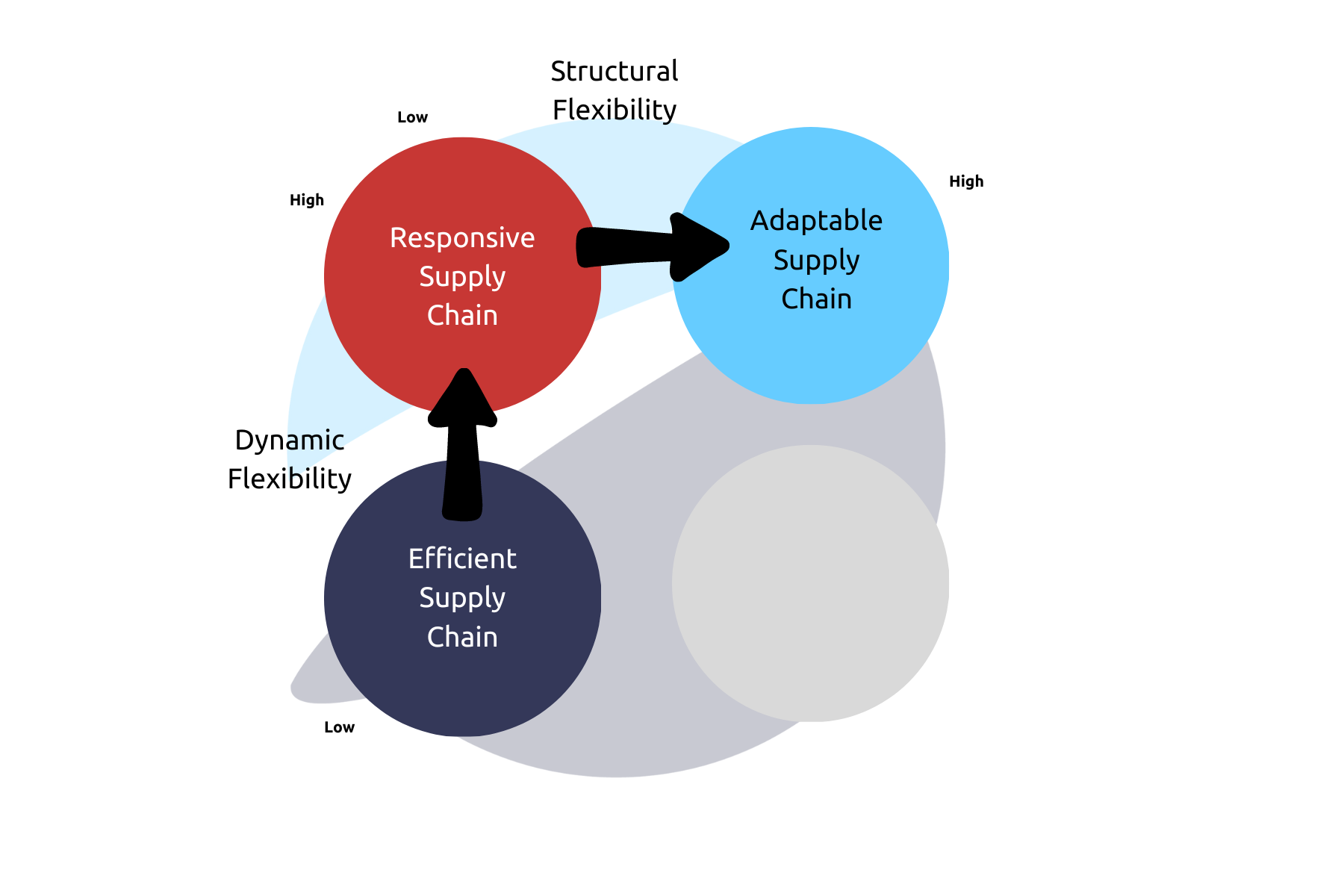
The days of rigid, linear supply chains are fading fast. In today’s dynamic market, a flexible supply chain is no longer optional; it’s essential. From global pandemics to natural disasters, unexpected events can wreak havoc on your plans. But fear not; there’s a solution: building a flexible supply chain.
Think of it as the ultimate business superpower. A flexible supply chain allows you to adapt and adjust to unexpected changes, mitigating risks, minimizing losses, and ensuring you stay ahead of the curve.
So, what exactly does a flexible supply chain look like?
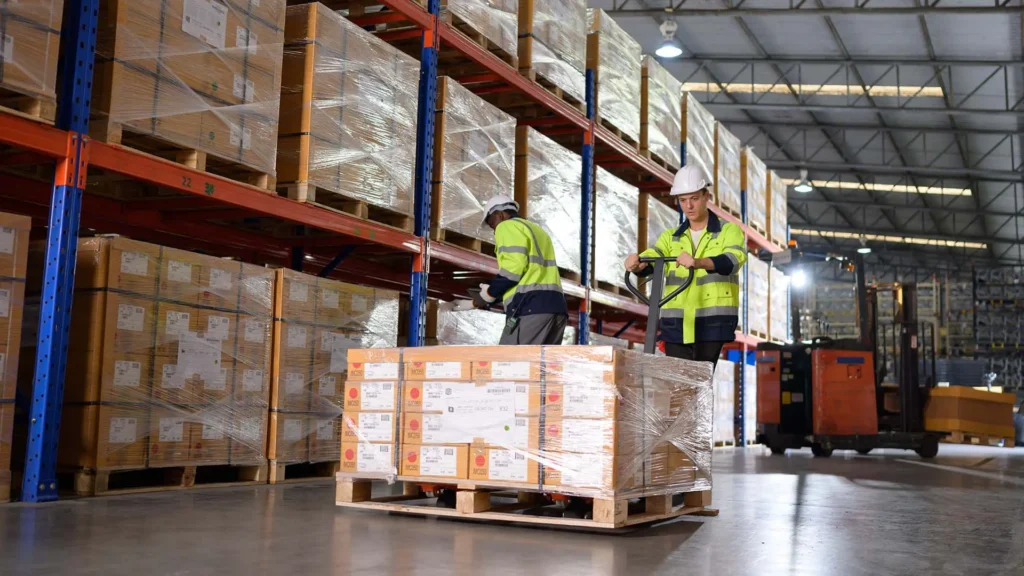
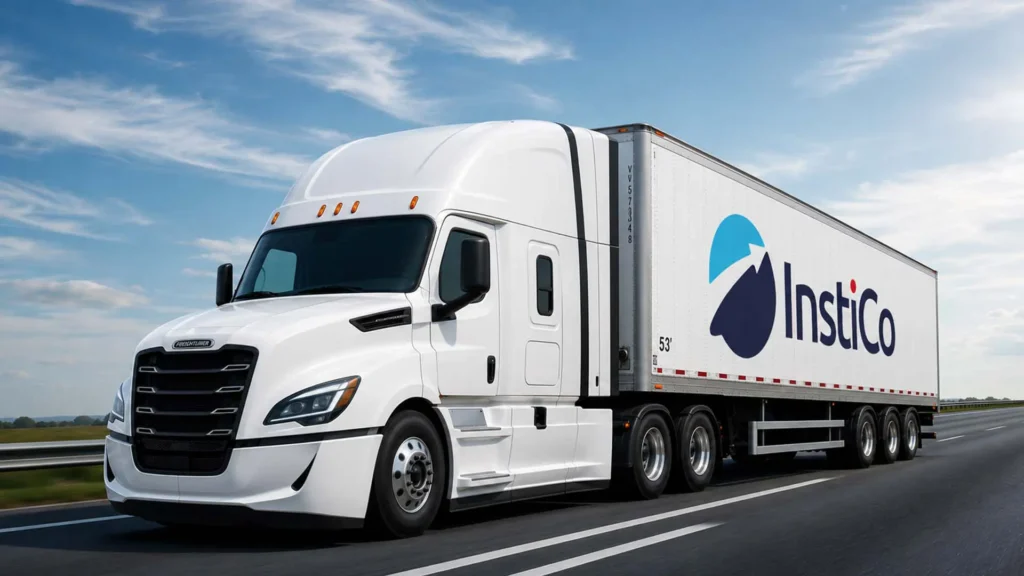
1. Diversification is Key: Don’t put all your eggs in one basket. Diversify your suppliers, transportation options, and production facilities. This way, if one source is disrupted, you have backups to rely on.
2. Embrace Technology: Leverage data analytics and digital tools to gain real-time insights into your supply chain. This allows for proactive decision-making and faster adjustments in response to changing circumstances.
3. Foster Collaboration: Communication and collaboration are essential. Build strong relationships with your suppliers, partners, and customers. Open communication allows challenges to be addressed swiftly and collaboratively.
4. Be Agile: Be bold and experiment and adapt. Be willing to change course if necessary and embrace continuous improvement.
The Benefits of a Flexible Supply Chain:
- Reduced Risk: By having multiple options, you can mitigate the impact of disruptions, preventing major setbacks and financial losses.
- Increased Efficiency: A flexible chain allows you to optimize processes and identify areas for improvement, leading to greater efficiency and cost savings.
- Enhanced Customer Satisfaction: By adapting to changing customer demands and delivering on time, you build stronger customer relationships and loyalty.
- Improved Competitive Advantage: In a dynamic market, adapting and responding quickly is crucial. A flexible supply chain gives you a significant edge over competitors stuck in their old ways.
Building a flexible supply chain is an ongoing process, but the rewards are substantial. By investing in adaptability, you’re investing in the future of your business. So, take control, embrace change, and unlock the power of a flexible supply chain. After all, in today’s unpredictable world, it’s not just about where you’re going but how you get there.