Sea freight moves most global cargo, but the real challenge usually starts before containers even reach the vessel. Delays, customs checks, port congestion, and timing problems all affect how shipments move across countries. This blog breaks down how ocean freight actually works behind the scenes and why coordination matters more than most people realize.
Typically, this is when logistics starts getting noticed inside the business, not in a good way. A small delay here, a missed update there, and suddenly planning doesn’t feel as stable as it used to.
At that stage, businesses don’t start looking for air cargo services because it sounds like an upgrade. They look at it because they need something that actually keeps up with how fast things are moving now.
How Sea Freight Shipping Moves 90% of the World’s Goods
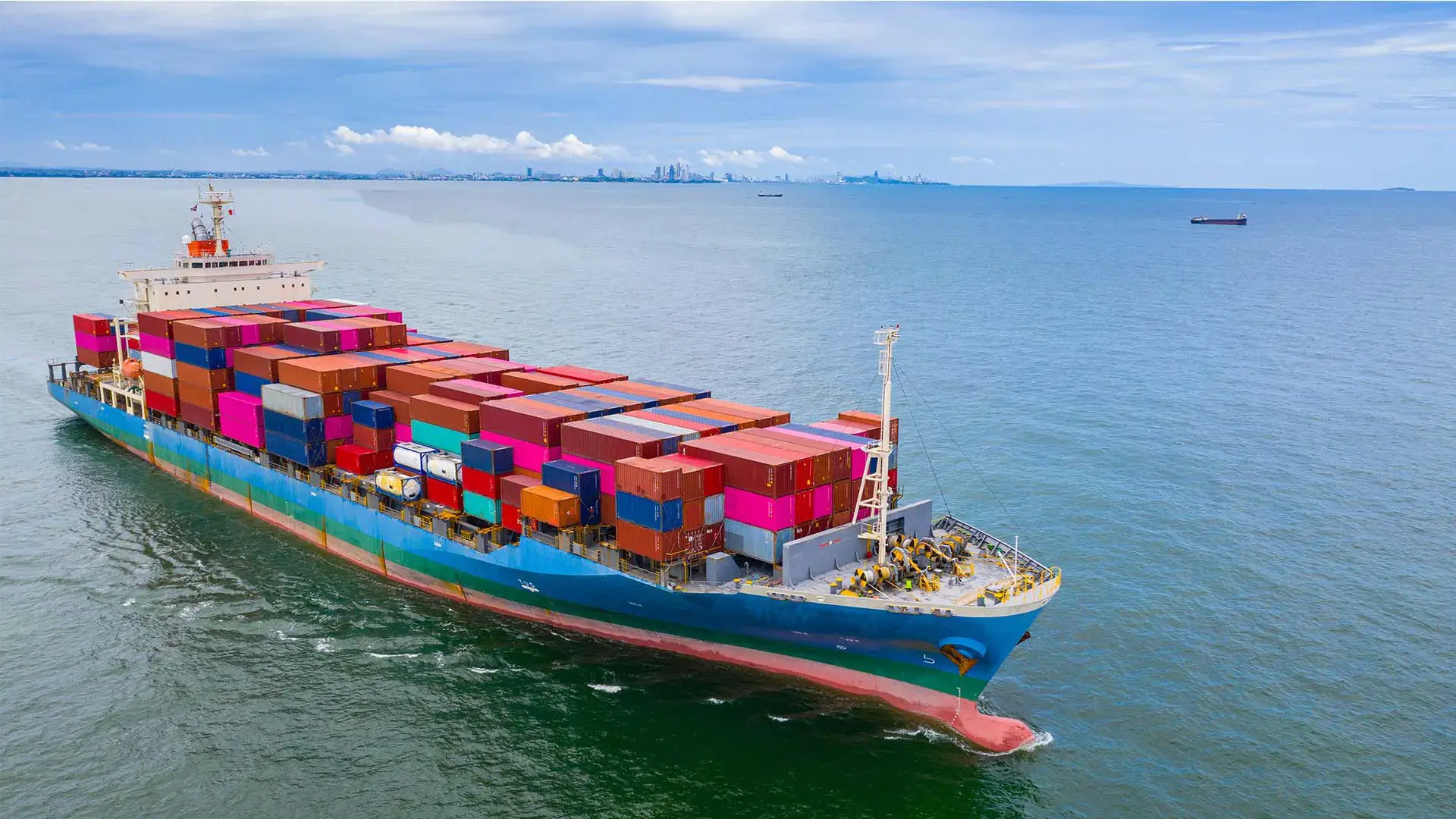
A delay in supply chains rarely starts where people expect. It usually shows up later in a warehouse running short on stock, a production line waiting on parts, or a shipment arriving too late to support demand. This is where sea freight shipping sits at the center of global trade. Not because it is visible, but because it carries the scale that most industries depend on every day. In fact, marine transport handles close to 80–90% of global trade volume.
In real operations, containers don’t fail at sea, but they fail in timing. Alike booking windows, port cut-offs, customs clearance, and inland transport all need to align perfectly. If one step slips, the entire shipment moves to a different timeline.
At Instico Logistics, most of the work happens around keeping shipments from falling behind before delays even start. Port cut-offs, customs clearance, inland transport, container timing, and carrier coordination all need to stay aligned. That is often where experienced freight planning makes the biggest difference.
What International Sea Freight Shipping Means
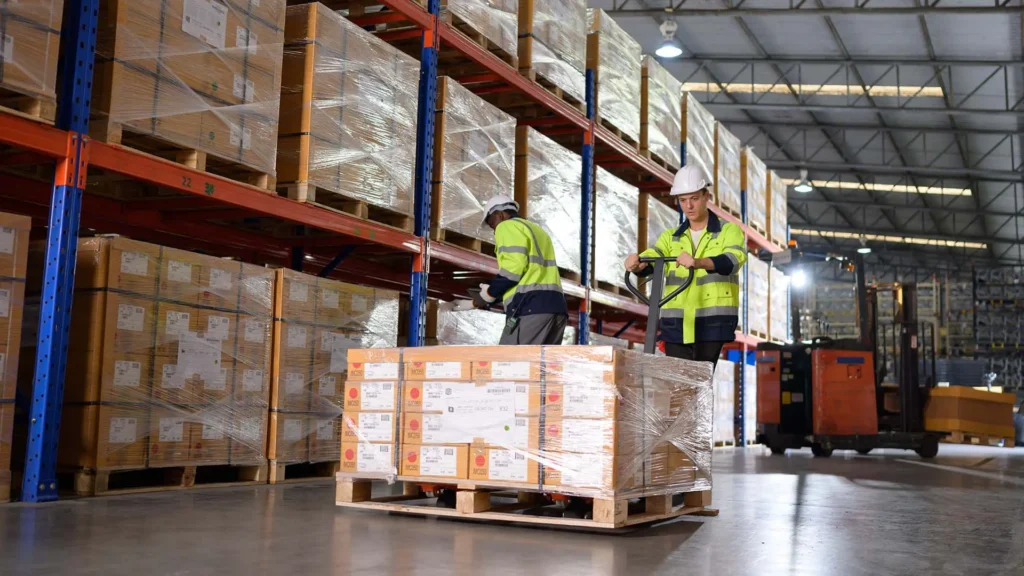
At its core, international sea freight shipping is cargo moving between countries through container vessels, but in actual operations, it rarely starts at the port. A shipment may move through warehouse staging, inland trucking, export terminals, customs checks, and container yards before it even reaches a ship. That’s where most timing issues begin.
We often see shipments fully ready at the warehouse but missing a port cut-off by a few hours. Nothing is technically wrong, yet the cargo still moves to a later sailing, pushing delivery timelines by nearly a week, depending on the route.
This is the reason why freight shipping by sea is less about transport and more about coordination across tightly controlled time windows.
More than 80% of world trade volume is carried by sea, according to UNCTAD. What makes that system work is how tightly every stage stays connected, from port handling to customs clearance and inland movement.
Why Sea Freight Shipping Costs Less
The biggest reason companies still use ocean freight is volume. One vessel can move thousands of containers on the same route at once. That is why sea freight shipping costs usually stay much lower than air freight when businesses are moving heavy or large-volume cargo. This type of cost structure is necessary for manufacturing, retail imports, construction, and industrial supply chains.
But in real-world logistics, cost efficiency is only stable when timing is stable. Delays change the cost equation quickly, not through freight rates, but through storage, detention, and inventory disruption.
A micro reality is that a container sitting at port for just a few extra days can quietly add demurrage and storage costs that were never part of the original shipping plan. In many cases, this has a larger financial impact than the ocean freight itself. In simple terms, cheap sea freight shipping only stays efficient when planning discipline is strong across booking, documentation, and inland coordination.
The World Bank has also shown that shipping efficiency and port performance affect supply chain reliability and trade costs globally. So, the cost advantage is always balanced against timing risk.
How International Sea Freight Shipping Works
In most supply chains, cargo doesn’t just “move” when a booking is confirmed. It starts moving through decisions, coordination gaps, and timing pressure long before a vessel ever shows up at port. That’s where most delays actually begin.
When you look at international sea freight shipping, the real work is not the ocean journey. It’s everything that happens before and after the container hits the vessel schedule.
Cargo Booking and Container Loading
Everything starts with booking space on a vessel. Teams handling international sea freight shipping align multiple moving parts at this stage, including vessel schedules, warehouse readiness, cargo weight, and export documents. In real operations, this is where small issues turn into real delays.
A truck is missing the port cutoff. A mismatch in paperwork. A container not ready for inspection. Most delays don’t start at sea, but they start here. Loading quality also matters more than expected. Poorly secured cargo leads to inspection delays, damage checks, and sometimes rework at the terminal.
Port Handling and Vessel Movement
Ports are always under pressure from congestion. Containers come in all the time, but they don’t always leave at the same rate. Cranes, yard space, and gates all create bottlenecks during peak movement cycles. This is when the international shipping sea freight becomes unpredictable.
Sometimes a container gets moved through another port before reaching the final destination. That is usually where schedules start shifting. One delayed vessel can throw off multiple container movements after that. In freight, everything connects to something else, so when one side slows down, the rest start adjusting around it.
Customs Clearance and Final Delivery
Cargo arriving at the port does not mean delivery starts immediately. Containers still go through customs checks, paperwork review, duty verification, and compliance clearance first. Sometimes, even a small document mismatch can hold cargo longer than the actual ocean transit.
After release, the shipment has to be transported by truck, rail or temporary warehouse handling according to the delivery plan. This is usually where international freight shipping by sea becomes more about coordination than transportation. Because now multiple systems are involved at the same time, not only the vessel movement.
How Businesses Actually Choose a Provider
Most companies don’t struggle because they lack options. They struggle because many providers sound the same at first.
Network matters more than it seems
A wider network usually means fewer disruptions when routes change or demand increases.
Tracking is not optional anymore
If a business can’t see where its shipment is, everything becomes reactive instead of planned. Modern transport air cargo service systems are expected to provide clarity, not confusion.
Communication decides how smooth operations feel
Delays happen, and that part is normal. What really matters is how early businesses are informed and how clearly updates are shared. Poor communication creates more stress than the delay itself.
Businesses stay with providers that make shipping feel easier to manage, not harder to keep up with.
Why Containers Changed Global Shipping
Before packaging, cargo handling was slow, manual, and inconsistent. Goods were repeatedly unloaded and reloaded across transport stages, increasing cost and damage risk. Standardized containers changed that completely.
Now the same container moves across ships, trucks, rail, and storage yards without unpacking. That shift made international sea freight shipping scalable across global networks. It also improved predictability in supply chains, something modern manufacturing and retail systems depend on heavily.
Common Problems in Sea Freight Shipping
Even with better planning and tracking, delays still keep happening. Port congestion is a big one. Containers arrive on time and still end up sitting at terminals because yard space is full or unloading gets backed up. Pricing changes the same way. Sea freight shipping rates move up and down constantly, depending on fuel costs, vessel space, busy seasons, weather problems, or delays happening somewhere else along the route.
Operational challenges also include:
- customs holds
- paperwork errors
- weather disruptions
- container shortages
- missed vessel connections
In specialized movements like live plant export shipping logistics, air freight, sea freight, routing decisions often shift between air and ocean depending on urgency and cargo condition requirements.
How Sea Freight Shipping Companies Help
Freight work is usually messy behind the scenes. Containers move, but at the same time, people are dealing with vessel schedules, customs paperwork, truck delays, carrier updates, warehouse timing, and tracking problems across different countries. And honestly, small mistakes create big problems fast. One missing document or delayed release can suddenly leave warehouses waiting on stock or push production schedules behind.
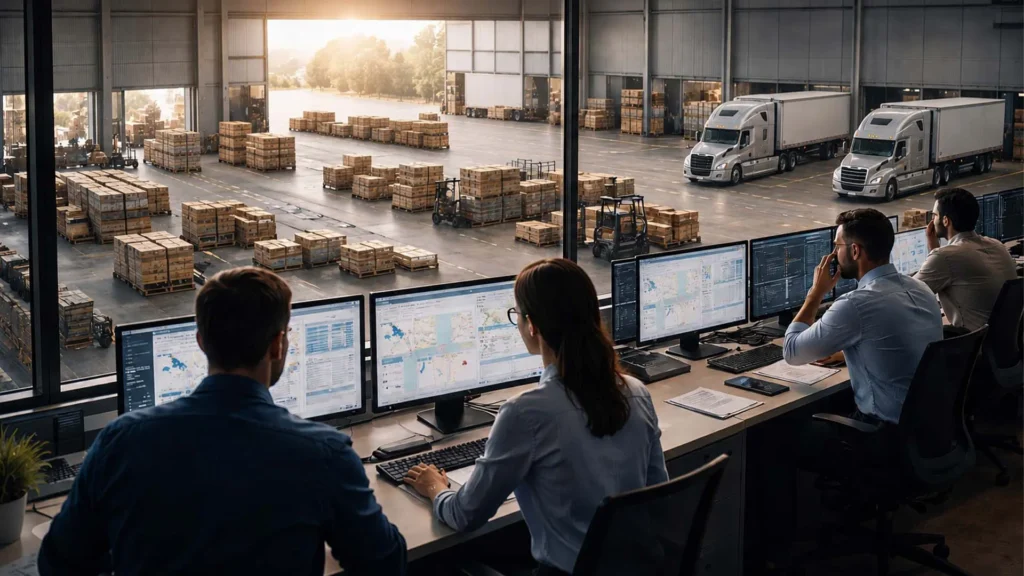
And here, with experienced logistics teams, you can make a difference. The main emphasis is mostly on keeping cargo moving before delays start spreading across the supply chain. This includes planning around port cut-offs, coordinating inland transport, managing documentation properly, and adjusting quickly when schedules shift unexpectedly. Because the real value is not just booking freight space. It has operational support that helps reduce disruption, protect inventory flow, and keep supply chains moving more consistently across multiple regions.
Conclusion
Global trade continues to function because thousands of freight movements stay aligned behind the scenes every day. Containers move through ports, vessels, rail systems, warehouses, and customs checkpoints in continuous cycles. Most of it goes unnoticed until something delays.
Even with pressure on global supply chains, sea freight shipping remains one of the most efficient and scalable ways to move goods internationally without uncontrolled transport cost escalation. The real difference in performance is not the ocean journey but how well everything around it is coordinated.
For businesses dealing with multi-country shipments and timing pressure, Instico Logistics works as a coordination partner across freight, documentation, inland transport, and port execution. The focus is to reduce delays before they build up and keep supply chains moving with fewer disruptions.
Not as a luxury, but as something that keeps the system from falling out of rhythm when volume increases. And at that stage, the real difference is not just speed. It’s whether the logistics setup can handle growth without adding more stress to the process.
For businesses managing domestic and international movement, partners like Instico Logistics help keep that flow more stable as operations expand.
FAQs
How long does international sea freight shipping take?
Some shipments move fast. Others get stuck for days because of customs, weather, or port delays. It really depends on the route and timing.
What affects sea freight shipping rates?
Fuel costs, vessel space, busy seasons, and port congestion usually affect pricing the most.
How do sea freight shipping companies manage cargo?
They handle container booking, paperwork, tracking, customs, and delivery planning across different shipment stages.