There’s a point in almost every growing business where shipping stops feeling simple. Not because the process suddenly changes, but because everything around it does. Orders come in faster, customers expect quicker turnaround, and what used to be “normal delivery time” starts feeling slow.
Typically, this is when logistics starts getting noticed inside the business, not in a good way. A small delay here, a missed update there, and suddenly planning doesn’t feel as stable as it used to.
At that stage, businesses don’t start looking for air cargo services because it sounds like an upgrade. They look at it because they need something that actually keeps up with how fast things are moving now.
What Are Air Cargo Services?
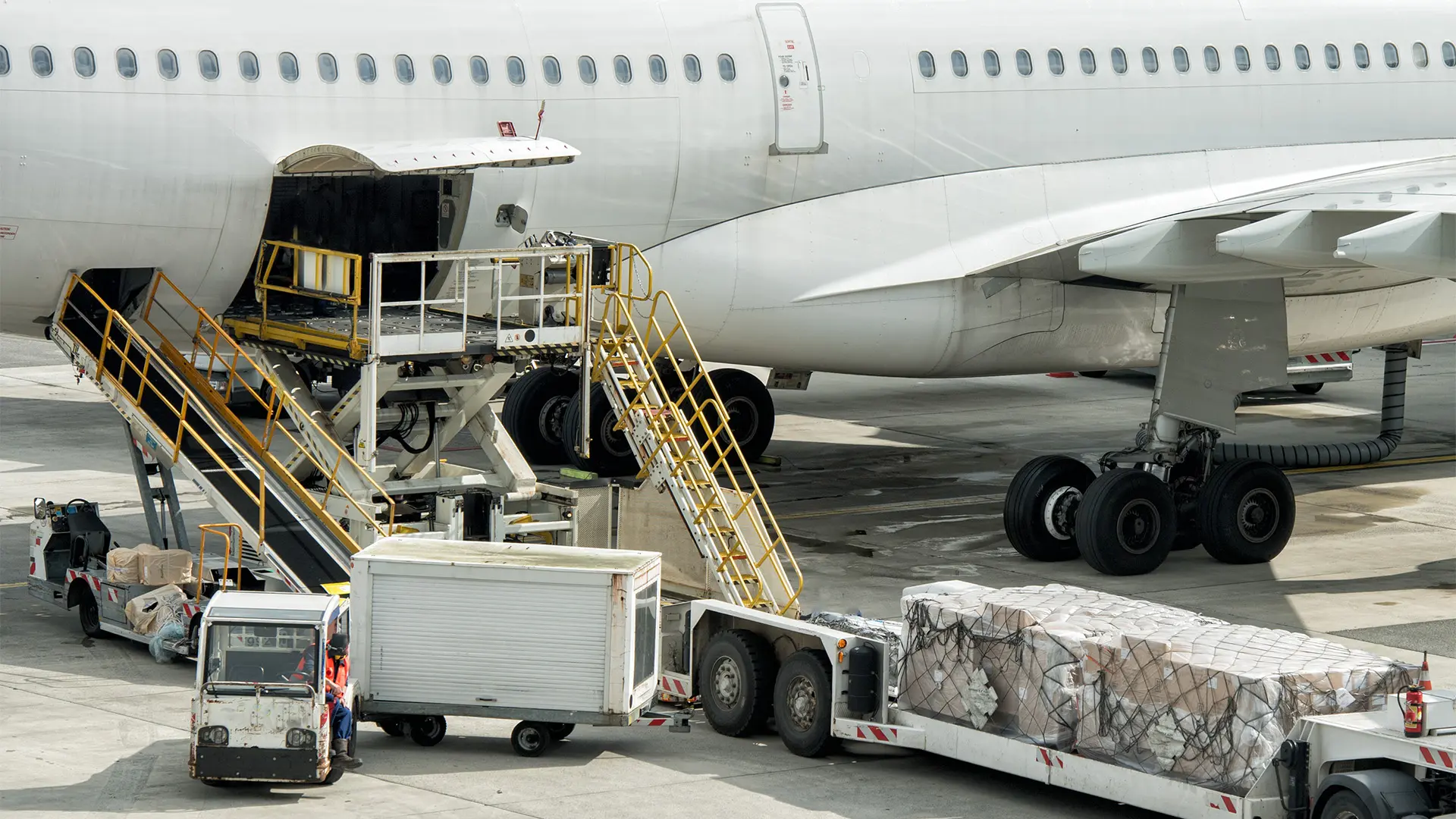
Air cargo is simply moving goods by aircraft instead of road or sea. It’s used when time matters or when delays start creating problems in operations. Most businesses use it for urgent stock, international deliveries, or goods that can’t sit in transit for too long without affecting demand. On paper, air freight cargo services look like transportation.
In reality, there’s a lot more happening:
- customs checks
- paperwork and documentation
- coordination between multiple parties
- tracking updates
- handling at different checkpoints
And this is where things often get complicated for growing businesses, because it’s rarely one big problem. It’s small delays growing up in different places until the whole system starts feeling slower.
Why Growing Businesses Start Relying on Air Cargo
As businesses grow, shipping starts carrying more pressure than before.
That’s why growth changes how businesses handle shipping:
When delays start affecting everything else
At a smaller scale, delays are manageable, and at a growing scale, they aren’t. A late shipment doesn’t stay isolated anymore. It can push back warehouse planning, delay customer orders, and mess with stock availability all at once.
Particularly, a delayed inventory shipment during a busy sales period may create problems far beyond shipping itself. Warehouse schedules change, customer orders are late, and teams react to problems instead of working from a clear plan.
That’s usually the point where businesses naturally start using air cargo transportation services more often. Not as a strategy, but as a necessity.
International shipping adds its own pressure
Domestic shipping feels more predictable, and international shipping doesn’t. Customs, documentation, local regulations, and clearance processes all slow things down in ways that are hard to control from the outside.
That’s why global air cargo services become important, not simply because they remove complexity completely but because they reduce how chaotic it feels when things move across borders.
Some shipments just can’t wait
Every growing business runs into this at some point. Anyway, something has to move fast, or stock is low, demand is high, or a customer commitment is at risk.
At such times, speed matters, but so does reliability. A fast shipment that arrives inconsistently doesn’t really solve the problem.
It’s this direction most businesses head in, as growth begins to impact timelines, inventory, and customer expectations, and reliable shipping becomes a necessity.
Types of Air Cargo Services Businesses Use
Different businesses need different types of shipping support. Here are some of the most commonly used air cargo services businesses rely on today.
Domestic air cargo services
Domestic air cargo services use the shipments to stay within the same country. Most organizations rely on them for faster movement between cities, warehouses, or distribution because, at that moment, timing starts to matter more.
Global air cargo services
International logistics is a different game. There’s more paperwork, more checkpoints, and more chances for delays that have nothing to do with the actual flight. Good global air cargo services help reduce those gaps so shipments don’t get stuck in between stages.
Express and priority shipping
This is used when time becomes critical. Late inventory, urgent orders, or peak demand situations usually fall into this category. The goal is simple, which means moving it faster, with as few delays as possible.
Charter cargo services
Charter services are more situational. Dedicated aircraft are used when shipments are large, urgent, or cannot fit into your regular freight schedules. It’s not everyday logistics, but it’s for exceptions.
Finally, choosing the right service depends on how fast the shipment needs to move and how much coordination the business requires.
What Air Cargo Actually Changes for Growing Businesses
Growing companies, shipping starts affecting a lot more than just delivery timelines. Here are a few ways air cargo starts making a real difference once things begin scaling.
It reduces uncertainty
One of the biggest problems in logistics isn’t delay. It’s not knowing what’s happening during the delay. Air shipping usually improves visibility, which makes planning easier on the business side.
It keeps inventory from drifting out of sync
When shipments arrive on time, everything else stays aligned. Warehouses function better. Sales teams don’t overpromise. Customers don’t experience unexpected gaps.
It supports expansion without rebuilding everything
As businesses grow into new regions, logistics gets harder to restructure. Without better shipping support, expansion starts creating gaps faster than most teams expect.
Over time, smoother shipping usually means fewer operational headaches for the business overall.
How Businesses Actually Choose a Provider
Most companies don’t struggle because they lack options. They struggle because many providers sound the same at first.
Network matters more than it seems
A wider network usually means fewer disruptions when routes change or demand increases.
Tracking is not optional anymore
If a business can’t see where its shipment is, everything becomes reactive instead of planned. Modern transport air cargo service systems are expected to provide clarity, not confusion.
Communication decides how smooth operations feel
Delays happen, and that part is normal. What really matters is how early businesses are informed and how clearly updates are shared. Poor communication creates more stress than the delay itself.
Businesses stay with providers that make shipping feel easier to manage, not harder to keep up with.
Domestic vs Global Air Cargo
As businesses start shipping to more locations, local and international cargo begis working very differently in practice. One is usually faster and easier to manage, while the other involves more coordination at every stage.
Here’s a quick comparison between the two.
Factor | Domestic | Global |
Movement | Within country | Across countries |
Complexity | Lower | Higher |
Customs | Rare | Always involved |
Control | Easier | Depends on coordination |
Use case | Local distribution | International growth |
Most businesses end up using both without planning it in advance. It just happens as operations expand.
Challenges That Come With Air Cargo
Air cargo solves speed problems, but it doesn’t remove all challenges. Cost is usually higher than sea freight, especially for larger shipments. There are also limits on weight and size depending on aircraft capacity, and then there’s documentation.
International shipping depends heavily on accurate documentation, coordination, and compliance processes. Even small errors can slow shipments down once cargo moves across multiple checkpoints.
The U.S. Department of Transportation has also continued focusing on freight coordination and supply chain visibility through initiatives like FLOW (Freight Logistics Optimization Works).
What’s Changing in Air Cargo Right Now
The biggest shift is visibility. Businesses don’t just want delivery anymore. They want to know what’s happening at each stage without chasing updates.
So the industry is slowly moving toward:
- better real-time tracking
- fewer manual updates
- faster customs processing
- more automation in coordination
- clearer communication across all checkpoints
It’s not perfect yet, but it’s moving in that direction.
Conclusion
As businesses grow, shipping stops being just transportation. It becomes part of how everything stays in sync, covering inventory, customers, planning, and daily operations. That’s where air cargo services quietly become important.
Not as a luxury, but as something that keeps the system from falling out of rhythm when volume increases. And at that stage, the real difference is not just speed. It’s whether the logistics setup can handle growth without adding more stress to the process.
For businesses managing domestic and international movement, partners like Instico Logistics help keep that flow more stable as operations expand.
FAQs
What documents are required for air freight shipping?
The most critical document is the Air Waybill (AWB), which acts as a receipt and a contract. You will also need a Commercial Invoice, a Packing List, and potentially a Certificate of Origin depending on the destination.
Is air freight suitable for perishable or fragile goods?
Yes, it is the preferred method for these items. The shorter transit time reduces the risk of spoilage for perishables, and the reduced handling compared to sea shipping makes it safer for fragile items.
Is air freight more expensive than sea or road shipping?
Generally, yes. Air freight charges are higher because of fuel costs and the limited capacity of aircraft. However, you can often save money on insurance and warehousing, which offsets some of the initial costs.
What is the difference between air cargo and air courier services?
Air courier is typically “door-to-door” and handles smaller parcels with all-in-one pricing. Air cargo is usually “airport-to-airport” for larger shipments and requires a freight forwarder to manage the “last mile” and customs.
Can small businesses use air freight services?
Absolutely. Many small businesses use air freight to maintain low inventory levels and respond quickly to customer demand without needing a massive warehouse.