The shipment may leave the warehouse on time. That doesn’t mean it will arrive smoothly.
One missing document, one customs issue, or one delay at the port can suddenly slow down everything. When customers are waiting or inventory is running low, even a small delay starts feeling expensive.
Honestly, that is exactly why so many businesses choose International Freight Forwarding Services. Freight forwarders help businesses coordinate everything that happens before, during, and after a shipment moves.
To understand why this is so important, it’s good to know what freight forwarders are actually dealing with behind the curtain.
What International Freight Forwarding Services Actually Do
An international freight forwarding service helps businesses to manage global cargo movement from origin to destination. Here is where many people get confused.
They coordinate the entire process between carriers, warehouses, customs teams, and transportation providers.
For example, imagine a textile company in Chicago shipping products to London. Before those products even leave the factory, several things already need to happen:
- cargo pickup scheduling
- export paperwork
- container booking
- customs preparation
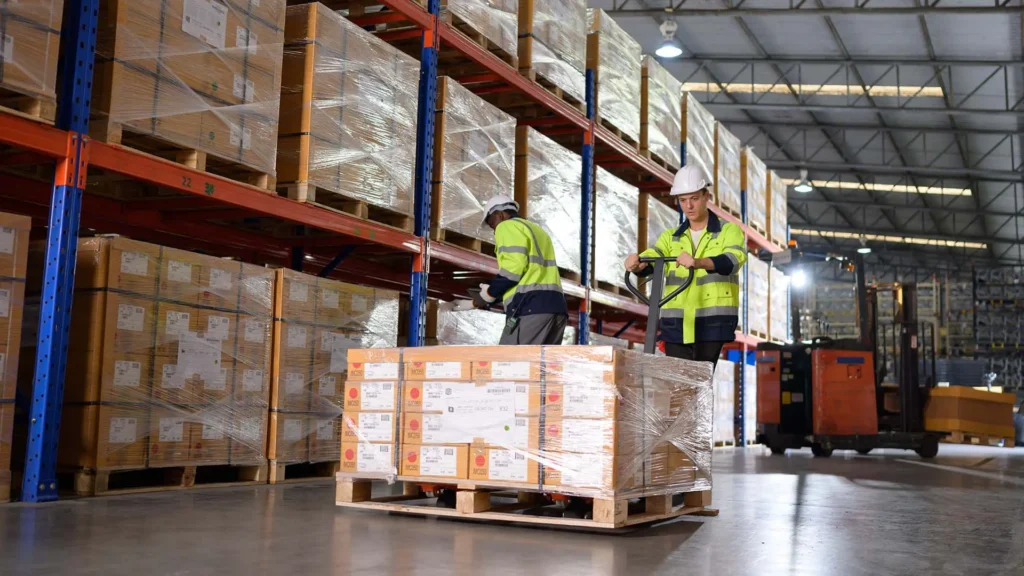
- warehouse coordination
- transportation planning
If even one part is handled poorly, delays start building quickly. That is why experienced freight partners matter so much in international shipping.
How the Global Freight Forwarding Process Works
Let’s understand how freight forwarding works on an ongoing basis by following the shipment step by step.
Shipment Planning and Booking
Most shipping problems do not begin during transportation. They begin much earlier.
Before cargo moves, freight forwarders review:
- shipment size
- destination country
- delivery deadlines
- transportation options
- customs requirements
A business shipping urgent electronics may choose air freight because speed matters more than cost. Another company moving large manufacturing equipment may prefer ocean freight to reduce expenses.
Your early planning decisions affect everything that comes after. And here is where many businesses underestimate the complexity of international logistics.
Documentation and Compliance
International shipping involves documents like:
- bill of Lading
- commercial invoice
- packing list
- customs declarations
If even one detail is inconsistent across those documents, customs clearance can slow down quickly.
That delay affects warehouse scheduling, delivery timelines, inventory planning, and sometimes even customer relationships.
Many businesses assume freight forwarding starts at the port. In fact, some of the most expensive shipping mistakes happen during documentation and cargo preparation.
Once documentation is prepared, cargo moves toward transportation.
Cargo Consolidation and Transportation
Freight forwarders often use cargo consolidation, also called LCL (Less than Container Load), to help smaller businesses reduce international shipping costs. This process is called cargo consolidation.
For businesses using small e-commerce international freight forwarding services, this can make international shipping much more affordable.
This is more helpful for smaller e-commerce brands that may not ship enough cargo to fill entire containers on their own.
As the volume of orders increases, shipping costs can become difficult to control without consolidation.
Customs Clearance and Final Delivery
Cargo reaches the destination country, customs teams review documents, duties are calculated, and inspections may happen if something looks incorrect or incomplete.
Sometimes clearance happens quickly. Occasionally, shipments sit longer than expected because one small detail needs clarification.
After customs approval, cargo moves to warehouses or local transportation providers before final delivery. Visibility gaps often happen during these handoffs between multiple logistics partners.
In real operations, customs delays are not always caused by major compliance issues. Sometimes a simple mismatch between invoice details and cargo labels is enough to create delays.
Which Businesses Benefit Most From Freight Forwarding
A lot of people assume freight forwarding is only for massive global corporations. That is not really true anymore.
Today, freight forwarding supports:
- manufacturers
- import/export companies
- e-commerce brands
- retail distributors
- procurement teams
- growing supply chain businesses
The B2B freight forwarding market continues to grow as more businesses expand into international trade.
FIATA notes that freight forwarders plays an important role in helping global trade move efficiently across borders through coordination of transportation and logistics support.
Freight Forwarding for Small eCommerce Businesses
Small e-commerce businesses face a different kind of pressure.
Customers expect fast delivery updates. Inventory moves quickly. Margins are tighter. And delays immediately affect customer trust.
This explains why demand for small e-commerce international freight forwarding services continues to increase.
Imagine an e-commerce seller importing electronics from China into the United States. Without logistics coordination, they may struggle with:
- supplier communication
- inconsistent shipping costs
- customs paperwork
- delayed deliveries
- limited tracking visibility
A freight forwarder helps simplify those moving parts into one coordinated shipping process.
That does not just reduce stress. It also gives growing businesses more control as they scale internationally.
Different Types of Freight Forwarding Services
Different shipments call for different transportation strategies.
Air Freight Forwarding
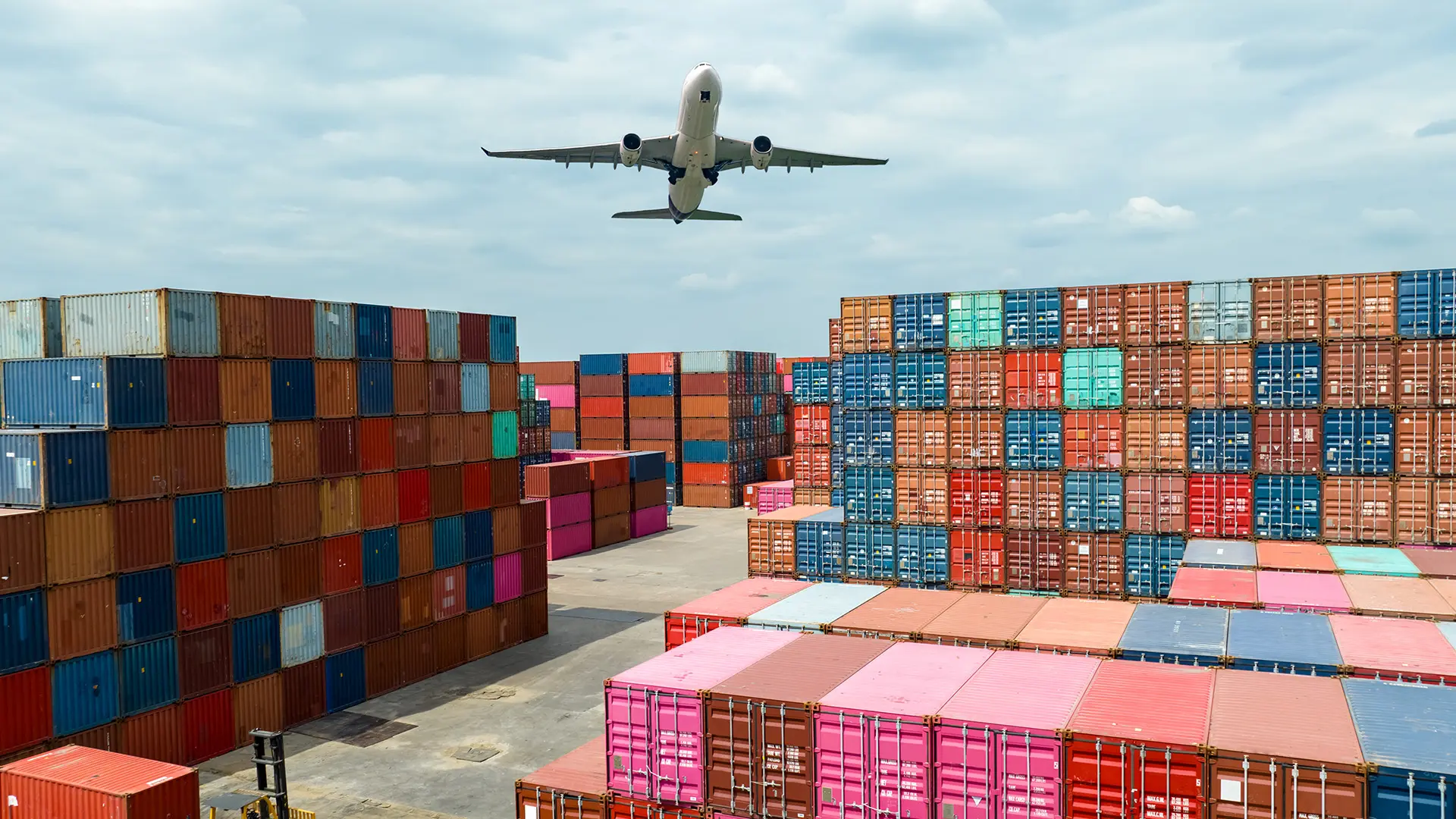
An international air freight forwarder helps businesses move goods quickly across global markets.
Air freight is commonly used for:
- urgent inventory
- electronics
- medical products
- time-sensitive shipments
The biggest advantage is speed. But air freight also costs more, especially when the cargo is large or heavy. Dimensional weight pricing can increase costs faster than many businesses expect.
Ocean Freight Forwarding
Ocean freight is slower, but usually much more cost-effective for larger shipments.
Businesses commonly use it for:
- bulk inventory
- manufacturing materials
- machinery
- retail stock
For many companies, ocean freight becomes the more practical option for long-term global shipping operations.
International Air Freight Services in the USA
The U.S. remains one of the largest logistics markets in the world.
Major hubs such as Los Angeles, Chicago, Miami, and New York handle tremendous amounts of international cargo on a daily basis.
Businesses searching for international air freight forwarder services in the USA usually look for:
- faster shipping timelines
- customs expertise
- reliable tracking
- strong carrier access
- warehouse coordination
Regulations are also a big factor.
Agencies such as U.S. Customs and Border Protection (CBP) manage import compliance and customs requirements that businesses must follow carefully.
Why Businesses Use Freight Forwarding Services
At some point most growing businesses realize international shipping is not only about transportation. It is about coordination.
Freight forwarders help businesses:
- reduce shipping complexity
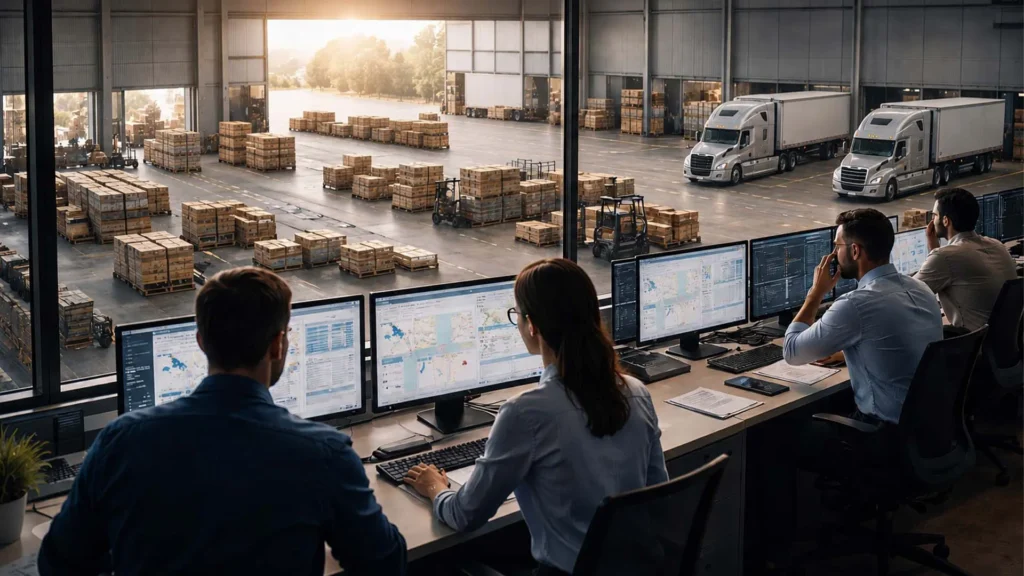
- improve shipment visibility
- manage customs compliance
- lower documentation risks
- coordinate multiple logistics providers
- scale international operations more smoothly
That operational clarity becomes far more valuable once shipments start moving regularly across borders.
How to Choose the Right Freight Forwarding Partner
Not every freight provider offers the same level of support.
Some mainly focus on transportation. Others help businesses actively manage logistics risks before problems happen.
When choosing a freight forwarder, businesses should look for:
- industry experience
- communication quality
- pricing transparency
- shipment visibility systems
- global network strength
- customs expertise
A reliable logistics partner should make international shipping feel more manageable, not more confusing.
Conclusion
It may look simple from the outside. A shipment leaves one place and arrives somewhere else. But behind that movement, a lot is happening all at once. Documents need to be accurate. Customs needs to clear the cargo. Warehouses, carriers, and delivery teams all need to stay aligned.
That is why businesses using International Freight Forwarding Services usually want more than transportation support. They want fewer disruptions, better visibility, and more confidence every time a shipment moves across borders.
As global trade keeps growing, strong logistics coordination becomes less of an advantage and more of a necessity. Instico Logistics helps businesses simplify global shipping with practical freight solutions built for growing international operations.
FAQs
What documents are required for air freight shipping?
The most critical document is the Air Waybill (AWB), which acts as a receipt and a contract. You will also need a Commercial Invoice, a Packing List, and potentially a Certificate of Origin depending on the destination.
Is air freight suitable for perishable or fragile goods?
Yes, it is the preferred method for these items. The shorter transit time reduces the risk of spoilage for perishables, and the reduced handling compared to sea shipping makes it safer for fragile items.
Is air freight more expensive than sea or road shipping?
Generally, yes. Air freight charges are higher because of fuel costs and the limited capacity of aircraft. However, you can often save money on insurance and warehousing, which offsets some of the initial costs.
What is the difference between air cargo and air courier services?
Air courier is typically “door-to-door” and handles smaller parcels with all-in-one pricing. Air cargo is usually “airport-to-airport” for larger shipments and requires a freight forwarder to manage the “last mile” and customs.
Can small businesses use air freight services?
Absolutely. Many small businesses use air freight to maintain low inventory levels and respond quickly to customer demand without needing a massive warehouse.