Rising delivery expectations in today’s market have made fast and reliable shipping a key business priority. Companies are now under pressure to improve speed, accuracy, and customer experience across every order.
Delays or inconsistent deliveries can lead to lost customers, higher costs, and weaker brand trust. This is where final-mile delivery plays a critical role in the overall supply chain.
Choosing the right final mile delivery partner ensures better control over delivery performance, improved efficiency, and stronger customer satisfaction. In a competitive market, even small delays can directly impact retention and long-term growth.
What is Final Mile Delivery and Why It Matters
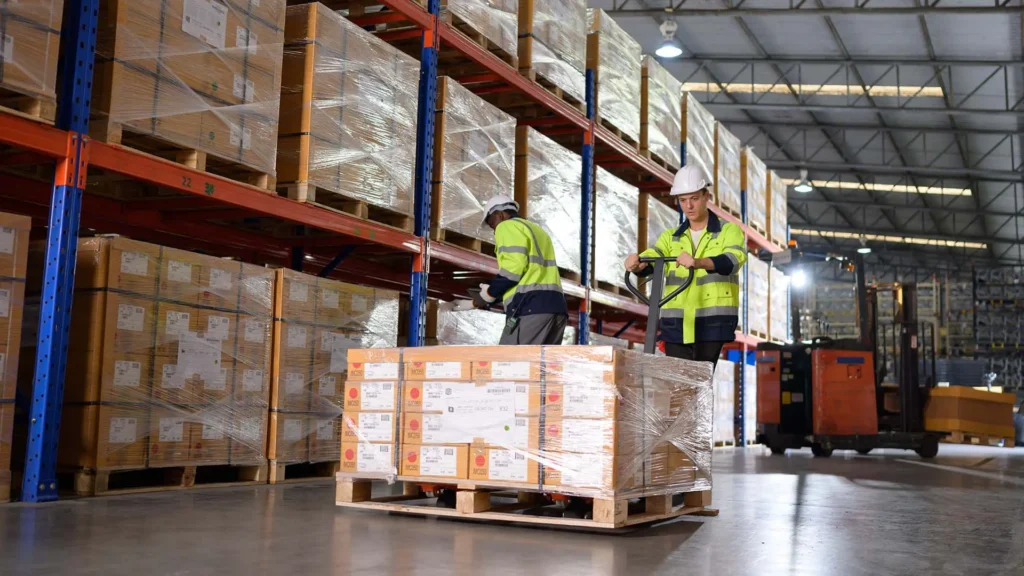
So, what is final mile delivery? It is the final step in the shipping process, in which a package moves from a local warehouse or distribution center to the customer’s doorstep.
Usually, the process is simple: warehouse to distribution hub to local carrier to customer.
This last stage of final mile deliveries is where the customer actually experiences your service. Even if everything earlier in the process goes smoothly, this final step can shape how the customer feels about the entire order.
That’s also why most delivery issues tend to show up here: delays, missed deliveries, or lack of updates. When this stage works well, customers feel confident and are more likely to order again.
Why Choosing the Right Final-Mile Delivery Partner is Critical
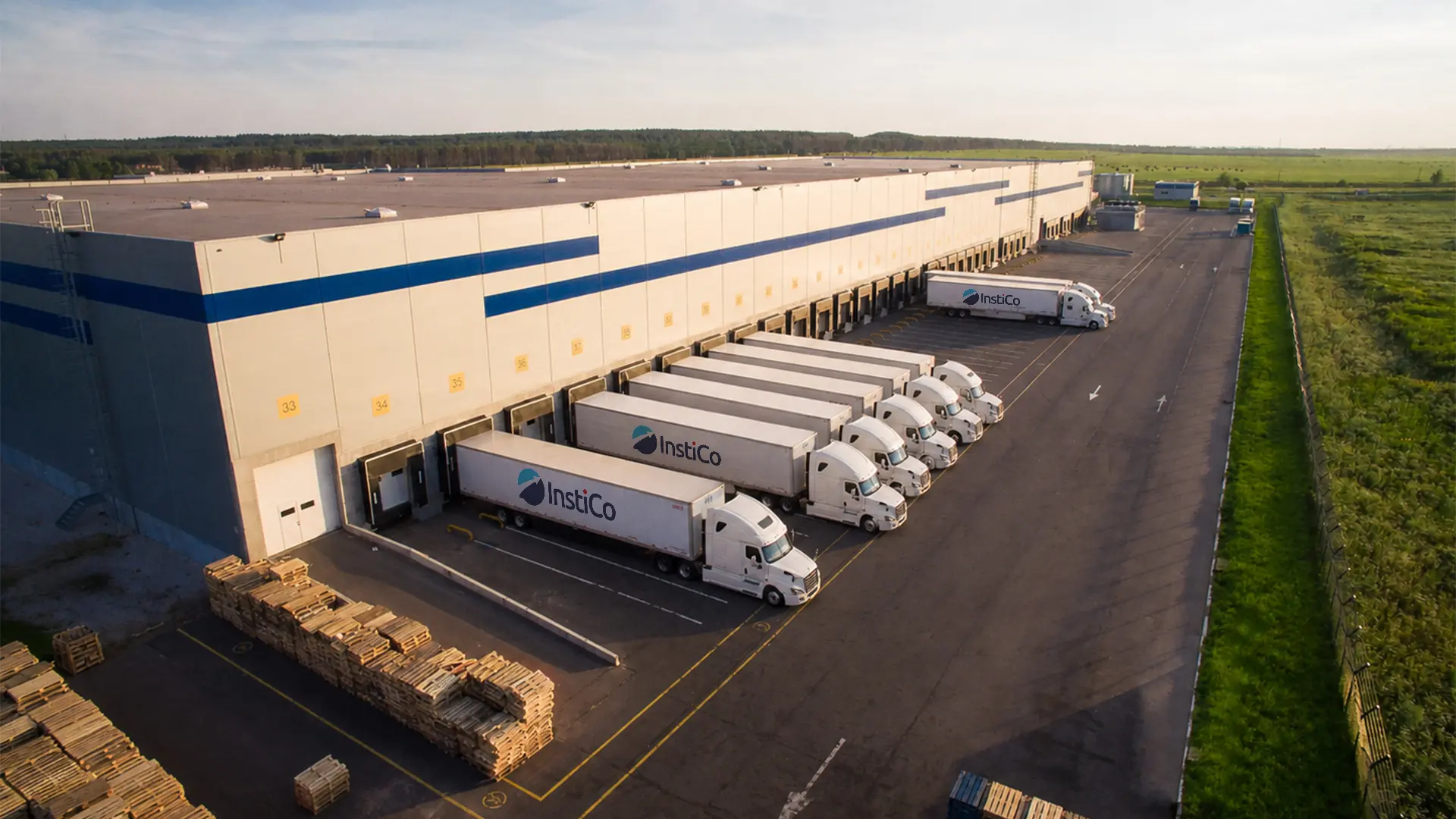
Businesses that choose the wrong final mile delivery partner often face inconsistent performance, higher operational costs, and lower customer retention over time.
And a reliable partner helps improve customer satisfaction by ensuring orders arrive as expected. This reduces complaints and improves the chances of repeat purchases. It also impacts cost control. If delivery planning is done poorly, it can result in delays, multiple trips, and higher expenses.
As a result, in competitive markets like e-commerce and retail, dependable delivery can also give your business an advantage. Customers often choose brands that deliver faster and more reliably.
Key Factors to Consider When Selecting a Last-Mile Delivery Partner
There are a few things to keep in mind when picking a final-mile delivery partner.
Delivery Speed and Coverage
Check to see if the provider has delivery options that are suitable for you. This may include same-day, next-day, or scheduled deliveries. Coverage is equally important, especially if your customers are spread across different regions.
Technology and Tracking Capabilities
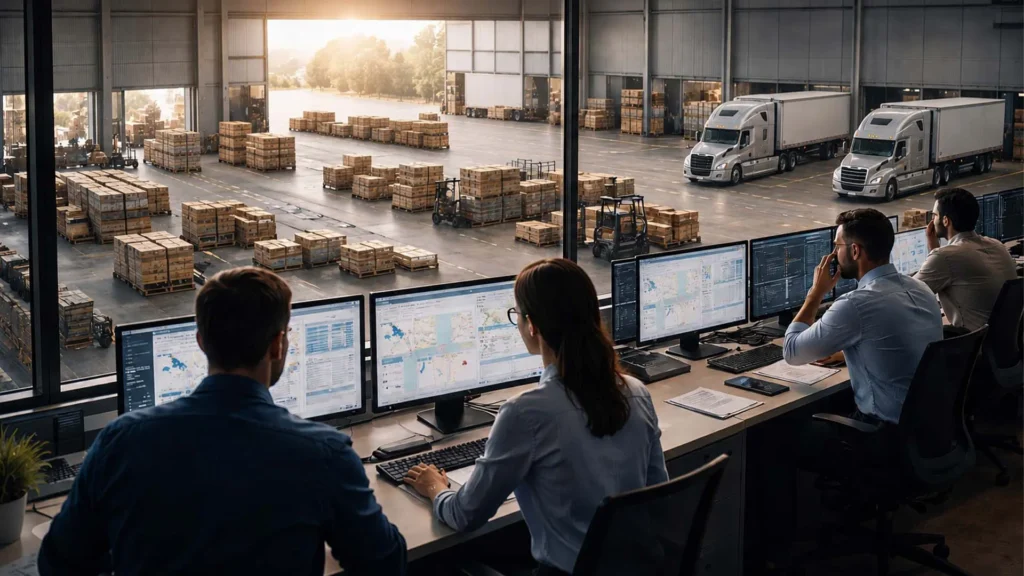
Tracking is now a basic expectation. Customers want to know where their order is and when it will arrive. A supportive provider gives real-time updates and good visibility along the way.
Scalability and Flexibility
Your delivery needs may grow over time. A strong partner should be able to handle higher volumes during peak periods while maintaining service quality. Flexibility also helps when managing different delivery types.
Cost Structure and Pricing Transparency
Clear pricing helps you plan better. Look for providers that are upfront about costs and avoid hidden charges. This makes it easier to manage your delivery budget over time.
Types of Final Mile Delivery Services
Not all deliveries work the same way, which is why different service types exist. Standard delivery is used for everyday shipments where timing is not urgent. For faster needs, same-day or express delivery options are often used when speed matters more.
Some products require extra care. That’s where white-glove delivery comes in, usually for large, fragile, or high-value items that need careful handling and sometimes setup. Most businesses choose a mix of these final-mile delivery options depending on what they sell and what their customers expect.
Common Challenges in Final Mile Deliveries
There are a few common challenges in managing final-mile deliveries.
High Delivery Costs
Fuel, labor, and inefficient routing can drive up costs. Without proper planning, these expenses can have an impact on overall profit margins. High cost often reduces profit margin and limits scalability.
Failed Deliveries and Returns
Missed deliveries are another issue. This leads to repeated tries and delays if customers are not available. This adds both time and cost. Failed deliveries can increase reattempt costs and customer frustration.
Urban Logistics and Traffic Constraints
Traffic and access restrictions can make delivery to busy areas difficult. Such factors may slow down operations and decrease efficiency. Traffic issues may directly affect on-time delivery performance.
How to Evaluate Final Mile Delivery Companies
When comparing providers, start with service-level agreements. These outline what the delivery timelines and expectations actually are, so there are no surprises later. It is also helpful to look at performance history, things like on-time delivery rates and how often issues happen. This gives a clearer picture of reliability.
Most businesses also compare a few providers before deciding. It helps them understand which one offers the right balance between cost, service quality, and coverage. Some companies also consider specialized providers like Final-Mile Delivery LLC services, depending on their specific needs.
Role of Technology in Final Mile Delivery Optimization
Technology plays a major role in improving final-mile delivery efficiency.
Route Optimization Tools
These tools help drivers choose faster and more efficient routes. This reduces delays and lowers fuel costs.
Automation and AI in Logistics
Automation supports better planning and reduces manual work. It helps manage deliveries more accurately and at a larger scale.
Customer Communication Systems
Keeping customers informed is important. Notifications and updates help reduce confusion and improve the delivery experience.
Tips to Improve Your Final Mile Delivery Strategy
Improving your final mile delivery strategy does not have to be complicated.
- Working with a reliable delivery partner is the foundation of a strong delivery system.
- Using tracking tools helps you stay updated and gives customers better visibility.
- Planning routes properly can reduce delays and lower overall costs.
- Keeping customers informed throughout the process also improves satisfaction.
- Finally, reviewing delivery performance regularly helps you identify issues early and improve over time.
These steps can assist in making the process smoother and more reliable.
Conclusion
The final step of delivery has a direct impact on customer trust and long-term business performance. A dependable final mile delivery partner ensures consistent service, fewer delays, and stronger customer retention.
On the other hand, poor delivery execution can quickly lead to lost customers, higher costs, and damage to brand reputation.
In today’s competitive market, businesses that invest in reliable final-mile delivery gain a clear advantage over those that don’t, especially in customer retention and long-term growth.
FAQs
What documents are required for air freight shipping?
The most critical document is the Air Waybill (AWB), which acts as a receipt and a contract. You will also need a Commercial Invoice, a Packing List, and potentially a Certificate of Origin depending on the destination.
Is air freight suitable for perishable or fragile goods?
Yes, it is the preferred method for these items. The shorter transit time reduces the risk of spoilage for perishables, and the reduced handling compared to sea shipping makes it safer for fragile items.
Is air freight more expensive than sea or road shipping?
Generally, yes. Air freight charges are higher because of fuel costs and the limited capacity of aircraft. However, you can often save money on insurance and warehousing, which offsets some of the initial costs.
What is the difference between air cargo and air courier services?
Air courier is typically “door-to-door” and handles smaller parcels with all-in-one pricing. Air cargo is usually “airport-to-airport” for larger shipments and requires a freight forwarder to manage the “last mile” and customs.
Can small businesses use air freight services?
Absolutely. Many small businesses use air freight to maintain low inventory levels and respond quickly to customer demand without needing a massive warehouse.