Reliable shipping systems are very important for trade around the world. Businesses looking to reduce shipping delays and control freight costs need a more structured approach to ocean freight management. With reliable support, businesses stay organized, reduce risks, and improve overall international shipping performance and supply chain efficiency.
What is Ocean Freight Management and Why It Matters
Ocean freight management is the process of planning, booking, tracking, and controlling shipments that move by sea. It ensures that goods are delivered on time and within budget. A well-managed process improves logistics coordination, cargo flow, and freight planning. It also helps organizations make better decisions and avoid unnecessary delays.
Key Challenges in Ocean Freight Management for Efficient Shipping
There are several operational challenges associated with ocean shipping that can impact delivery timelines and costs. Understanding these challenges helps businesses plan better and avoid disruptions. Businesses can better plan and avoid problems if they are aware of these issues.
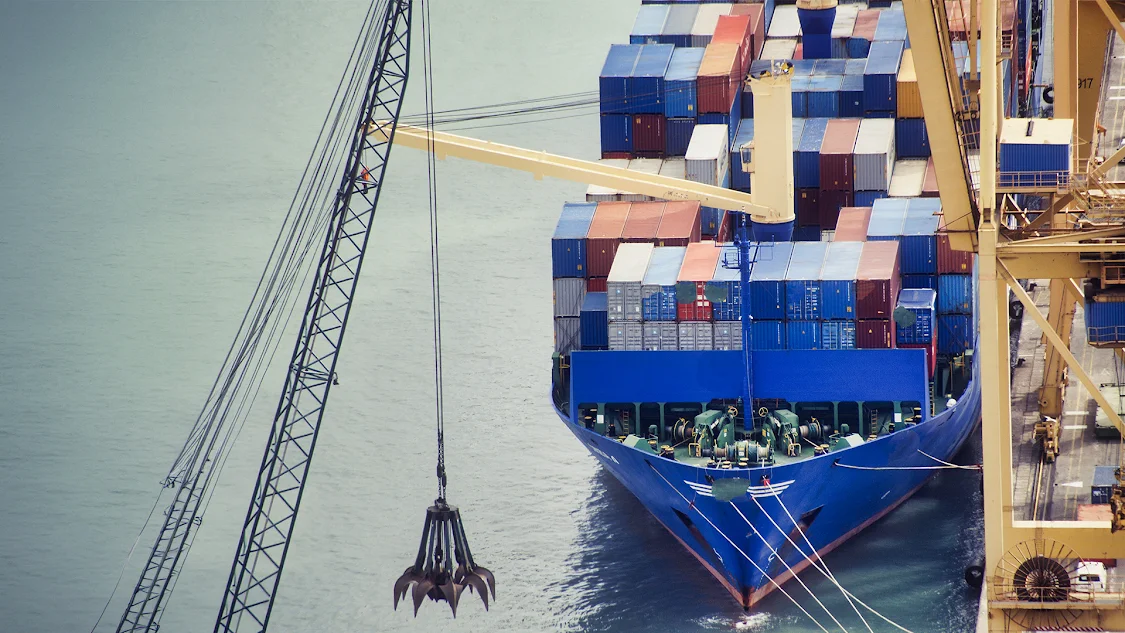
Port Congestion and Delays- Busy ports frequently cause shipment delays and increase waiting times. This can result in higher storage costs and missed delivery deadlines.
Capacity Constraints and Rate Volatility- Limited cargo space and changing freight rates make it harder to plan shipments. Businesses often struggle with carrier availability and freight cost fluctuations.
Documentation and Compliance Issues- Shipping requires reliable paperwork. Errors can cause delays or additional costs. Managing customs documentation and trade compliance helps prevent issues.
Overall, these challenges make it clear that businesses need better planning and control to maintain smooth shipping operations.
Core Ocean Freight Management Best Practices for Efficient Shipping
To effectively manage ocean freight, businesses need clear planning, consistent processes, and strong coordination. The following best practices support reliable and efficient ocean freight operations:
Effective Carrier and Route Selection- Choosing reliable carriers improves delivery performance and reduces delays. Optimizing routes helps minimize transit time and overall shipping costs. Carrier performance tracking and route analysis enable businesses to make smarter, data-driven decisions.
Allocation Management in Ocean Freight Logistics – Allocation management ensures that businesses secure cargo space in advance, especially during peak seasons. Proper planning helps avoid last-minute disruptions and supports accurate shipment forecasting.
Shipment Visibility and Tracking- Real-time tracking helps logistics teams identify delays early and take corrective action before they impact delivery schedules. Better visibility enhances shipment tracking, cargo monitoring, and supply chain transparency.
Risk Management and Contingency Planning- Weather issues, port delays, or operational problems are common risks. These risks can disrupt shipments at any time. Planning ahead with logistics risk management and backup options helps reduce these risks while also maintaining operations.
In short, implementing these best practices supports businesses in increasing efficiency and maintaining control over their shipping process. Many logistics providers now use digital tracking systems to improve shipment visibility.
Ocean Freight Audit Management and Cost Control
Managing freight costs is a critical part of efficient shipping operations. Without proper checks, billing errors and hidden charges can quickly increase overall expenses. Below are the key areas to focus on for better cost control:
Ocean Freight Audit Management Processes
- Ocean freight audit management- focuses on checking freight invoices for accuracy. This means checking rates, fees, and shipping information. This process improves billing accuracy and reduces errors in freight costs.
Freight Audit and Payment Best Practices- Following freight audit and payment best practices ensures that businesses only pay valid charges. Key steps include invoice verification, contract matching, and automated auditing processes. These practices enhance cost control and payment accuracy.
Improving Cost Transparency- Clear reporting and analytics help businesses understand their spending and identify opportunities for cost savings. Logistics analytics and cost visibility tools improve financial planning and decision-making capabilities.
Overall, strong audit processes help businesses control costs and avoid unnecessary expenses. Beyond cost control, businesses must also improve how they manage export operations.
Freight Forwarding Best Practices for Exporters
Exporting goods involves multiple steps, stakeholders, and regulatory requirements. Without a structured process, it can quickly become complex and lead to delays or additional costs. Adopting best practices helps exporters manage shipments more efficiently and maintain consistency.
Choosing the Right Freight Forwarder- A reliable freight forwarder handles bookings, documentation, and coordination. Selecting the right partner is essential for smooth and efficient shipping operations. Following freight forwarding best practices for exporters leads to better service and fewer delays.
Documentation Accuracy and Compliance- Accurate paperwork is critical in international shipping. Errors can lead to delays or penalties. Focusing on export documentation and regulatory compliance can help prevent these problems.
Optimizing Shipping Schedules and Costs- Planning shipments in advance allows businesses to secure better rates and avoid delays. Effective scheduling and cost optimization strategies improve overall efficiency. In simple terms, the right partner and proper planning make exporting more reliable and cost-effective.
Managing Refrigerated Freight in the Supply Chain
Refrigerated freight, often called cold chain logistics, is critical for products that must stay within a specific temperature range. Even small temperature changes can affect quality, safety, and compliance. Managing this type of freight demands careful planning, monitoring, and coordination at every step.
Temperature Control and Monitoring- Temperature-sensitive goods require constant monitoring during transport. Following best practices for managing refrigerated freight in the supply chain helps maintain product quality. This supports effective temperature control and cold chain monitoring.
Handling and Storage Requirements- Proper handling is important at every stage, from loading to delivery. Any temperature change can affect product quality. Cold chain logistics and temperature-controlled storage help maintain product quality and safety.
Reducing Risks in Reefer Shipments- Refrigerated shipments are more sensitive to delays and equipment issues. Without proper monitoring, products can spoil. Strong planning and tracking improve reefer shipment safety and reduce potential losses.
In summary, the proper management of refrigerated freight helps protect goods and maintain customer trust.
Tips to Improve Efficiency in Ocean Freight Shipping
Ocean freight plays a major role in global trade, but it can become slow and costly without the right approach. To improve efficiency, businesses should focus on early planning, real-time tracking, accurate documentation, and regular cost audits.
Using logistics efficiency strategies, freight optimization, and supply chain improvement methods delivers better results.
Conclusion
With structured ocean freight management best practices, businesses can reduce risks, control costs, and improve delivery timelines, making ocean freight shipping more manageable. By improving visibility, planning, and cost control, businesses can build a more reliable and cost-effective shipping process that supports long-term growth.
Take control of your ocean freight operations with a more structured and reliable approach. Improve visibility, reduce delays, and build a shipping process that supports long-term growth.
FAQs
What documents are required for air freight shipping?
The most critical document is the Air Waybill (AWB), which acts as a receipt and a contract. You will also need a Commercial Invoice, a Packing List, and potentially a Certificate of Origin depending on the destination.
Is air freight suitable for perishable or fragile goods?
Yes, it is the preferred method for these items. The shorter transit time reduces the risk of spoilage for perishables, and the reduced handling compared to sea shipping makes it safer for fragile items.
Is air freight more expensive than sea or road shipping?
Generally, yes. Air freight charges are higher because of fuel costs and the limited capacity of aircraft. However, you can often save money on insurance and warehousing, which offsets some of the initial costs.
What is the difference between air cargo and air courier services?
Air courier is typically “door-to-door” and handles smaller parcels with all-in-one pricing. Air cargo is usually “airport-to-airport” for larger shipments and requires a freight forwarder to manage the “last mile” and customs.
Can small businesses use air freight services?
Absolutely. Many small businesses use air freight to maintain low inventory levels and respond quickly to customer demand without needing a massive warehouse.