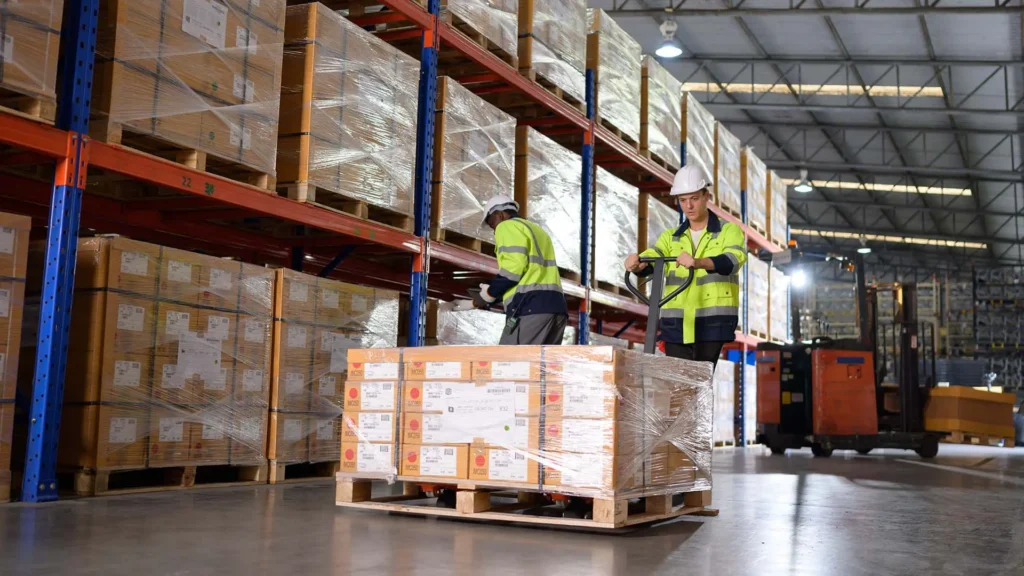
Less-than-truckload shipping is often priced by space utilization and shipment density, not just weight. For plastic manufacturers and distributors who ship palletized freight, bad pallet layouts can quickly raise shipping costs. When pallets cube out a trailer before it reaches the maximum weight, companies have to pay for space that isn’t used.
This is where pallet optimization becomes essential. Shippers can make the most of trailer space while keeping products stable by changing the way pallets are arranged and stacked and by adjusting freight density.
Lightweight plastic items like containers, parts, or packaging often lead to shipments with low density. Businesses can lower their overall shipping costs and avoid higher freight classes by optimizing the way their pallets are set up.
This guide explains practical pallet optimization strategies to improve LTL shipping efficiency and increase freight density.
Why Plastics Shipments Often Cube Out in LTL Freight
Plastic items are usually heavy but not large in size. This can complicate pricing for LTL freight shipments.
Carriers look at both the weight and the size of shipments when they decide how much to charge. When plastic products occupy more space than their weight justifies, shipments can fill a trailer before reaching the weight limit. In the freight industry, carriers call this “cubing out.”
Some common reasons why plastic shipments cube out are the following:
- Low weight of the product compared to its volume
- Inefficient ways to stack pallets
- Bad pallet setup
- Too much empty space in the packaging
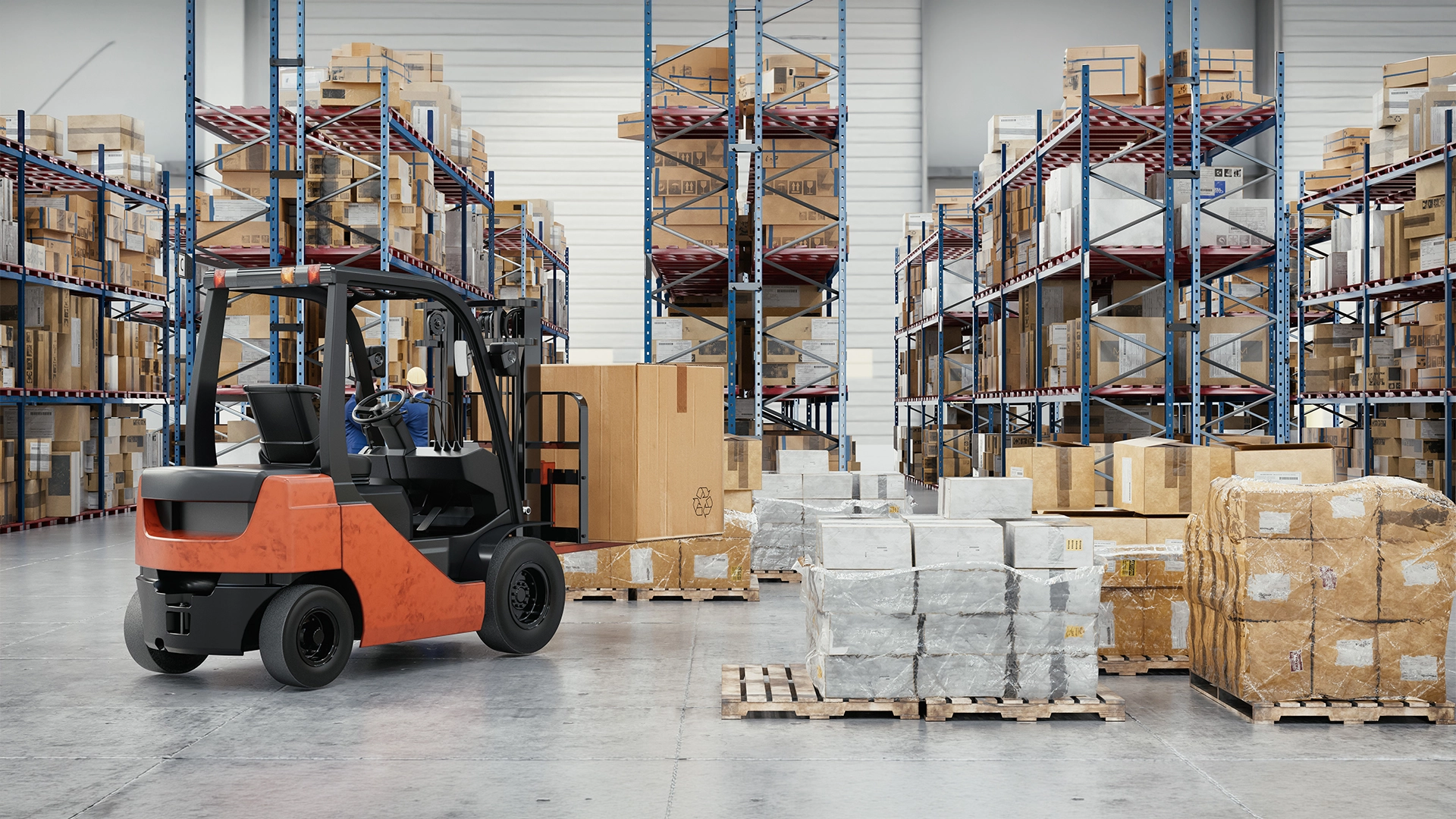
When this happens, shippers may get a higher freight class density rating, which makes shipping more expensive.
Better pallet optimization can help businesses ship more goods per pallet and lower the cost per unit by increasing freight density.
Understanding Freight Density and Freight Class in LTL Shipping
LTL carriers often calculate shipping rates using density freight class calculations.
To find the freight density, divide the shipment’s weight by the total cubic space it takes up. Carriers assign a higher freight class to items with a lower density.
In general, higher freight classes mean higher shipping costs.
For plastic shipments, improving density can significantly reduce costs by:
- Adding weight to each pallet
- Cutting down on empty space
- Making pallet stacking better
- Making the pallet layout better
Shippers who improve their freight class by density often pay less for shipping and make better use of their trailers.
Pallet Optimization Strategies for Plastic Freight
1. Make the pallet configuration better
A well-planned pallet configuration makes sure that each pallet makes the most of its height and footprint.
Some important things to do are:
- Making sure that carton sizes fit the size of the pallet
- Getting rid of product overhang
- Using pallets that are the same size
- Creating packaging that fits the size of pallets
Businesses often rely on load-planning software or pallet configurators to create efficient pallet layouts before shipping.
This cuts down on guesswork and makes sure that pallet builds are always the same.
2. Make pallet stacking better for more efficient loading
Efficient pallet stacking helps improve load stability and increases freight density. When pallets are stacked correctly, businesses can make the most of the space they have while keeping products safe during shipping.
Some important ways to stack pallets are the following:
- Putting boxes in straight vertical columns to make them stronger and less likely to break when pushed down
- Using interlocking patterns when more load stability is needed
- Keeping the boxes lined up so they don’t move around while they’re being shipped
- Avoiding uneven layers that can make the stack shorter and the pallet less stable
The type of plastic products, the strength of the packaging, and the shipping needs will all affect how you stack them. Properly stacking pallets helps shippers use them more efficiently and make better use of trailer space.
3. Design packaging to make freight denser
Packaging is a big part of how well freight works.
Making small changes to packaging can greatly increase freight density. For example:
- Using the same size boxes
- Getting rid of empty space inside boxes
- Picking stronger corrugated boxes that can hold up when stacked
- Making packaging that is specifically good for pallets
When packaging and pallet design work together, shippers can fit more pallets on a truck and save money on shipping.
4. Make the most of vertical space
Many plastic shipments waste space in vertical trailers because the pallets aren’t stacked high enough.
Businesses can ship more goods per load by safely raising the height of their pallets.
The best ways to do things are:
- Putting heavier things at the bottom of the pallet
- Making layers even to keep things stable
- Using corner protection and stretch wrap
These techniques allow stacking pallets safely while maintaining load integrity.
5. Make Pallet Builds the Same in All Facilities
If pallets are built differently in different warehouses, it can make loading trailers less efficient.
Standardizing the way pallets are set up helps:
- Make better use of trailer cubes
- Make warehouse tasks easier
- Make sure that the freight density stays the same.
- Make loading time shorter
Standardized pallet strategies can greatly improve logistics efficiency for companies that ship plastics to more than one distribution center.
Using technology for Pallet Optimization
Digital tools are becoming more and more common in modern logistics teams to help them plan pallets better.
Advanced systems can look at:
- The size of the box
- Weight of the product
- The size of the trailer
- Patterns for stacking
A pallet configurator or load optimization tool can make pallet layouts that use the most space and waste the least.
These technologies help logistics teams reduce manual planning while improving freight cost control.
The Business Consequences of Pallet Optimization
Pallet optimization gives companies that ship plastics through LTL networks clear benefits.
Some of the main benefits are:
- Less expensive LTL shipping
- More freight in a smaller space
- Better use of trailer space
- Less risk of damage to freight
- Shipping operations that are easier to plan
Even small changes to how pallets are stacked or arranged can save a lot of money when shipping a lot of them.
Conclusion
Putting boxes of plastic goods on a pallet is not enough to ship them quickly. To make sure they are using trailer space well, companies need to think about things like freight density, how pallets are stacked, and how the pallets are set up.
Shippers can lower transportation costs across LTL networks by improving their pallet optimization strategies. This will lower the density of freight classes, make loads more efficient, and lower the cost of shipping.
Over time, these changes can help manufacturers and distributors ship plastic products with lower logistics costs and run operations more efficiently.
FAQs
What documents are required for air freight shipping?
The most critical document is the Air Waybill (AWB), which acts as a receipt and a contract. You will also need a Commercial Invoice, a Packing List, and potentially a Certificate of Origin depending on the destination.
Is air freight suitable for perishable or fragile goods?
Yes, it is the preferred method for these items. The shorter transit time reduces the risk of spoilage for perishables, and the reduced handling compared to sea shipping makes it safer for fragile items.
Is air freight more expensive than sea or road shipping?
Generally, yes. Air freight charges are higher because of fuel costs and the limited capacity of aircraft. However, you can often save money on insurance and warehousing, which offsets some of the initial costs.
What is the difference between air cargo and air courier services?
Air courier is typically “door-to-door” and handles smaller parcels with all-in-one pricing. Air cargo is usually “airport-to-airport” for larger shipments and requires a freight forwarder to manage the “last mile” and customs.
Can small businesses use air freight services?
Absolutely. Many small businesses use air freight to maintain low inventory levels and respond quickly to customer demand without needing a massive warehouse.