
Chicago plays a central role in North American freight movement. In the United States,
it is the largest intermodal rail hub and one of the most important logistics gateways in the world. Because of its geographic position, Chicago connects West Coast ports to the Midwest and the East Coast.
This makes it a key interchange point for containerized freight. Goods and materials arriving by ship or long-haul rail often pass through Chicago before continuing to regional distribution centers.
In today’s transportation market, rail and truck capacity are tightly connected. When intermodal rail freight volumes increase or decrease, truckload shipping rates in the Midwest often respond. In 2026, shippers will need to know how this relationship affects cost, capacity, and service reliability.
Why Chicago Is the Core of Midwest Intermodal
Chicago is the largest intermodal rail hub in the United States and handles millions of container movements each year. It connects West Coast ports with Midwest distribution centers and brings together major rail networks in one central location.
Because Chicago connects major east–west and north–south freight routes, it supports high-volume intermodal rail service across the country.
This strong network links ports, factories, and distribution centers, helping freight move efficiently on long-haul lanes of 700+ miles.
The region’s large drayage network connects rail ramps to final destinations, so every container needs short-haul trucking. When rail intermodal volumes change, local truck capacity and truckload shipping rates across nearby states can also shift.
How Intermodal Rail Impacts Truckload Shipping Rates
The relationship between intermodal rail and truckload pricing is competitive but closely linked.
Concept of Rate Competition Between Intermodal and Truckload
Intermodal rail freight often competes with long-haul truckload transportation because rail can move large amounts of containers more quickly over long distances.
As truckload shipping rates rise, many shippers shift toward rail intermodal options to manage costs and maintain pricing balance across major freight corridors.
Market Context of Current Freight Conditions in 2026
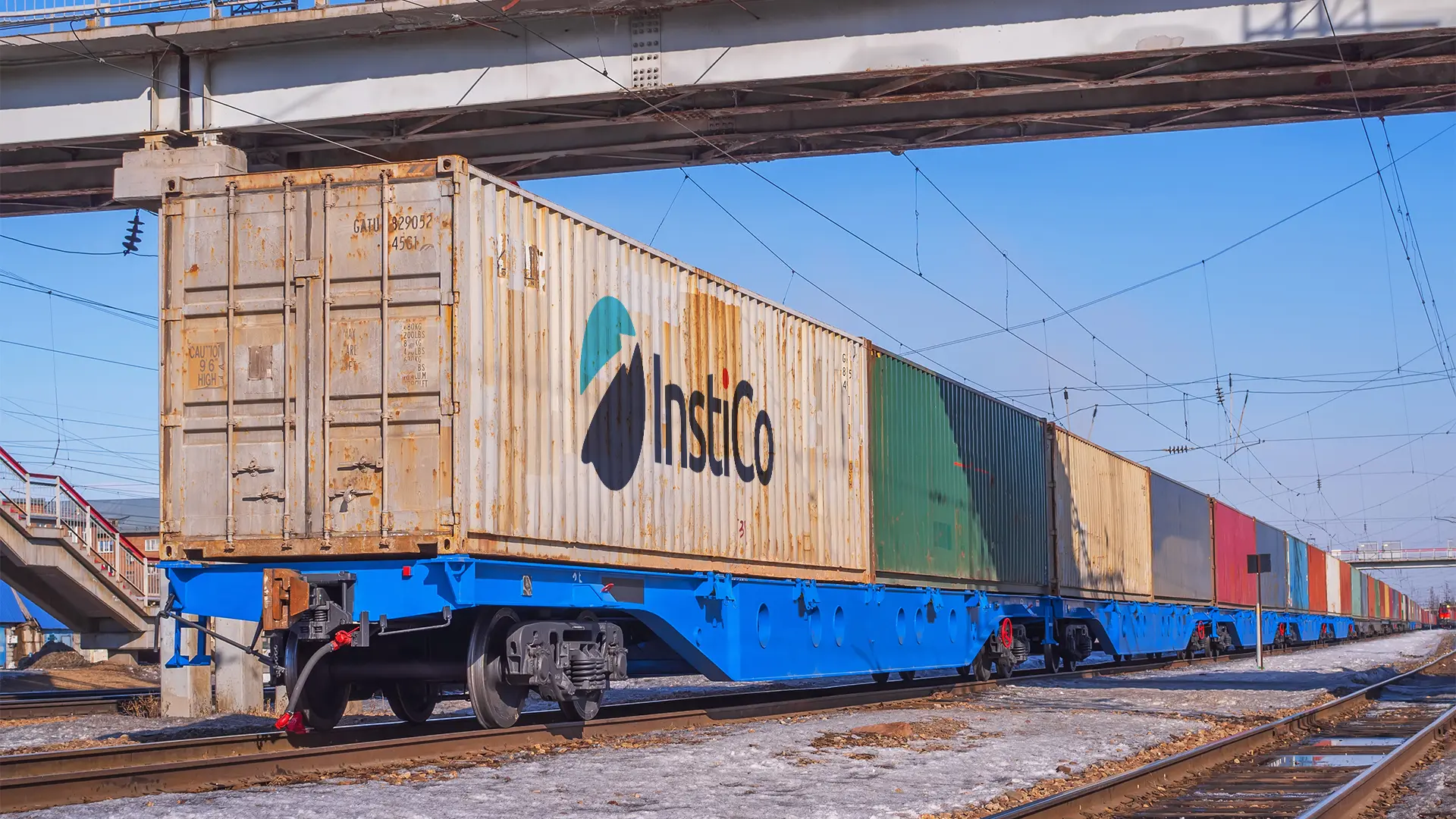
After recent changes in capacity, freight markets are changing in 2026. Truckload shipping rates are slowly going up as trucking capacity becomes tighter.
In comparison, intermodal rail freight pricing has remained steady, giving intermodal rail service a cost advantage on longer routes.
Regional Impact of Midwest Freight Market Dynamics
Because Chicago is central to the Midwest freight network, changes in rail intermodal activity frequently have an impact on trucking markets.
More intermodal rail freight can move some long-haul freight from trucks to rail and raise the demand for drayage around Chicago terminals. This could affect truckload shipping rates in the Midwest.
Chicago Rail Congestion and Its Market Impact
The Chicago scale makes things run more smoothly, but it also puts pressure on operations.
Rail congestion can occur due to:
- Higher containers
- Limits on yard space
- Disruptions caused by the weather
- Requirements for coordinating labor
- Drayage scheduling imbalances
When congestion increases:
- Containers might stay in place for longer periods.
- Availability of drayage can get tight.
- Shippers and carriers find it harder to predict truck usage.
- You may need to change the schedules for regional freight.
This congestion factor is important because it can temporarily move freight back toward truckload markets, which can change short-term rates.
Truckload Rate Changes in the Midwest
So many changing factors that affect the truckload shipping rate in the Midwest.
Changes in Demand
Seasonal demand, retail cycles, crop movements, and industrial production can swiftly alter the freight requirements for transportation.
Changes in Capacity
When carriers exit the market or reduce fleets, available truck capacity tightens. This can cause a rapid increase in spot pricing, particularly on long-haul lanes.
Weather Events
Winter storms and other seasonal problems often make spot market changes bigger, especially in Illinois and the states around it.
Fuel Price Stability
Diesel pricing trends influence carrier operating costs, which can indirectly impact truckload transport rate negotiations.
Because Chicago is central to freight flow, changes in truckload pricing are often visible first in this region before spreading across the Midwest.
When Truckload Rates Rise, Intermodal Gains Share
Truckload transport rate and intermodal pricing historically move in related cycles.
When there isn’t enough room for trucks:
- Shippers look at other ways to ship
- More people are using intermodal rail.
- Volume is moving toward rail for long-haul lanes.
Intermodal rail often sees higher demand when truck rates go up quickly because shippers want to keep costs stable.
Therefore, rail also has to contemplate how it works:
- Requirements for coordinating drayage
- Times spent at terminals
- Managing congestion
- Aligning schedules
Because of these things, intermodal and truckload transportation work together instead of replacing each other.
Rail and truck networks need to work well together to balance the freight economy in the Midwest.
Strategic Outlook for 2026
The transportation market in 2026 reflects continued modal competition.
Key expectations include the following:
- Intermodal transportation is gaining strength in the rail sector after freight market corrections
- Selective tightening in cycles of truckload capacity
- Ongoing pricing interaction between rail intermodal and truckload shipping rates
- Periodic rate change driven by supply-side constraints
Rather than replacing trucking, intermodal and rail transportation will continue functioning as balancing mechanisms within the broader freight system.
What This Means for Shippers in the Midwest
Midwest shippers can track Chicago intermodal rail activity to get a sense of how truck capacity and truckload shipping rates are likely to change in the region. Because many freight corridors go through Chicago terminals, changes in the amount of intermodal rail freight can often affect the availability of trucking in nearby states.
When shipping things a long way, it’s especially important to compare rail intermodal prices with truckload transport rate trends. Intermodal rail service can often help shippers keep their capacity in check when truck markets are tight and keep costs more stable on long-haul routes.
Comparison Table of Intermodal Rail Freight and Truckload Transportation
Factor | Intermodal Rail Freight | Truckload Transportation |
Cost Structure | Often competitive on long-haul lanes | Can rise quickly in tight markets |
Best Distance | 700+ miles | Short, regional, urgent loads |
Capacity Stability | Generally stable with scheduled service | More volatile during peak demand |
Flexibility | Requires drayage coordination | Direct point-to-point movement |
Rate Behavior | Often acts as pricing benchmark | Highly responsive to capacity shifts |
Conclusion: Chicago Remains the Freight Price Anchor
Chicago continues to shape Midwest freight markets as the largest intermodal hub in the United States. Changes in the amount of freight on railroads can affect the capacity and prices of trucks in the area.
This is an important relationship for shippers to think about when making their freight plans.
Companies that move freight across the Midwest can reduce costs and stay flexible by comparing intermodal rail with traditional trucking when market conditions change.
Looking to optimize your freight strategy? Evaluating both intermodal rail service and truckload options can help build a more efficient and cost-effective transportation network. Working with experienced logistics partners can also help identify the right modal mix to keep your supply chain reliable and competitive.
FAQs
What documents are required for air freight shipping?
The most critical document is the Air Waybill (AWB), which acts as a receipt and a contract. You will also need a Commercial Invoice, a Packing List, and potentially a Certificate of Origin depending on the destination.
Is air freight suitable for perishable or fragile goods?
Yes, it is the preferred method for these items. The shorter transit time reduces the risk of spoilage for perishables, and the reduced handling compared to sea shipping makes it safer for fragile items.
Is air freight more expensive than sea or road shipping?
Generally, yes. Air freight charges are higher because of fuel costs and the limited capacity of aircraft. However, you can often save money on insurance and warehousing, which offsets some of the initial costs.
What is the difference between air cargo and air courier services?
Air courier is typically “door-to-door” and handles smaller parcels with all-in-one pricing. Air cargo is usually “airport-to-airport” for larger shipments and requires a freight forwarder to manage the “last mile” and customs.
Can small businesses use air freight services?
Absolutely. Many small businesses use air freight to maintain low inventory levels and respond quickly to customer demand without needing a massive warehouse.