The Midwest distribution remains one of the most important freight regions in the United States. According to the Mordor Intelligence report, the area made up about 26.5% of U.S. freight brokerage revenue in 2025. This shows how important it is to domestic supply chains and regional distribution networks.
Ohio’s automotive suppliers, machinery manufacturers, and industrial equipment producers rely on fast shipping to keep their production lines running smoothly.
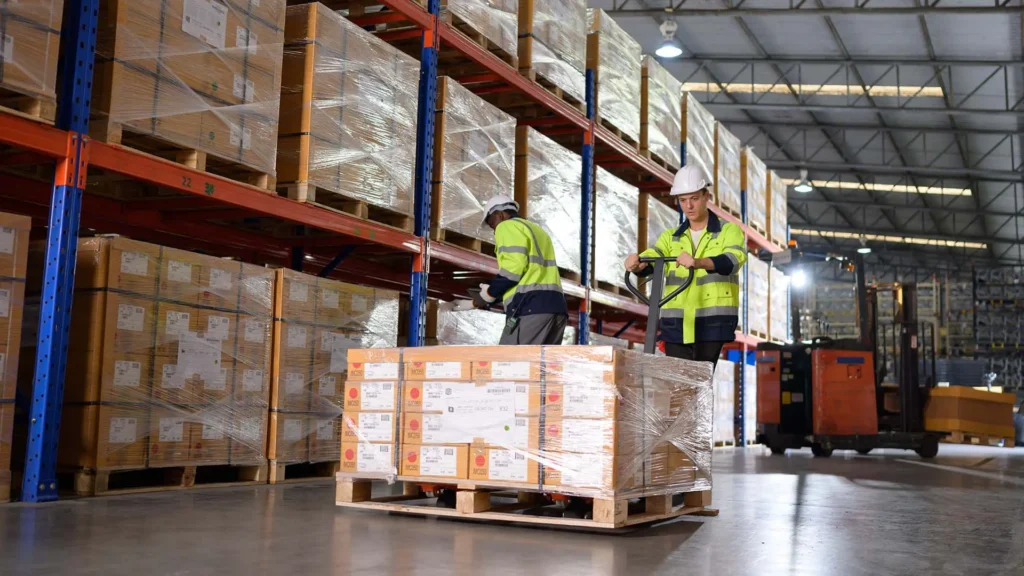
A strong Midwest distribution group strategy keeps inventory positioned close to customer demand. Based in Ohio, this strategic location makes it possible to reach multiple industrial markets within one to two days.
Why Ohio Is a Strategic Hub for Midwest Distribution
Ohio is in the middle of a number of important manufacturing and transportation routes in the Midwest. Companies can easily ship goods to markets like Michigan, Indiana, Illinois, Pennsylvania, and Kentucky from this location.
This central position allows manufacturers to build a well-organized Midwest warehouse and distribution system that supports fast regional delivery.
Key advantages include the following:
- Access to important freight passage and major highways
- Large industrial markets are close by.
- Compared to coastal distribution models, regional shipping is faster.
- Lower costs for moving a lot of freight
For companies that ship parts and finished goods frequently, this location helps manufacturers keep production schedules on track.
It also allows businesses to deliver faster service to customers across the Midwest markets.
Midwest Freight Distribution Market Share (2025)
Region | Freight Brokerage Revenue Share |
Midwest | 26.5% |
South | ~25% |
West | ~22% |
Northeast | ~18% |
The chart highlights how the Midwest dominates domestic freight movement compared with other regions.
This strong freight activity makes Ohio an ideal location for building efficient regional distribution networks.
Building a Midwest Distribution Network That Supports Manufacturing
Infrastructure investments are also strengthening logistics across the region. Industry experts think that the demand for freight rail in the Midwest could grow by about 3.4% each year until 2035. This would help goods move faster between factories, distribution centers, and large markets.
Manufacturers build strong Midwest distribution networks by combining several logistics capabilities.
Regional Warehousing and Inventory Positioning
Placing inventory near major markets allows companies to shorten delivery times while reducing the need for expensive expedited freight.
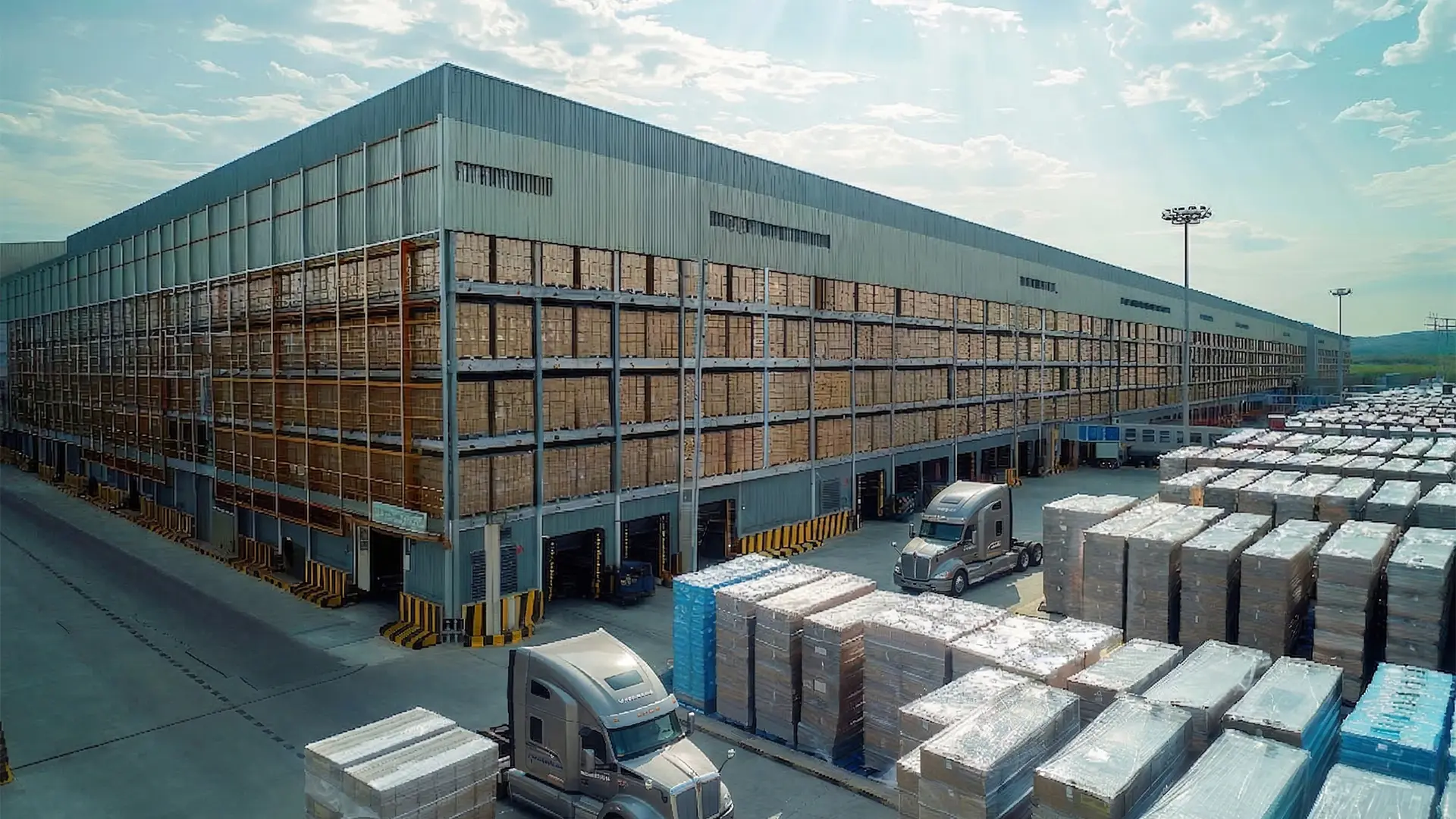
Strategic warehouses across the region help manufacturers support Midwest parts distribution programs that deliver components to factories, distributors, and customers quickly.
This method makes sure that:
- Processing orders more quickly
- Less stock for safety
- Goods will be available more reliably.
- Shipping is cheaper
Manufacturers build strong Midwest distribution networks by combining multiple logistics capabilities. These systems work together to move freight more efficiently.
Reliable Freight Transportation Across Midwest Lanes
Manufacturers that ship large amounts of freight need transportation they can rely on to keep goods moving smoothly.
A balanced transportation strategy typically includes:
- Full truckload (FTL) shipping for direct factory-to-warehouse moves
- Less-than-truckload (LTL) shipping for smaller or mixed shipments
- Intermodal transportation for cost-efficient long-distance freight
This combination supports flexible Midwest distributing operations, ensuring freight moves quickly without unnecessary delays.
Cross-Docking and Transloading for Faster Distribution
Many manufacturers use cross-dock facilities to speed up freight movement between suppliers, warehouses, and distribution centers.
In a typical Midwest parts-distribution system, freight first arrives at a regional facility. The team then sorts the shipments based on where each order needs to go.
This process:
- Reduces storage time
- Speeds up product movement
- Keeps inventory flowing through the supply chain
Cross-dock operations are especially useful for manufacturers supplying parts to multiple factories across the Midwest.
The Role of Technology in Midwest Distribution Systems
Companies use analytics tools, warehouse systems, and transportation management platforms to track shipments and monitor inventory.
With these tools, companies gain:
- Real-time shipment tracking
- Inventory visibility across multiple facilities
- Performance dashboards for logistics operations
- Data-driven route planning and scheduling
These insights help businesses improve their distribution plans for the Midwest while keeping service levels the same.
Supporting Automotive and Industrial Supply Chains
For production lines to work, suppliers in the area need to deliver parts on time. Even small delays can make things go wrong and cost more.
Efficient Midwest parts distribution programs help deliver materials on time and keep production lines running smoothly. They also support just-in-time manufacturing and reduce the need to store extra inventory.
A well-planned logistics network also helps manufacturers quickly adjust to changes in demand, production schedules, and market conditions.
How Integrated Logistics Improves Midwest Distribution
- Connects transportation, warehousing, and inventory management into one coordinated system.
- Streamlines freight planning and execution, which reduces delays.
- Improves shipment visibility and tracking across regional routes.
- Helps companies get to customers in the Midwest in one to two days.
- Strengthens Midwest parts distribution by supporting timely delivery to production lines.
- Enhances communication between suppliers, warehouses, and carriers.
- Builds a more efficient and scalable Midwest warehouse & distribution system.
- Supports long-term growth in Midwest distributing networks.
Strengthening Midwest Distribution with Strategic Logistics Partnerships
Manufacturers that want to grow across the Midwest often work with logistics partners who know the region well.
Efficient Midwest parts distribution programs help deliver materials on time, support just-in-time production, and reduce the need for excess inventory storage.
With the right logistics partner, companies can build a scalable Midwest warehouse & distribution system that grows with their business.
Conclusion: Smarter Midwest Distribution Strategy
Ohio manufacturers have a large edge when logistics solutions arrive. Businesses can reach most markets in the Midwest in one to two days if they have the right plan. This will keep their supply chain running smoothly.
Manufacturers can build a strong distribution system by using regional warehouses and well-planned freight transportation.
Cross-dock operations also help move products quickly between facilities and delivery routes.
Working with experienced logistics professionals can make all the difference in improving your business with the Midwest distribution network.
Ready to improve your Midwest freight strategy? Explore the logistics solutions that help simplify your freight operations.
FAQs
What documents are required for air freight shipping?
The most critical document is the Air Waybill (AWB), which acts as a receipt and a contract. You will also need a Commercial Invoice, a Packing List, and potentially a Certificate of Origin depending on the destination.
Is air freight suitable for perishable or fragile goods?
Yes, it is the preferred method for these items. The shorter transit time reduces the risk of spoilage for perishables, and the reduced handling compared to sea shipping makes it safer for fragile items.
Is air freight more expensive than sea or road shipping?
Generally, yes. Air freight charges are higher because of fuel costs and the limited capacity of aircraft. However, you can often save money on insurance and warehousing, which offsets some of the initial costs.
What is the difference between air cargo and air courier services?
Air courier is typically “door-to-door” and handles smaller parcels with all-in-one pricing. Air cargo is usually “airport-to-airport” for larger shipments and requires a freight forwarder to manage the “last mile” and customs.
Can small businesses use air freight services?
Absolutely. Many small businesses use air freight to maintain low inventory levels and respond quickly to customer demand without needing a massive warehouse.