The world of international business is changing rapidly. To keep at the top, implement new technology. By 2026, AI in logistics will become a necessity when it comes to managing supply chain issues in the global world. With more political changes, rely on logistics automation to stabilize.
The global logistics AI market is set to grow from $26.35 billion in 2025 to over $707.35 billion by 2034, at a CAGR of 44.4%. This signals a fundamental shift in how businesses manage global goods.
Predictive Intelligence: Moving from Reactive to Proactive
Traditionally, logistics was a reactive industry, only responding to unexpected disruptions as they happened. However, today, AI for logistics has flipped the script and enabled proactive responses.
With machine learning, companies can review over 2 billion data points each day, including weather, port congestion, and past transit times, to spot problems before they happen. This allows automated logistics experts to reroute shipments in real time, so “just-in-time” delivery is still possible even during global crises.
Key Performance Impact of AI Intelligence
Metric | Improvement with AI |
Forecast Error Rates | Reduced by 20–50% |
Equipment Downtime | Reduced by 35% |
Inventory Holding Costs | Saved up to $300M annually (Large Enterprise) |
Overall Logistics Costs | Reduced by 15% |
The Rise of Logistics Automation in Warehousing
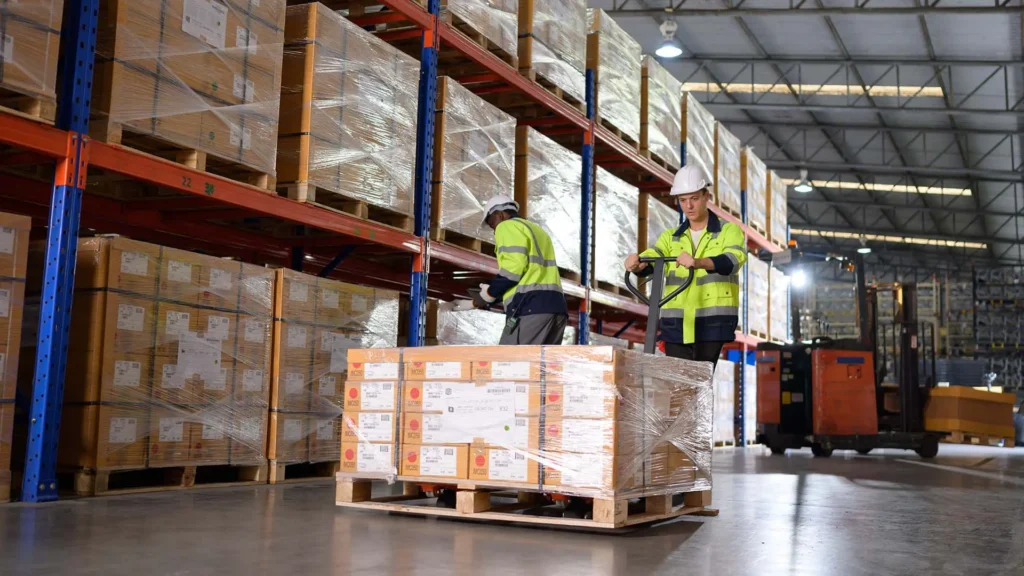
Warehouses are no longer only storage spaces. Today, they use advanced technology like computer vision and autonomous mobile robots to work more efficiently.
In 2026, 80% of organizations will use AI in their core operations. Within a warehouse, this means the following:
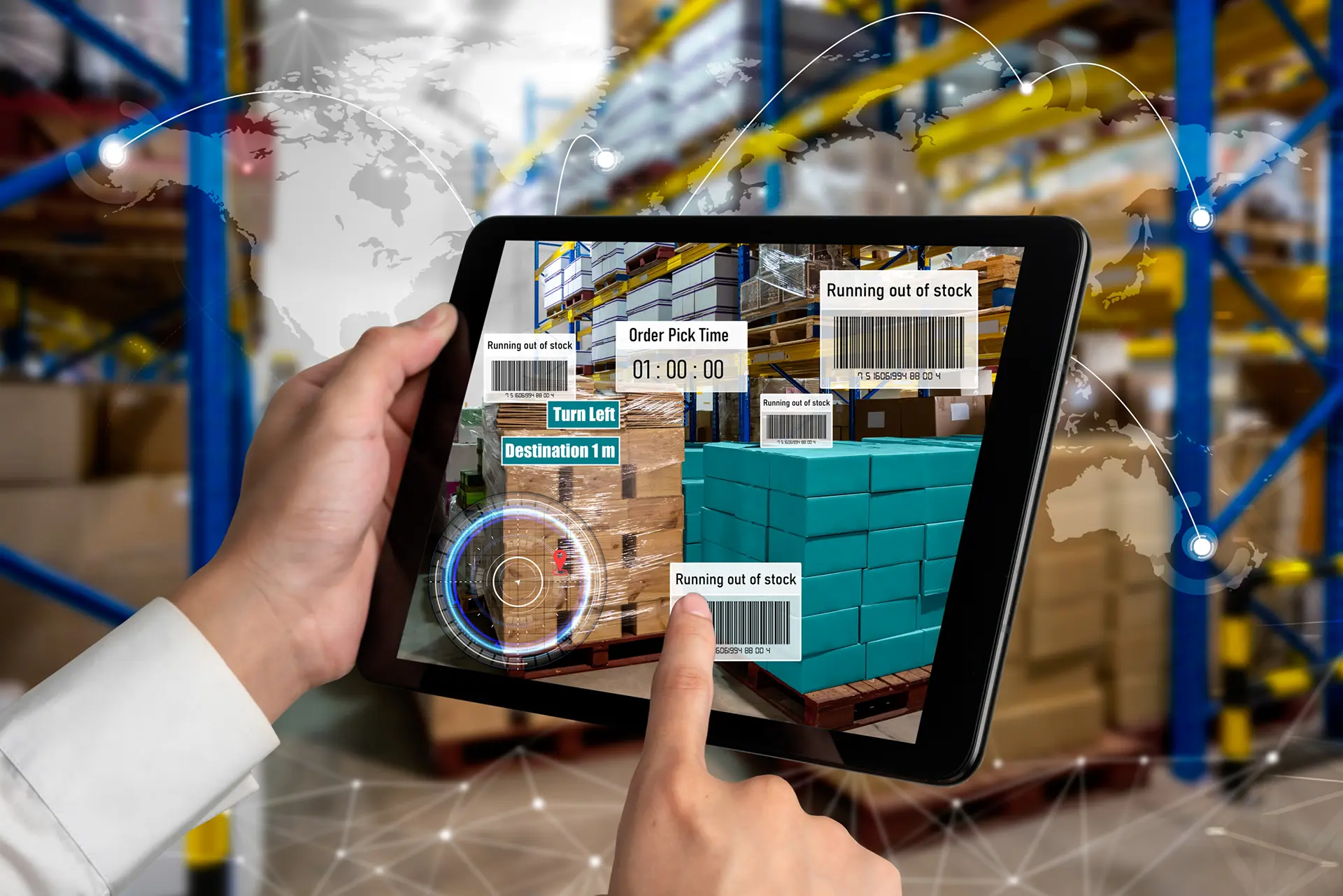
- Smart Picking: AI algorithms compute the optimal route for human or robotic pickers, reducing journey time.
- Dynamic Slotting: AI analyzes sales trends and will automatically reposition items with high demand to be closer to the shipping docks.
- Automated Package Sorting: High-speed logistics automation solutions now sort thousands of packages in one hour with accuracy.
Route Optimization and the Green Logistics Revolution
Transportation is the most expensive and carbon-heavy part of the supply chain. Now, AI is helping to create greener logistics.
AI route optimization software considers more than just the shortest route. It also looks at fuel use, idle time, and how full each vehicle is. The U.S. Department of Energy says these AI tools can cut energy use in freight transport by up to 15%.
Real-Time Visibility: The “Control Tower” Effect
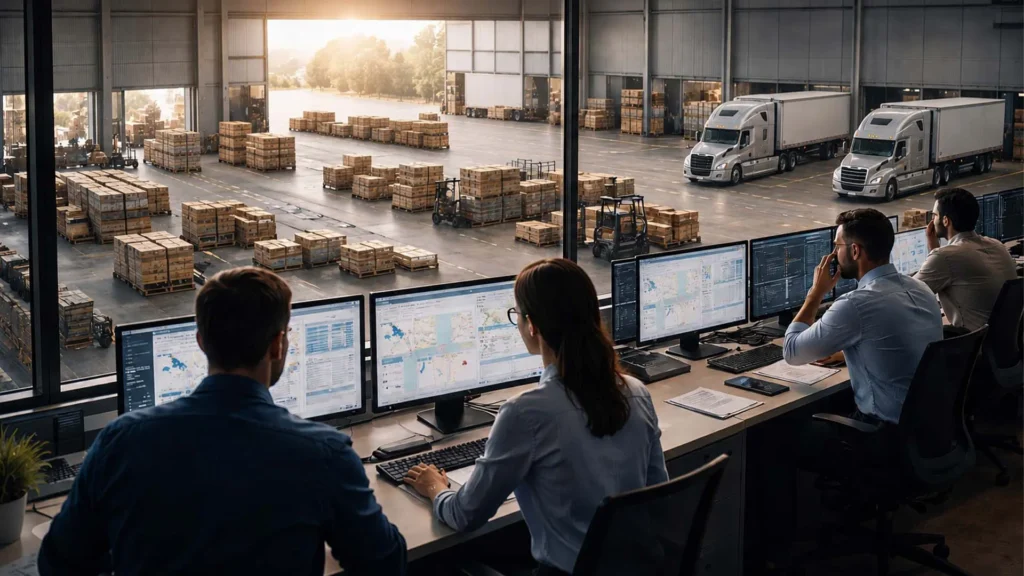
A major challenge in the industry has been the lack of visibility while in transit. AI has helped solve this with control towers that give a complete view of the supply chain. These platforms bring together data from sensors, GPS, and partners into one reliable source.
Studies show that AI visibility tools improve the ability to spot problems and inefficiencies by 80%. Knowing which pallet is which lets you give customers precise delivery times, which can greatly increase brand loyalty.
Overcoming the Implementation Gap
Even with these points working in its favor, not all companies will adopt logistics automation at the same pace: smaller and mid-sized businesses generally want clear examples of return on investment and expandability before the application of AI solutions.
- Data quality matters: AI works best with good data. Making sure data is consistent throughout international networks is essential.
- High upfront costs: Even though the return on investment is clear, the initial expense of logistics automation can be a challenge.
- Talent shortage: More experts are needed who know both traditional freight and advanced data science.
Working with an experienced logistics automation partner can give companies peace of mind. Outsourcing to a tech-focused third-party provider lets businesses use AI without having to manage the technology on their own.
Why 2026 is the Year of Action
The gap between competitors is widening. Companies that adopt AI early gain greater control, improve service by 65%, and reduce inventory by 35%. Relying on manual processes makes operations less reliable and increases risk in today’s market.
Looking ahead, the role of AI in supply chains will only expand:
More advanced autonomous transportation systems
Increased use of predictive maintenance
Greater integration with blockchain for security and transparency
Smarter robotic assistants working alongside humans
AI technologies will increasingly eliminate operational bottlenecks and facilitate smarter, quicker decision-making throughout the logistics value chain.
Modernize Your Operations with InstiCo Logistics
Modern logistics needs smart solutions, not just trucks. At InstiCo Logistics, we do more than ship. We optimize supply chains with automation and predictive AI to reduce times, cut costs, and provide full visibility. From automated logistical specialist systems in warehouses to real-time predictive analytics and intelligent transportation planning, AI is transforming how goods move across the country.
The main point is that your supply chain’s success depends on how well you use AI and data-centric logistics. Work with partners who can help you make that change.
Contact InstiCo Logistics today for a customized consultation and future-ready logistics automation strategy.