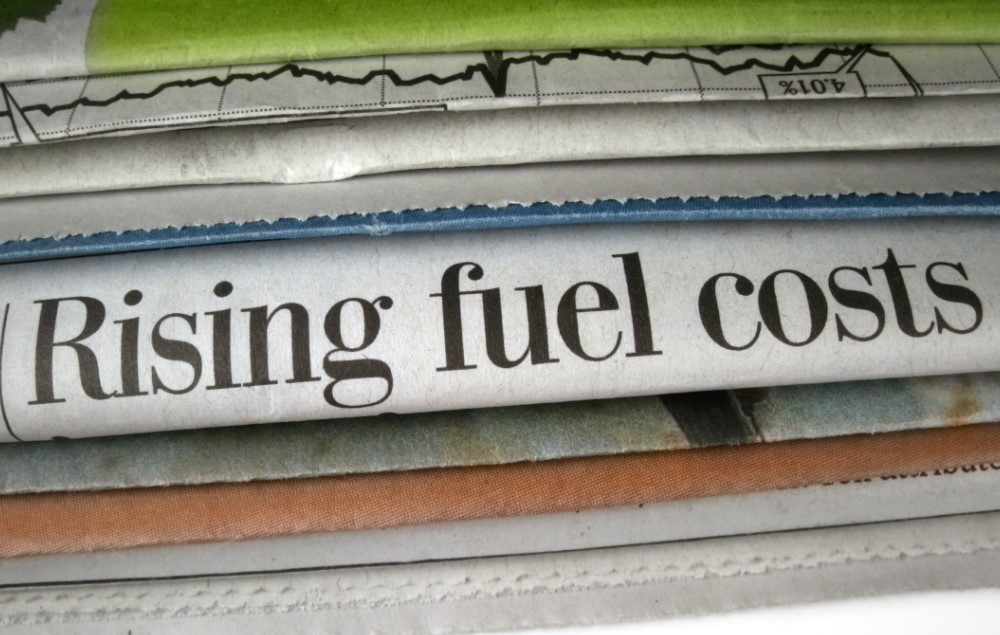
Rising fuel prices are forcing transportation companies to implement fuel surcharges, increasing shipping rates and operational costs. A transportation fuel surcharge is commonly applied to offset fluctuating fuel expenses while allowing carriers to continue providing reliable service.
One of the main ways that rising fuel costs can affect the transportation industry is through higher shipping rates. As fuel prices increase, transportation companies may need to pass those costs on to their customers. This could result in higher prices for goods and services that rely on transportation, such as food, consumer goods, and construction materials. Ultimately, this could impact consumers’ purchasing power and contribute to inflation.
Moreover, the impact of rising fuel prices can extend beyond shipping rates. Companies may need to adjust their operations to manage the increased cost of fuel. For instance, they may need to reduce their delivery schedules or consolidate shipments to optimize fuel efficiency. These changes could, in turn, affect delivery times, and ultimately, customer satisfaction.
Another potential impact of rising fuel prices is increased competition for available resources. As fuel prices rise, companies may need to compete for access to fuel, leading to supply chain disruptions and possible delays in shipping. This, in turn, could impact productivity and revenue for transportation companies.
Finally, rising fuel prices may lead to broader changes in the transportation industry. For instance, companies may begin to explore alternative fuel sources or invest in more fuel-efficient vehicles. These changes could lead to long-term benefits, such as cost savings and reduced environmental impact, but they may require significant upfront investment.
In conclusion, the rising cost of fuel has significant implications for the transportation industry. As fuel prices continue to increase, transportation companies will need to adapt their operations, manage their costs, and potentially pass on some of the cost increases to their customers. In the long term, these challenges may spur innovation and investment in more sustainable and efficient transportation solutions.