The plastics industry moves volume, not weight. From resin pellets and molded components to packaging films and consumer plastic goods, most plastic products share a common logistics challenge: high cube, low density. Although such cargo does not test weight limits, it uses up trailer, container, and storage space fast. Plastics logistics is far more complicated than suggested by the written requirements.
In particular, for firms in the plastic supply chain, any inefficiency in logistics would mean additional freight costs, damaged goods, and longer delivery periods. Optimizing plastic distribution and logistics requires a deep understanding of cube utilization, equipment strategy, and supply chain design, not just basic transportation planning.
This blog explores how logistics leaders can rethink the plastics supply chain to move bulky, lightweight shipments more efficiently while controlling costs and improving service levels.
The Challenge of “Cubing Out” Before “Weighing Out”
In standard freight, a trailer reaches its weight limit (weighs out) long before it is physically full. However, the supply chain of plastic frequently encounters the opposite problem. High-cube goods occupy every cubic inch of a container while remaining thousands of pounds under the legal weight limit. This is known as “cubing out.”
If your plastic supply chain isn’t optimized for volume, you end up paying for underutilized “ghost space.” To maintain profitability, shippers must pivot their focus from weight-based metrics to volumetric efficiency.
Strategic Pillars of the Plastic Distribution Supply Chain
To master the plastics supply chain, logistics managers must focus on three core areas:
1. Equipment Selection: Thinking Big
Standard dry vans may not be adequate for large amounts of plastic products. Increasingly, the trend is leaning towards
- High-Cube Containers: Providing an extra foot of vertical space, which can increase volume.
- Drop-Deck Trailers: These allow for taller stacks of lightweight products.
- Specialized Compression Packaging: Reducing the “fluff” factor at the source to increase density.
2. Regional Hubbing and “Last Mile” Density
Because shipping air over long distances is cost-prohibitive, a successful plastic logistics strategy often involves localized distribution centers. By moving bulk resin or compressed raw materials to regional hubs before converting them into high-cube finished goods, companies can drastically reduce the distance that low-density items need to travel.
3. Advanced Load Optimization
Modern plastic distribution and logistics rely heavily on 3D load planning software. This technology ensures that every “nook and cranny” of a trailer is utilized, often suggesting interlocking patterns that a human loader might overlook.
Sustainability in the Plastic Logistics Sector
The environmental footprint of the plastic supply chain is under more scrutiny than ever. Ironically, the low density of these shipments can lead to a higher carbon footprint per unit if not managed correctly, as more trucks are needed to move the same amount of product.
Effective plastics logistics now incorporates:
- Circular Economy Integration: Coordinating the return of reusable plastic pallets and crates within the same logistics loop.
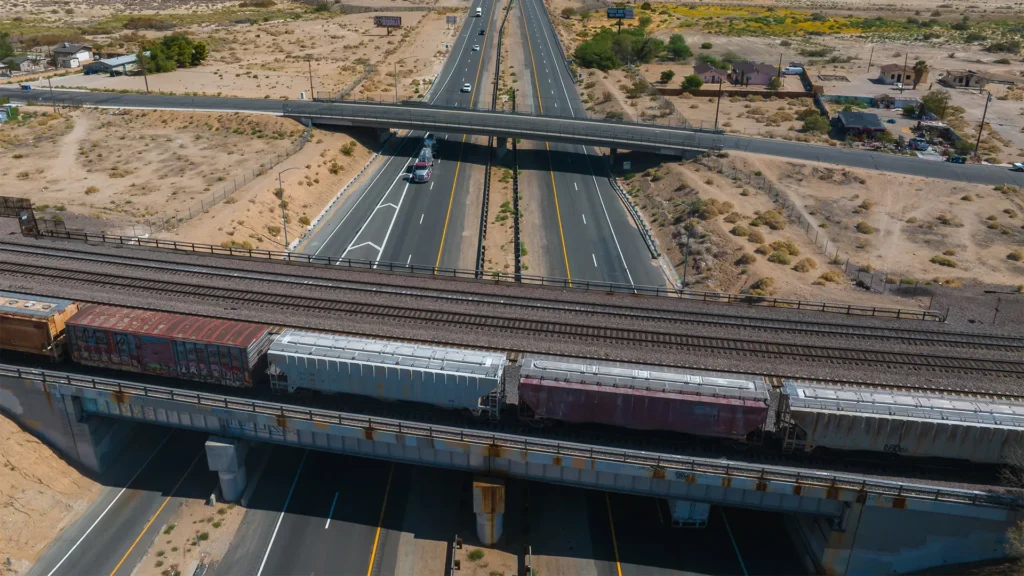
- Intermodal Shifts: Utilizing rail for the long-haul portion of resin distribution to lower the overall carbon intensity of the supply chain of plastic.
Overcoming the “Air” Tax with Instico Logistics
Managing a plastic distribution supply chain is a balancing act between volume, velocity, and cost. When you are shipping high-cube goods, you can’t afford a “one-size-fits-all” carrier. You need a partner that understands the nuances of volumetric freight and has the carrier network to back it up.
Instico Logistics specializes in de-risking the plastics logistics process. We don’t just find a truck; we engineer a solution that maximizes your cube, reduces your touches, and protects your bottom line. Whether you are moving raw pellets or oversized finished components, our expertise ensures your product moves efficiently across North America.
Summary Table: High-Cube vs. High-Density Logistics
Feature | High-Cube (Plastics) | High-Density (Metals/Liquids) |
Primary Constraint | Volume (Cubic Capacity) | Weight (Legal Limits) |
Key Metric | Cost per Cubic Foot | Cost per Hundredweight (CWT) |
Equipment Focus | High-Cube Vans, Drop-Decks | Standard 53′ Vans, Flatbeds |
Packaging Goal | Maximize Density | Securement and Balance |
Future-Proofing Your Plastic Supply Chain
As e-commerce and specialized manufacturing continue to grow, the demand for lightweight, high-volume plastic products will only increase. Companies that master plastic logistics today will have a significant competitive advantage tomorrow. By focusing on density, equipment innovation, and strategic partnerships, you can turn the challenge of “shipping air” into an opportunity for streamlined operations.
Let the experts at Instico Logistics optimize your plastic distribution and logistics strategy. From freight brokerage to full-scale supply chain management, we provide the visibility and efficiency your business deserves.
FAQs
What documents are required for air freight shipping?
The most critical document is the Air Waybill (AWB), which acts as a receipt and a contract. You will also need a Commercial Invoice, a Packing List, and potentially a Certificate of Origin depending on the destination.
Is air freight suitable for perishable or fragile goods?
Yes, it is the preferred method for these items. The shorter transit time reduces the risk of spoilage for perishables, and the reduced handling compared to sea shipping makes it safer for fragile items.
Is air freight more expensive than sea or road shipping?
Generally, yes. Air freight charges are higher because of fuel costs and the limited capacity of aircraft. However, you can often save money on insurance and warehousing, which offsets some of the initial costs.
What is the difference between air cargo and air courier services?
Air courier is typically “door-to-door” and handles smaller parcels with all-in-one pricing. Air cargo is usually “airport-to-airport” for larger shipments and requires a freight forwarder to manage the “last mile” and customs.
Can small businesses use air freight services?
Absolutely. Many small businesses use air freight to maintain low inventory levels and respond quickly to customer demand without needing a massive warehouse.