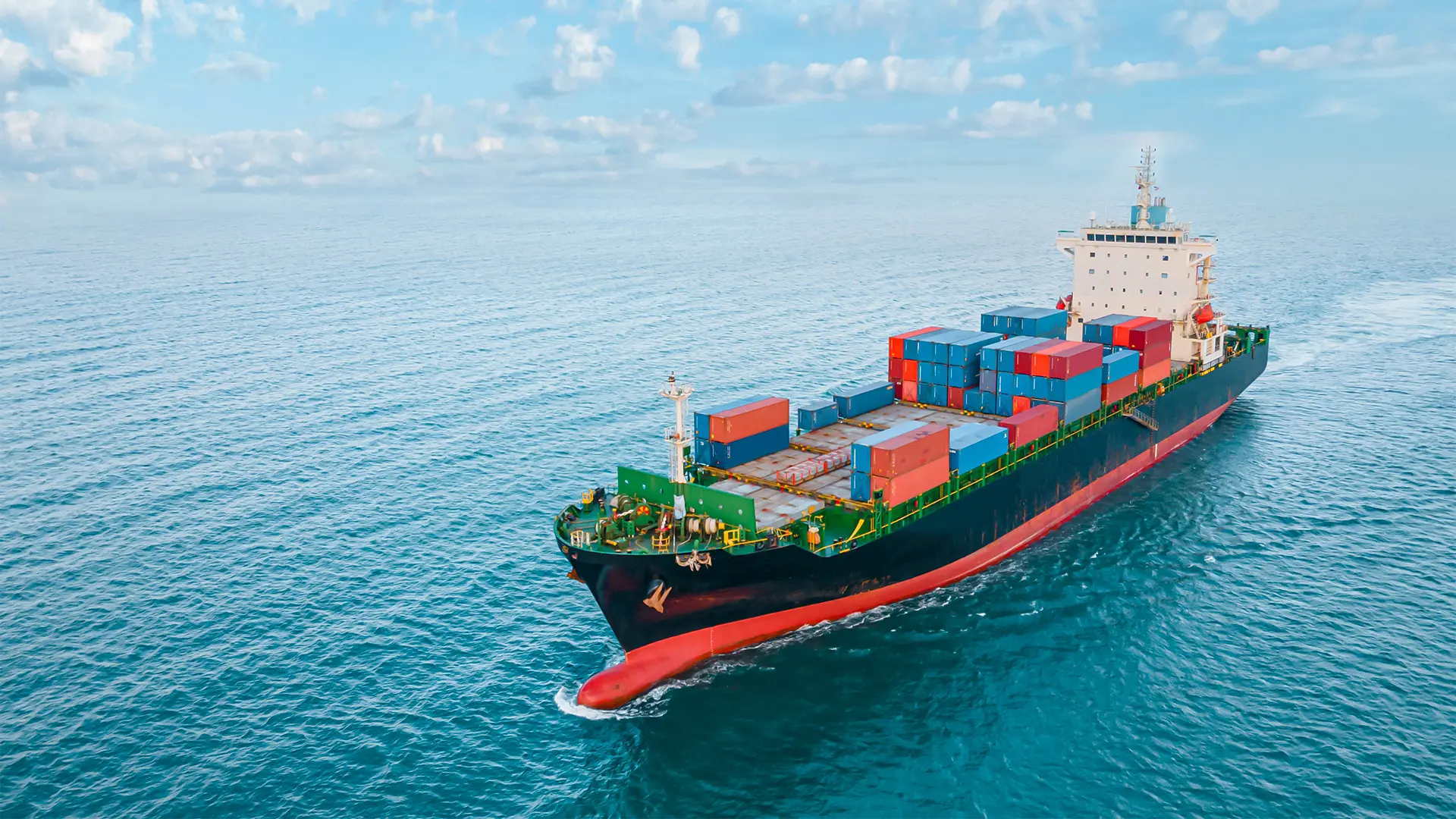
The global shipping landscape of 2026 is no longer defined by the predictable cycles of the past. Shippers today operate in a “new normal” where volatility is the baseline and disruption is the standard operating environment. Perhaps the most challenging tool in the carrier arsenal is the blank sailing, the tactical cancellation of a scheduled port call or entire voyage to manage capacity and protect margins.
For logistics professionals, ocean freight procurement has transformed from a seasonal negotiation into a year-round battle for reliability. With a record vessel order book set to increase global fleet capacity by 3.6% in 2026, carriers are aggressively using blank sailings to combat oversupply. In fact, deep-sea departures saw cancellation rates as high as 9% in early 2026 to stabilize falling rates.
To navigate this, businesses must shift from reactive booking to proactive ocean freight management. Here is how to master procurement and logistics in an era of intentional service gaps.
The Strategic Shift: Beyond the Lowest Rate
While the instinct in an oversupplied market is to chase the lowest spot price, 2026 has proven that the “cheapest” container is often the one that never leaves the dock. Ocean freight rate management now requires a dual focus on price and “shippability.”
- Reliability as the New Currency: Global schedule reliability currently hovers between 42% and 48%. A rate that is 20% lower than the market average is a liability if the carrier blanks 30% of their sailings on that lane
. - The Rise of Managed Tech: Modern ocean freight management software allows shippers to track carrier performance in real time. By analyzing historical data, procurement teams can identify which alliances are most likely to “slide” schedules during peak periods like the Chinese New Year or Golden Week.
4 Essential Ocean Freight Transit Time Strategies
Blank sailings don’t just delay one ship; they create a “vessel bunching” effect that congests ports and slows down inland distribution. To manage ocean freight rates without sacrificing speed, consider these ocean freight transit time strategies:
- The “Small Lot” Advantage: Carriers facing capacity constraints are more likely to “roll” large block bookings. Breaking shipments into smaller lots (under 4 TEUs) across multiple Bills of Lading increases the probability of your cargo making it onto the vessel.
- Diversified Carrier Portfolios: Don’t put all your eggs in one alliance. If the Ocean Alliance blanks a string, having an active contract with 2M or THE Alliance ensures you aren’t stranded.
- Buffer for “Phantom” Speed: In 2026, the fastest ship on paper is rarely the first to arrive. A vessel departing three days later with a 90% on-time record is a better procurement choice than an earlier departure with a history of port omissions.
- Index-Linked Contracts: To avoid the “no-show” fees and “ghost lanes” that plague fixed-rate contracts, more shippers are moving toward index-linked agreements. This allows rates to float with the market, reducing the carrier’s incentive to blank your specific sailing when spot rates spike.
Leveraging Technology for Rate Stability
Effective ocean freight rate management software has moved from a “nice-to-have” to a critical infrastructure component.
By using dedicated ocean freight management software, you can:
- Automate Benchmarking: Instantly compare your contract rates against real-time market indices.
- Predict Disruptions: Use predictive visibility to see weather-related delays or terminal congestion before your carrier sends an official advisory.
- Audit Surcharges: With the EU Emissions Trading System (ETS) now requiring 100% coverage of emissions in 2026, surcharge transparency is vital to prevent “margin creep” from carriers.
Most Cost-Effective Ocean Freight Strategies for 2026
Achieving the most cost-effective ocean freight strategies requires a balance of contract and spot market usage. In the current environment, a 70/30 split is often recommended:
- 70% Contract: For core, high-volume lanes to ensure base capacity.
- 30% Spot/Agile: To take advantage of the expected 25% drop in global average spot rates throughout 2026 (Source: IMF/Xeneta).
Strategy | Benefit | Risk |
Short-term Tenders (3-6 months) | Captures falling market rates. | Higher administrative burden. |
Premium Service Tiers | Guaranteed loading even during blanks. | Higher upfront cost per FEU. |
Port Diversification | Avoids “Red Zone” congestion (e.g., Shanghai/Ningbo). | Longer inland drayage times. |
Navigating the Horizon with InstiCo Logistics
Managing ocean freight procurement in a world of blank sailings requires more than just a spreadsheet; it requires a partner with deep market intelligence and the technical tools to execute under pressure.
At InstiCo Logistics, we combine ocean freight rate management software with decades of industry expertise to ensure your cargo moves, even when the schedules don’t. From optimizing your ocean freight transit time strategies to securing the most cost-effective ocean freight strategies in a volatile market, we provide the visibility and reliability your supply chain demands.
Ready to stabilize your shipping costs?
Contact InstiCo Logistics today for a comprehensive audit of your ocean freight management strategy.
FAQs
What documents are required for air freight shipping?
The most critical document is the Air Waybill (AWB), which acts as a receipt and a contract. You will also need a Commercial Invoice, a Packing List, and potentially a Certificate of Origin depending on the destination.
Is air freight suitable for perishable or fragile goods?
Yes, it is the preferred method for these items. The shorter transit time reduces the risk of spoilage for perishables, and the reduced handling compared to sea shipping makes it safer for fragile items.
Is air freight more expensive than sea or road shipping?
Generally, yes. Air freight charges are higher because of fuel costs and the limited capacity of aircraft. However, you can often save money on insurance and warehousing, which offsets some of the initial costs.
What is the difference between air cargo and air courier services?
Air courier is typically “door-to-door” and handles smaller parcels with all-in-one pricing. Air cargo is usually “airport-to-airport” for larger shipments and requires a freight forwarder to manage the “last mile” and customs.
Can small businesses use air freight services?
Absolutely. Many small businesses use air freight to maintain low inventory levels and respond quickly to customer demand without needing a massive warehouse.