Moving very large or oddly shaped items isn’t as simple as putting them on a truck. Regular trailers usually can’t carry the size or weight, which is why flatbed shipping is the best option for these kinds of loads. From steel beams to construction machinery, flatbeds make it possible to transport large items safely and efficiently, but knowing how to plan and choose the right options is key.
Knowing when and how to use flatbed truck shipping helps businesses avoid delays and plan more efficiently. Capacity isn’t always consistent, especially during busy construction seasons. Understanding your options, preparing the right documentation, and choosing the right trailer ahead of time can save both time and headaches.
What Is Flatbed Shipping and How It Works
Flatbed shipping is exactly what it sounds like: cargo is loaded onto an open trailer with no sides or roof. This design is ideal for oversized freight transport because it allows crews to load from multiple directions – top, side, or rear.
Unlike enclosed trailers, safety depends entirely on how the cargo is secured. Chains, straps, and tarps are used to keep everything stable during transit. Drivers handling flatbed freight shipping often need specialized experience since every load is visible and exposed, making careful preparation essential.
When to Choose Flatbed Freight Shipping
Not every shipment needs a flatbed, but in some cases, it’s the only practical option. Flatbed truck shipping is necessary when cargo is too large, too heavy, or oddly shaped for standard trailers.
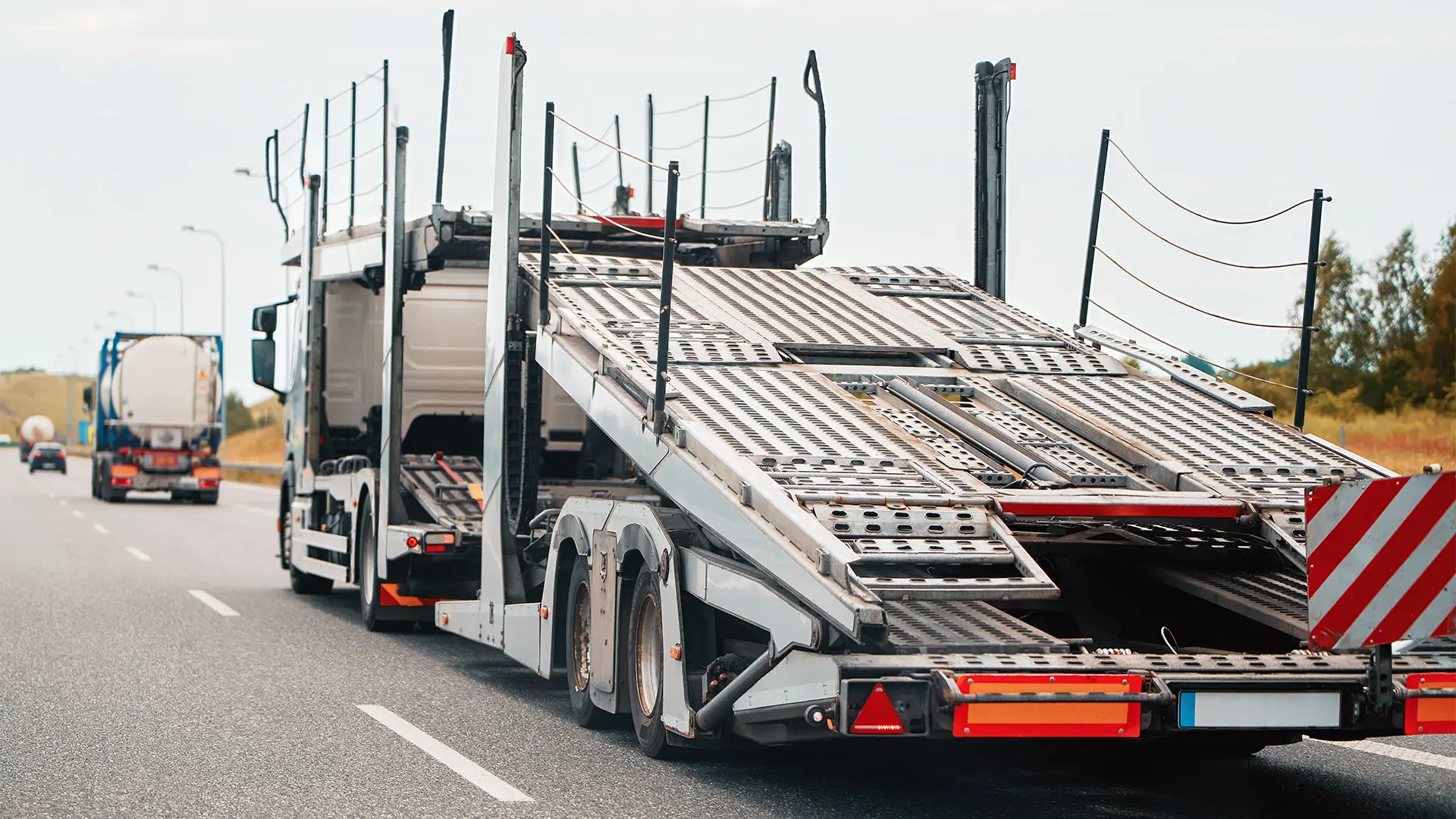
Think about construction machinery that can’t be disassembled, steel coils that are too wide for enclosed trailers, or unusually long industrial components. Flatbed shipping allows direct loading and unloading using cranes or forklifts, saving both time and labor.
Types of Flatbed Truck Shipping Equipment
Flatbed trailers are available in a variety of designs and sizes, each suited to specific types of cargo. Choosing the right trailer impacts both safety and cost.
Standard Flatbed Trailers
The most common option for general freight, standard flatbeds typically handle loads up to 8.5 feet wide and 48–53 feet long. They are reliable for most flatbed freight shipping needs.Step Deck (Drop Deck) Trailers
Step decks sit lower than standard trailers, allowing taller cargo to clear height restrictions. They are a go-to choice for oversized freight transport where vertical clearance is a concern.Double Drop Trailers
Designed for extremely tall loads, double drop trailers have a lowered center section. This makes them ideal for large industrial equipment that might otherwise exceed legal height limits.Extendable Flatbeds
These trailers are perfect for long cargo like wind turbine blades or steel beams. They can stretch to accommodate oversized freight load transport beyond standard lengths.
Key Benefits of Flatbed Freight Shipping
Flatbed freight shipping is a go-to choice because it solves problems that standard trailers often can’t. Its open design makes moving oversized or oddly shaped cargo much easier, helping businesses keep operations running smoothly.
Here are some of the benefits that make flatbeds so useful:
- You can load cargo from the top, side, or rear, which adds flexibility.
- Oversized and irregular items can be moved safely without special adjustments.
- Loading is generally faster compared to enclosed trailers.
- Flatbeds work well for both short trips and long-distance shipments.
- Fewer steps in handling mean less chance of damage along the way.
Regulations for Oversized Freight Transport
Moving oversized freight isn’t just about getting it from point A to point B. There are rules in place to keep everyone safe and ensure shipments comply with the law. Knowing these regulations ahead of time can save delays, fines, and headaches. Here’s what you need to keep in mind:
Size and Weight Limits:
In the U.S., a load is usually considered oversized if it’s wider than 8.5 feet, taller than 13.5–14 feet, or heavier than 80,000 pounds. Rules can vary by state, so it’s important to check before shipping.Permits and Compliance:
Many oversized shipments require permits for each state along the route. These permits spell out travel times, which roads to use, and safety requirements to follow.Route Planning and Escorts:
Some loads need pilot cars or escort vehicles to travel safely. Careful route planning helps avoid low bridges, narrow roads, or restricted zones, keeping both the shipment and everyone on the road safe.
Industries That Use Flatbed Truck Shipping
Flatbed truck shipping is versatile and used across several sectors. Construction, oil and gas, agriculture, manufacturing, and renewable energy all rely on flatbed freight shipping for cargo that standard trailers cannot handle.
For example, wind energy projects require moving extremely long turbine components, while construction companies frequently ship oversized machinery and materials. Flatbed trailers make these operations possible.
How Flatbed Shipping Quotes Are Calculated
Flatbed shipping costs aren’t just about the distance your freight travels. Several factors play a role, and understanding them can help businesses plan their budgets more accurately.
Fuel and mileage are obvious cost drivers, but the size and weight of your cargo are just as important. Very large or heavy shipments may require special permits or escort vehicles, which adds to the cost. The type of trailer also matters; double drop or extendable flatbeds tend to cost more because they’re less common. On top of that, market demand and seasonal activity, like construction booms, can affect rates.
How to Get Accurate Flatbed Shipping Quotes
To get an accurate flatbed shipping quote, you need to provide clear and precise details. Include cargo dimensions, weight, and type, as well as pickup and delivery locations and any special handling requirements. A clear timeline also helps carriers give the most accurate estimate. The more precise your information, the fewer surprises you will face.
Tips to Reduce Flatbed Freight Shipping Costs
Managing flatbed shipping costs doesn’t have to be complicated. Small adjustments and smart planning can significantly lower expenses without compromising safety.
Consider these strategies:
- Ship during off-peak periods to get better rates
- Consolidate smaller shipments to reduce partial-load costs
- Be flexible with pickup and delivery windows
- Work with carriers experienced in oversized freight transport
- Provide accurate cargo dimensions and timelines
Choosing the Right Flatbed Shipping Company
Not every shipping company has the know-how for flatbed freight. Oversized and oddly shaped loads need careful handling, and having the right team makes the whole process much easier. Look for a provider that has experience with oversized freight load transport, a strong safety record, and access to a variety of specialized trailers.
Transparent pricing and clear communication are also key in knowing what to expect, which helps avoid surprises. A strong flatbed shipping partner does more than just transport your cargo. A good shipping partner looks ahead for potential issues, plans routes carefully, and ensures your cargo arrives safely and on time. Choosing the right provider can save you time, lower costs, and help your operations run without hiccups.
Conclusion
Flatbed shipping makes moving oversized or oddly shaped cargo much simpler when you plan carefully. Picking the right trailer, following the rules, and having all your shipment details ready can help things run on time and avoid problems.
When you understand your options and work with a logistics team that knows flatbed shipping well, even complex shipments become much easier to handle.
For businesses managing oversized freight, using a reliable flatbed shipping partner can make planning easier, keep shipments safe, and ensure everything arrives on schedule.
FAQs
What documents are required for air freight shipping?
The most critical document is the Air Waybill (AWB), which acts as a receipt and a contract. You will also need a Commercial Invoice, a Packing List, and potentially a Certificate of Origin depending on the destination.
Is air freight suitable for perishable or fragile goods?
Yes, it is the preferred method for these items. The shorter transit time reduces the risk of spoilage for perishables, and the reduced handling compared to sea shipping makes it safer for fragile items.
Is air freight more expensive than sea or road shipping?
Generally, yes. Air freight charges are higher because of fuel costs and the limited capacity of aircraft. However, you can often save money on insurance and warehousing, which offsets some of the initial costs.
What is the difference between air cargo and air courier services?
Air courier is typically “door-to-door” and handles smaller parcels with all-in-one pricing. Air cargo is usually “airport-to-airport” for larger shipments and requires a freight forwarder to manage the “last mile” and customs.
Can small businesses use air freight services?
Absolutely. Many small businesses use air freight to maintain low inventory levels and respond quickly to customer demand without needing a massive warehouse.