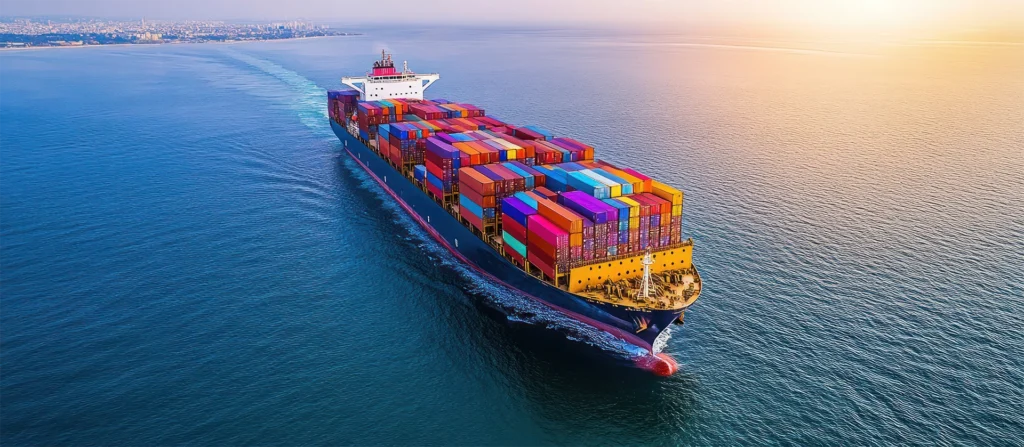
Businesses are reassessing their logistics and distribution methods as global supply chains shift toward end-user-driven models. This includes e-commerce companies rapidly scaling fulfillment and manufacturers grappling with cross-border shipping challenges. It is not an option for companies to be successful in logistics and distribution due to their effectiveness and reliability.
In 2026, the change in the third-party logistics (3PL) industry’s operations will have transitioned from back-end logistics to a strategic advantage, helping organizations feel assured about their growth potential. A shift in how organizations view their global supply chains is essential for success amid increasing complexity.
The Global Third-Party Logistics Market is expected to reach USD 2,247.95 billion by 2032, at a CAGR of 8.3%
What is 3PL, and how does it fit into this rapidly changing environment?
3PLs (Third-Party Logistics) are hired to manage an online retailer’s logistics, including warehouse management, inventory tracking, and order fulfillment. By utilizing these services, retailers can confidently choose a 3PL to handle their logistics and concentrate on creating and marketing their products.
3PL plays the most important role between the producer and the consumer by providing the necessary infrastructure that allows for today’s high standards of “next day” delivery times.
What do Third-Party Logistics services include?
3pl logistics services have become highly specialized and technology-driven, delivering solutions such as inventory management, warehousing, and freight forwarding. This focus on innovation should reassure readers of the efficiency and reliability of modern logistics providers.
- Inventory Management: Instant monitoring of stock levels throughout several points.
- Warehousing: Secure storage in strategically located fulfillment centers.
- Picking and Packing: Handling goods to prepare them for the end consumer.
- Freight Forwarding: Coordinating large-scale movement of goods via sea, air, or land.
- Reverse Logistics: Managing returns and refurbished goods.
- Custom Handling: Includes temperature-controlled shipping for pharmaceuticals and perishables, a sector that has experienced 20% growth in 3PL adoption this year.
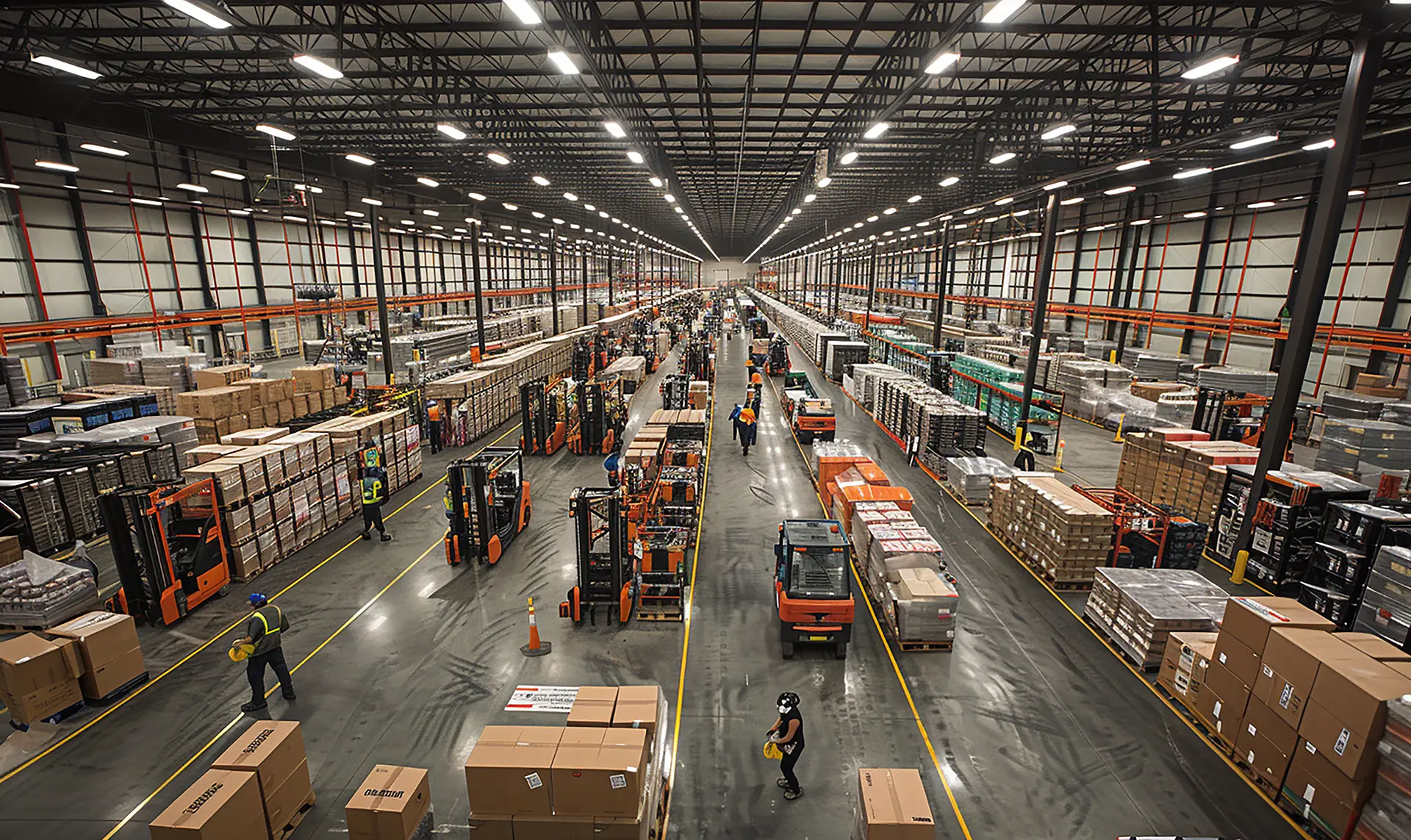
Why Businesses Use 3PL Providers
The demand for flexibility drives the shift toward 3PL logistics. Scalability is the primary reason businesses use 3PL providers, including:
- Cost Reduction: Making use of the 3PL’s negotiated shipping rates and shared warehouse space.
- Expertise: Accessing specialized third-party fulfillment services that stay ahead of shipping regulations and customs.
- Market Development: Using providers in the USA to enter the North American market without incurring physical real estate costs.
- Technology Integration: Applying advanced artificial intelligence-powered analytics to predict inventory stockouts in the same way.
Understanding the different providers in the USA and globally, along with selection criteria, helps businesses choose the right partner for their unique logistics needs.
Common Types of 3PL Providers
- Asset-Based 3PLs – Own warehouses, trucks, and physical infrastructure.
- Non-Asset-Based 3PLs – Focus on coordination, carrier networks, and technology.
- Integrated 3PL Providers – Combine warehousing, transportation, and fulfillment under one platform.
- Specialized 3PLs – Focus on industries such as healthcare, cold chain, or valuable goods.
- eCommerce-Focused 3PLs – Optimize third-party fulfillment services for direct-to-consumer and omnichannel brands.
How a 3PL Supports the Shipping Process
A package moves through a 3PL logistics workflow in a coordinated sequence of data and physical processes:
- Receiving: The 3PL receives your inventory at their warehouse and integrates it into their management system.
- Warehousing: Goods are stored, often using automated storage and retrieval systems (ASRS), to make the most of available space.
- Picking: When an order is placed, the 3PL software generates a pick list.
- Packing: Items are packed securely. Third-party fulfillment services may add custom branding to enhance the unpacking experience.
- Shipping: The 3PL prints labels and works with carriers (UPS, FedEx, DHL) to deliver the product, where leading 3PLs use multimodal transportation to find the fastest and most cost-effective routes.
Understanding this outsourcing model is key to building a strong company. USA-based providers can speed up deliveries and focus on solutions for temperature-sensitive shipments, enhancing operations through the right partnerships.
Logistics plays an important role in customer experience, technology, and changing consumer needs. Selecting the right 3PL supplier is essential to avoid bottlenecks and ensure long-term success.
At InsticCO Logistics, our technology-driven solutions provide instant visibility, flexible fulfillment, and reliable shipping, ensuring your logistics align with your business objectives.
Partner with us and turn logistics into a growth advantage.