Efficiency is more than just a buzzword in the world of supply chain management; it truly represents the line between where a business earns a good profit and where it struggles just to stay afloat. This is particularly true for SMBs, where the problem of getting goods from point A to point B may be reduced to a simple choice: wait weeks to fill a full truck, or pay a premium to ship a half-empty one.
This is where freight consolidation becomes a game-changer for small to medium-sized businesses. This enables businesses to reap the benefits of large-scale businesses. In this article, we will explain the meaning of consolidated shipment, how it can be achieved, and why it can prove to be one of your best decisions regarding logistics.
What Is Freight Consolidation?
Freight consolidation is a kind of logistics in which a transporter or third-party logistics provider aggregates a number of smaller shipments from various shippers into a large shipment, or a larger container or truckload.
For an explanation of the consolidated shipment in the practical application of the concept, consider it from the perspective of a carpool. Instead of five different people driving five separate cars to the same office, they all jump into one van. In shipping, these “passengers” are individual pallets or crates heading toward the same geographic region.
The primary goal is to lower the total shipping cost and increase the efficiency of logistics transportation services. Instead of paying for the “dead air” in a semi-trailer, you only pay for the space your cargo occupies.
How Freight Consolidation Works
The process of consolidated freight shipping follows a specific lifecycle to ensure that goods from various sources move seamlessly to their final destinations.
- Pickup: Smaller shipments (often referred to as Less-than-Truckload or LTL) are collected from various shippers.
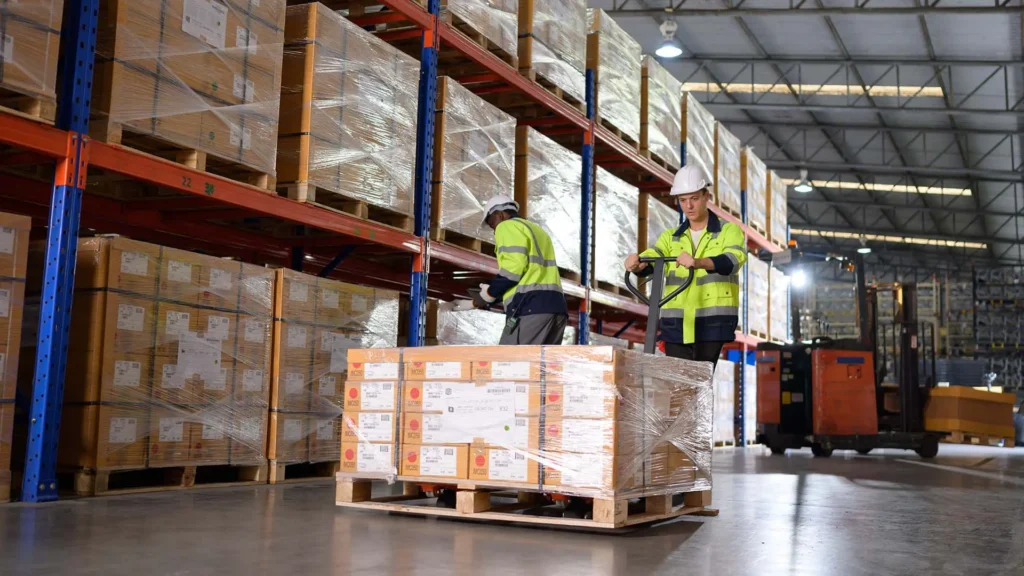
- The Consolidation Center: The goods are transported to a regional warehouse. This is where consolidation in warehousing happens; shipments are sorted based on their final destination.
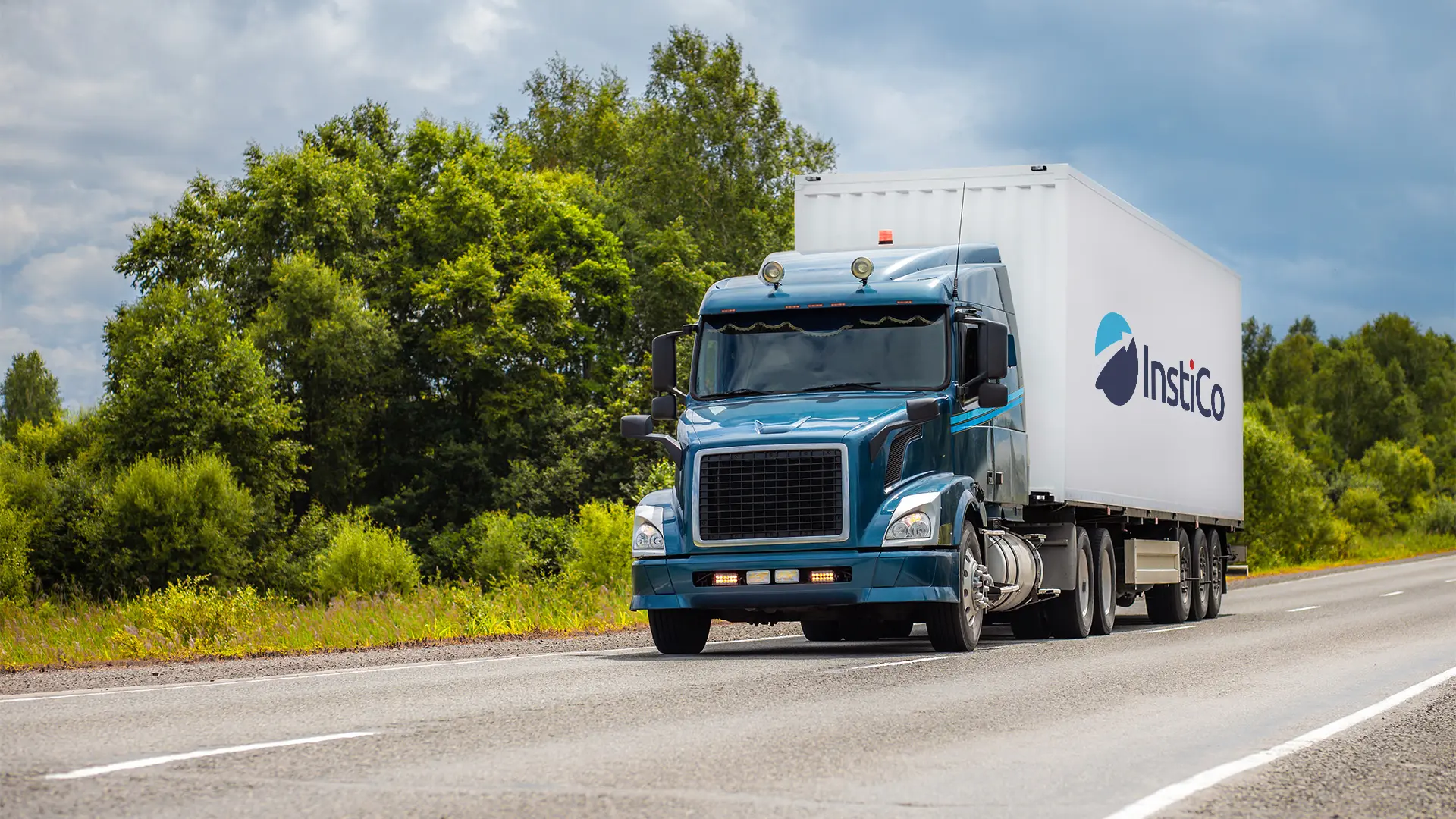
- The Main Transit: Once enough cargo is gathered to fill a trailer, the consolidation trucking provider initiates the long-haul journey.
- Deconsolidation: Upon reaching a destination hub, the large load is broken back down into individual shipments.
- Final Delivery: Local “last-mile” trucks deliver the specific orders to the end customers.
Types of Consolidated Freight Shipping
Depending on your schedule and route, your consolidated shipment may take one or more of the following forms:
- Ground Consolidation: The most common form, utilizing consolidation trucking to move goods across states or borders.
- Ocean Freight Consolidation (LCL): For international trade, “Less than Container Load” (LCL) is a staple. If you don’t have enough product to fill a 40-foot container, you share space with others using ocean freight shipping routes.
- Air Freight Consolidation: When speed is a priority, air freight services utilize consolidation to make expensive air transport more accessible for smaller packages.
Benefits of Freight Consolidation for Businesses
Why are more entrepreneurs starting to pivot towards consolidation shipping? The statistics paint a compelling picture. Cutting these costs is the quickest means of boosting profits.
1. Massive Cost Savings
By sharing the cost of a full truckload (FTL) with other shippers, you bypass the higher rates associated with standard LTL shipping. For example, consolidating shipments can cut your transportation costs compared to shipping separately. You benefit from bulk shipping rates without needing the bulk inventory.
2. Reduced Risk of Damage
Surprisingly, consolidated freight can be safer. In traditional LTL shipping, your goods may be moved on and off several trucks as they wind through various hubs. For instance, consolidating freight reduces transport costs to a level less than shipping individual consignments. In effect, you enjoy the benefits of buying in bulk without incurring the associated inventory costs.
3. Sustainability and “Green” Logistics
The American Trucking Associations (ATA) notes that trucks move roughly 72.5% of the nation’s freight by weight. However, thousands of lorries run half-empty every day. By utilizing freight consolidation, you reduce the number of vehicles on the road, lowering your company’s carbon footprint.
4. Improved Supply Chain Consistency
Regularly scheduled LTL consolidation programs allow businesses to ship smaller amounts more frequently. This prevents inventory “clogs” in your warehouse and keeps your product flow consistent.
Consolidation in Warehousing and Distribution
Consolidation in warehousing drives this entire system. It isn’t mere storage; it’s strategic movement. A consolidation warehouse acts as a sort of “merge point.”
For instance, if you have three different suppliers in the same region, a logistics provider can collect those three orders, bring them to a central warehouse, and combine them into one consolidated shipment. This cuts down on the number of deliveries your receiving dock has to handle and reduces your internal labor costs.
LTL Consolidation vs. Full Truckload Alternatives
It is important to distinguish between standard LTL (Less-than-Truckload) and strategic LTL consolidation.
In standard LTL, a carrier picks up your goods and moves them through a network of terminals. Your freight might be rearranged five times before it reaches the customer. In consolidated freight shipping, the logistics provider creates a “virtual” full truckload. This leads to faster transit times and a more linear route, which offers an upgraded experience over this “stop and start” type of traditional LTL transportation.
When Should Businesses Use Consolidated Freight?
While freight consolidation is powerful, it isn’t for every single shipment. You should consider it when:
- You ship 1–6 pallets: This is the “sweet spot” where the savings are most noticeable.
- You have a flexible timeline: Since the carrier needs to wait for enough cargo to fill the truck, it may take a day or two longer to “build” the load.
- You are shipping to a specific region: If you have multiple customers in a single metro area (like Chicago or Los Angeles), consolidation is incredibly efficient.
- Safety is a priority: If your goods are fragile, fewer touchpoints in a consolidated load are a major advantage.
Freight consolidation is more than merely a means of transportation; it is an advantage. With the help of Consolidation Trucking and Logistics Transportation Services, businesses can compete against the big players in the industry. This service helps decrease costs while also increasing the security of your freight. Whether it is ocean freight shipping or local deliveries, uniting as one is the best means to achieve.
Optimize Your Supply Chain with InstiCo Logistics
Do you waste money on space? At InstiCo Logistics, we have expertise in efficient freight consolidation solutions that are carefully considered in accordance with your business requirements. Beginning with air freight services to complex ground LTL consolidation, we have specialists in our company who will make your shipments quicker, more secure, and more economical.
Stop Overpaying for Your Shipping Today! Contact InstiCo Logistics for a custom freight quote and let us streamline your path to profit.
FAQs
How long does freight consolidation usually take?
Consolidation can add 1–3 days to the initial transit time as the provider waits to “pool” enough freight to fill a trailer. However, the actual transit is often faster because there are fewer stops at intermediate terminals.
Does freight consolidation reduce shipping costs?
Yes. By sharing the cost of a full truckload with other shippers, you typically pay significantly less than standard LTL rates. Industry estimates suggest savings of 10–25% on average.
What is the difference between LTL and consolidated freight?
Standard LTL moves through a series of hubs and “spokes,” often changing trucks multiple times. Consolidated freight is grouped once at a warehouse and usually stays on the same vehicle until it reaches the destination region.
Do consolidated freight shipments require special packaging?
While not “special,” packaging should be robust. Since your goods share space with other types of freight, ensure everything is properly palletized and shrink-wrapped to prevent shifting during transit.
Can multiple suppliers consolidate freight into one shipment?
Absolutely. This is called “vendor consolidation.” A logistics provider collects goods from various suppliers and merges them into one delivery to your facility, saving you time and docking fees.