Cold chain logistics is basically how sensitive products move from one place to another without losing their condition on the way. Not in theory, but in actual movement on the ground. Food, vaccines, lab samples, and all of it depend on one thing, which means staying inside a safe temperature range the whole time.
The problem is, it is never one controlled space from start to finish. It is a chain of stops such as airports, trucks, warehouses, loading docks, and handovers. Temperature can fluctuate slightly at each link in this chain, sometimes without anyone immediately noticing.
That’s where temperature controlled shipping comes in. It’s the system built to manage those gaps, not just the travel itself. And honestly, that’s why cold chain logistics is less about transport and more about stopping those small exposure moments from slowly damaging product quality in ways you don’t always see immediately.
And this is where most people get it wrong and start trying to find out how it is handled by hand.
What is Temperature-Controlled Logistics?
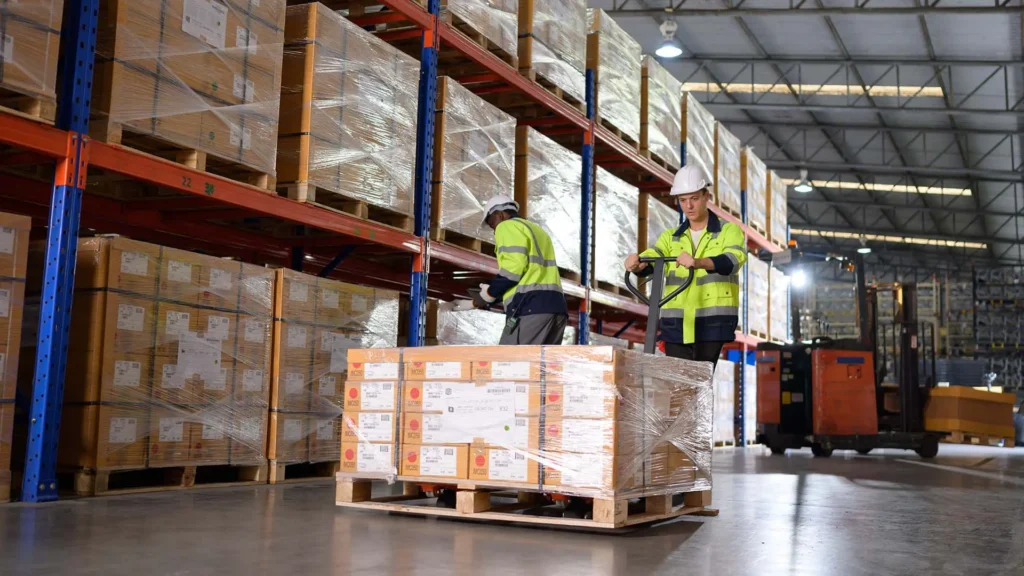
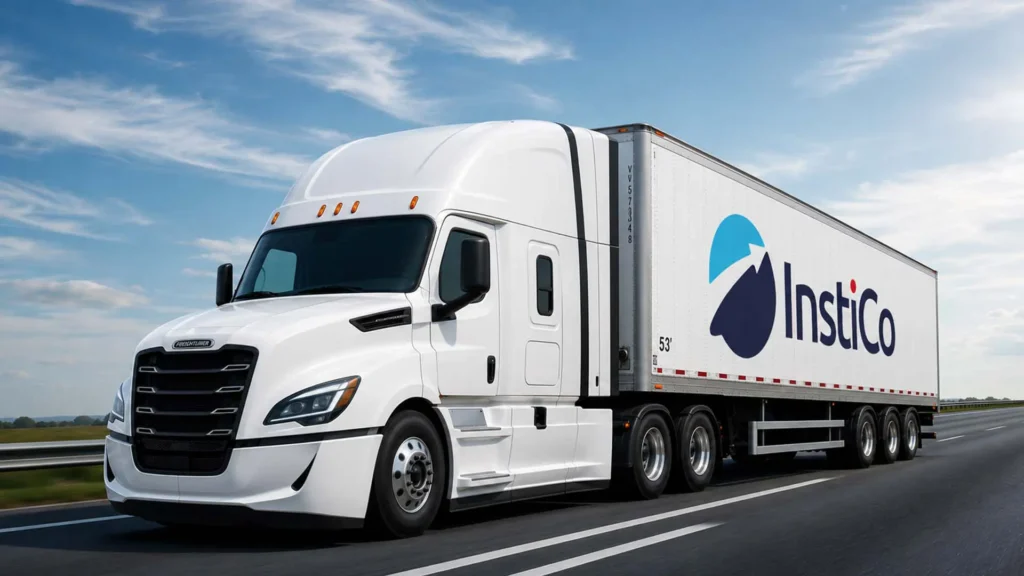
Temperature controlled shipping is just moving goods while actively keeping them within a defined temperature band. Sounds simple until you see how many things interrupt that flow in real operations. But in practical terms, it involves refrigerated trucks, insulated boxes, cold rooms, and monitoring devices, all trying to hold one condition steady. And here’s what actually matters, which means it’s not the truck doing the job alone. It’s everything before and after the truck, too.
A shipment might leave a cold warehouse perfectly fine, sit at a loading dock for 20–30 minutes because paperwork isn’t cleared, and that small gap already starts changing conditions inside the packaging. No alarms sometimes. No visible damage. But the exposure has already happened. That’s why climate controlled shipping is always more fragile than it looks on paper.
Why Temperature Control is Critical Across Industries
The demand for climate-controlled shipping has surged in recent years, driven by advancements in biotechnology and a globalized food trade.
- Pharmaceuticals: Many modern medicines, particularly biologics and vaccines, are highly “thermolabile.” If they get too warm or too cold, the molecular structure can change, rendering the medicine ineffective or even toxic.
- Food and Beverage: Ranging from fresh vegetables to frozen meats, the food sector requires temperature-controlled shipping to inhibit the growth of bacteria. Ultimately, it ensures that consumers are safe.
- Chemicals and Industrials: Some high-tech components, adhesives, and chemicals can be very unstable. Storage in a consistent environment prevents harmful reactions and retains effectiveness.
- Fine Art and Antiques: Extreme fluctuations in humidity and temperature could cause warping of wood or damage to paintings. Climate control becomes an important element when dealing with high-value items.
Core Components of a Temperature-Controlled Supply Chain
A working system is not one machine. It’s multiple layers trying to not break under timing pressure.
- Cold storage warehouses hold goods before dispatch.
- Refrigerated trucks or containers keep movement controlled.
- Packaging slows down the temperature change when exposure happens.
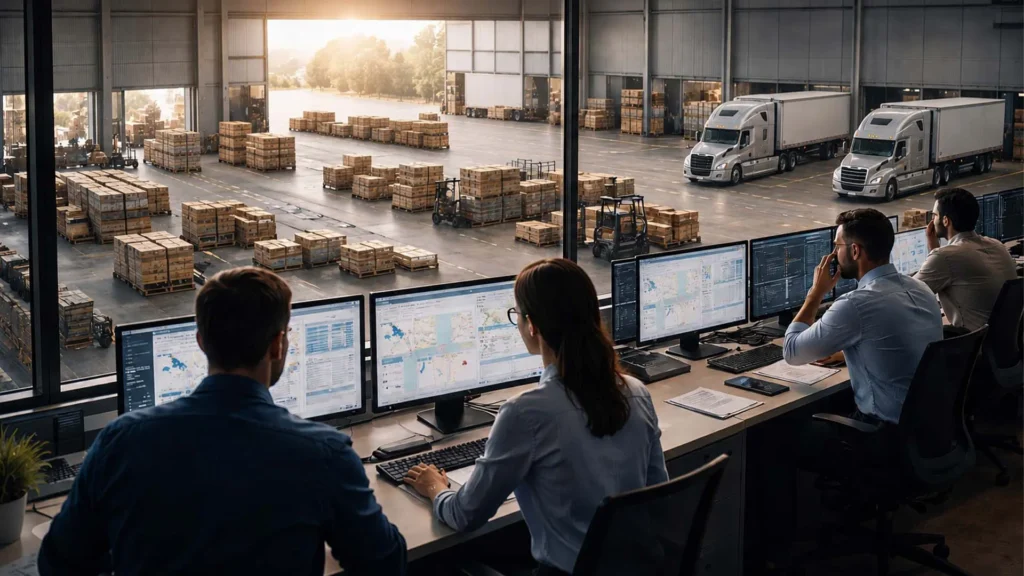
- Monitoring tools track what human eyes can’t see in real time.
In theory, these look well-connected. In reality, they depend heavily on timing discipline. One late pickup or one delayed handover, and the system starts operating outside its ideal conditions. That’s where most temperature sensitive logistics issues quietly begin.
Temperature Zones in Cold Chain Logistics
Not every sensitive product needs the same temperature. The right range depends on the product and the shipper’s handling instructions.
Common zones include:
- Controlled ambient, 15°C to 25°C: Often used for certain medicines, chocolate, cosmetics, and chemicals that need protection from extreme heat or freezing.
- Chilled, 2°C to 8°C: Common for dairy, fresh food, vaccines, and lab materials. These products need to stay cold without freezing.
- Frozen, usually -18°C or below: Often used for frozen meat, seafood, vegetables, and some medical materials.
- Deep-frozen, around -25°C or lower: Used for certain biotech products, research samples, and specialty medicines.
These are general ranges, not fixed rules for every shipment. The shipper should always confirm the approved temperature before the freight moves.
Good climate-controlled storage also means holding that range during loading, transit, handoffs, and final delivery, not only while the product sits inside the warehouse.
How cold chain logistics works
Understanding how cold chain logistics works comes down to a few controlled steps.
Prepare Before Loading
The product, packaging, and reefer should already be at the right temperature. A refrigerated unit is built to hold the temperature, not quickly cool warm freight.
Load With a Plan
The freight and paperwork should be ready before the doors open. Pallets also need enough space for cold air to move around the load.
Watch the Trip
During transit, the team should check the reefer setting, fuel, alarms, long stops, route delays, and delivery time. For urgent loads, expedited service can reduce travel time, but the shipment still needs the right equipment and handling.
Manage the Handoffs
Risk often increases when freight moves between a warehouse, truck, airport, or final-mile carrier. Each team should know where the load belongs and who to call if it is delayed.
Prepare the Delivery Site
The destination should have the appointment, unloading equipment, and cold space ready before the truck arrives.
Good maintaining temperature during transport depends on more than the reefer. Timing, clear instructions, and quick action during delays keep the shipment under control.
Common Challenges in Temperature-Controlled Transport
In real freight movement, problems rarely come from one big failure. It’s usually a chain of small ones.
Some common ones:
- Trucks waiting longer than planned during pickup
- Customs or security delays with doors open
- Wrong handling during quick transfers
- Power interruptions in reefer units during idle time
- Monitoring gaps when sensors fail or reset
The biggest issue is not always equipment failure. It’s time for outside control. That’s where most cold chain challenges actually start, not in transit, but in waiting.
Best Practices to Maintain Temperature Integrity
Good temp-controlled shipping is not built around one piece of equipment. It comes from checking the full trip and knowing what the team will do if something changes.
Have a Backup Plan
For sensitive freight, relying on one cooling method can leave very little room when there is a delay or equipment problem.
Insulated packaging, gel packs, dry ice, or thermal covers may give the load some extra protection. The backup still needs to fit the product. More cooling is not always better, especially when the cargo must stay cold but cannot freeze.
Check the Equipment Before Loading
A reefer should be checked before the freight goes inside.
That includes:
- Fuel or power
- Temperature setting
- Alarm status
- Airflow
- Door seals
- General equipment condition
A small issue found at the dock is usually manageable. The same issue becomes much harder to deal with once the truck is on the road with sensitive freight inside.
Make Sure the Freight Is Ready
The trailer should not be used to cool down a product that was loaded warm. The product, packaging, and equipment should already be at the right condition before loading starts.
Paperwork should also be cleared, the pallets should be staged, and the loading team should know the order of the load. Every extra minute with the doors open puts more pressure on the shipment.
Keep Handoffs Clear
Many cold chain challenges begin when the freight moves from one party to another.
The next team should know:
- What is arriving?
- What conditions does it need?
- Where should it be placed?
- How quickly does it need to move?
- Who to call if there is a delay?
A shipment can travel for hours under the right conditions and still run into trouble during a short warehouse or airport transfer.
Give Alerts a Clear Owner
Temperature data only helps when someone is watching it. The team should know who receives alerts, who contacts the driver, and who can make a decision if the shipment needs to be moved, held, or redirected. That responsibility also needs to be covered after normal business hours. An alert sitting unread in an inbox does nothing for the freight.
Keep the Records Together
Temperature logs, transfer times, delivery records, and notes about delays should be easy to find. Those records help the shipper understand what happened during the trip. They also make it easier to see whether the same facility, lane, or handoff keeps creating problems. Cold-chain work does not have to be perfect to be well managed. Delays and equipment problems can still happen. The important part is catching them early, protecting the load, and keeping everyone clear on the next step.
At InstiCo Logistics, we look at the product requirements, equipment, packaging, facilities, timing, and handoffs before the shipment moves. When the freight is urgent, we can also help plan faster transportation without losing sight of the handling needed at pickup and delivery.
Conclusion
Cold chain logistics is not a transport method. It’s a controlled movement system built to prevent silent damage during shipment. And the reality is simple, it doesn’t fail loudly. It fails quietly during small delays, handovers, and uncontrolled exposure moments.
When it works well, nobody notices it, and products just arrive as expected. That’s the entire point. For businesses handling sensitive cargo, working with experienced operators like Instico Logistics can help reduce those weak points across the chain and keep movement consistent from start to finish.
FAQs
Where do most cold chain failures happen?
Usually, during handovers and delays, not inside the transport itself.
Why is temperature control so important?
Because some products degrade without visible signs when exposed to the wrong conditions.
Is cold chain logistics reliable?
Yes, but only when timing, handling, and monitoring all work together without gaps.