The present-day geopolitical situation has removed the boundaries that previously impeded the expansion of businesses. Whether you are dealing with mid-sized manufacturing units or an emerging digital brand identity, the possibility of selling to the global market has become easier than ever before.
Cross-border trade is no longer the reserve of Fortune 500 corporations. Today, it is an imperative. With global trade hitting a record high of $35 trillion in 2025, corporations now see the route toward strength in widening their trade beyond oceans and borders. However, transporting goods from Point A in one region to Point B in another region encompasses several dynamics.
This guide will lead you through the essentials of cross-border logistics, helping you deal with the complexities of international logistics to scale your business effectively.
What Is Cross-Border Trade?
Cross-border trade refers to the exchange of goods or services that takes place between buyers and sellers residing in other countries. International trade, unlike domestic trade, demands overcoming the hurdles created by customs, freight paths, and various means of transportation.
Right from the production company that exports raw materials, to the retailer who exports products through cross-border e-commerce, global trading today has spread across all types and sizes of businesses. The secret of success here is in handling complications through optimum international logistics planning.
Why Cross-Border Logistics Matters
At its core is cross-border logistics, which coordinates all activities related to transportation, storage, customs, and distribution after crossing an international border. Delays, fines, or unhappy customers can result from even marginal performance. Well-organized global logistics services benefit the enterprise in the following ways:
- Lower transit time, transportation cost
- Ensure regulatory compliance
- Improve Supply Chain Visibility.
- Handling scale in new geographical regions
In a bid to bridge the current gaps in logistics in many countries, there is a need to develop creative approaches for logistics management.
Understanding the Foundations of Cross-Border Logistics
The process of planning, organizing, and controlling the flow of goods across international frontiers is referred to as cross-border logistics. It plays a very important part in a successful strategy.
1.Global Shipping Choices
When embarking on cross-border shipping, it is important that you consider the mode of transportation that meets your needs in terms of cost and time sensitivity. Freight shipping across the international border is typically categorized into three groups:
- Ocean Freight: Best suited to high-volume, non-urgent cargo. It remains the cheapest way to ship for longer hauls.
- Air Freight: Offers benefits to high-value or time-sensitive commodities, especially in the cross-border e-commerce segment.
- Road and Rail: Critical for trade within the continents, for example, the transportation of products from the US, Mexico, and Canada.
2. The Importance of International Transload Logistics
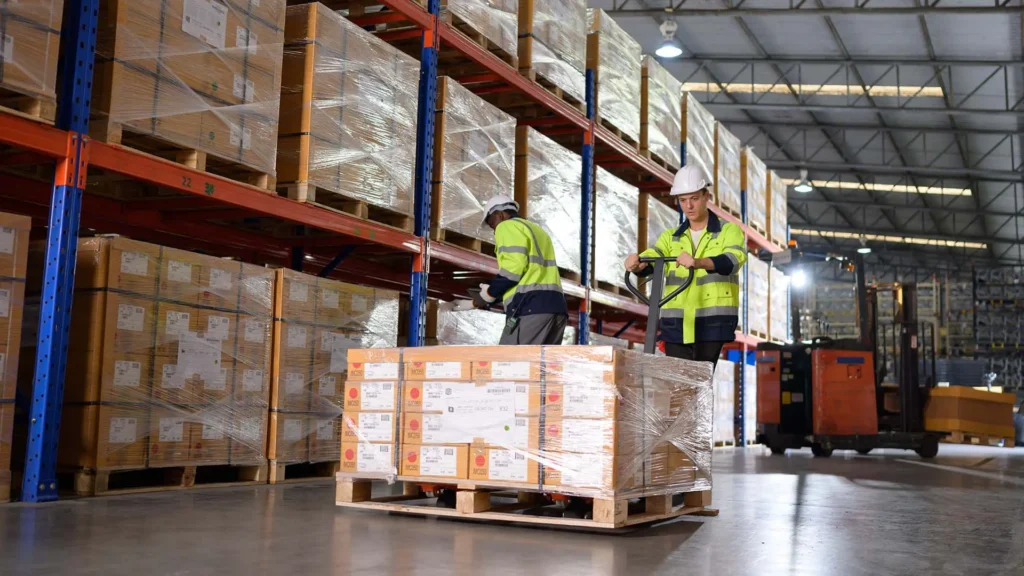
One of the most effective ways to optimize your supply chain is through international transload logistics. When we talk about transloading, it encompasses movements of goods from one mode of transportation to another. This could be from ocean containers to domestically based trucks. This is usually done near a strategic point that is either portside or near borders.
Why Use Transloading?
- Cost Savings: Smaller loads can be grouped and transported inside larger 53-foot trailers, thereby reducing the overall number of trucks.
- Equipment Compliance: North American trade means that Mexican trailers are usually different from U.S. safety regulations. Transloading means your products are loaded into compliant units as soon as they cross.
- Flexibility: It allows you to reroute goods using real-time demand, preventing stockouts in rapidly expanding areas.
Managing Difficulties in Cross-Border Shipping
While the rewards are high, international logistics includes inherent hurdles. Understanding these early can save your business thousands in “surprise” fees.
Customs and Compliance
Every country has its own set of “rules of the road.” This includes:
- HS Codes: Harmonized System codes determine the tariffs and taxes applied to your goods. One wrong digit can lead to a lengthy customs hold.
- Duties and Taxes: Whether you are doing B2B or cross-border e-commerce, you must decide if you will ship DDP (Delivered Duty Paid) or DAP (Delivered at Place). Today’s consumers largely prefer DDP to eliminate surprise “doorstep” fees.
The Rise of Nearshoring
In 2026, we are seeing a massive shift toward nearshoring, particularly with Mexico becoming a manufacturing powerhouse for the North American market. This change has placed a premium on international logistics services that are able to navigate the bustling Laredo or Tijuana border crossings with minimal friction.
Strategic Advantages of Modern International Logistics Services
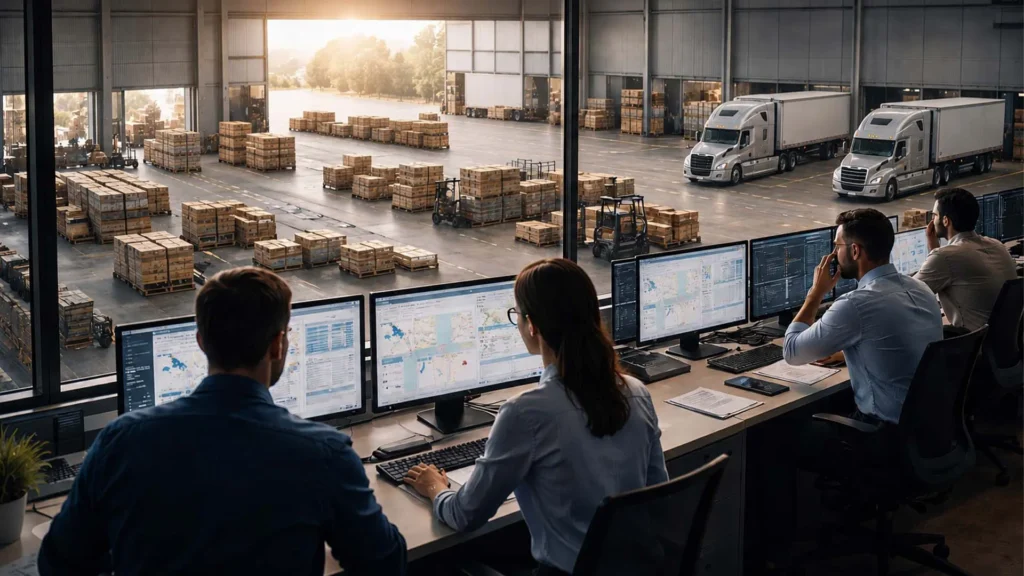
To stay competitive, your logistics strategy needs to move beyond simple “shipping.” It requires a partnership with a provider that offers end-to-end visibility.
Feature | Impact on Your Business |
Real-Time Tracking | Reduces “where is my order” inquiries by 40%. |
Bonded Warehousing | Allows you to store goods and defer duty payments until the point of sale. |
Automated Documentation | Cuts down on human error, which accounts for 30% of customs delays. |
Predictive AI | Anticipates port congestion or weather delays before they happen. |
Best Practices for Cross-Border E-commerce
If you are a retailer, cross-border ecommerce is likely your fastest route to growth. However, international customers have different needs from domestic ones.
- Localize the Experience: The prices should be in local currency, and preferred local payment methods should be offered, such as digital wallets, which would already be the fastest-growing payment method in 2026.
- Transparent Returns: A “complex returns process” is the #1 reason global shoppers abandon their cart. Use international logistics services that provide a clear, local return address.
- Transload the goods: At high levels of e-commerce, international transload logistics near major borders allow you to “inject” your packages directly into local carrier networks, such as UPS and FedEx, for that really high speed of the last mile.
Scaling with Confidence
Entering the world of cross-border trade can feel like learning a new language. Between international freight schedules, customs paperwork, and the details of cross-border logistics, there is a lot to manage. However, you don’t have to do it alone.
The most successful businesses in 2026 aren’t the ones that try to do everything themselves. They are the ones that partner with experts who understand the “middle mile” and the “last mile” just as well as the manufacturing process.
Take Your Business Global with InstiCo Logistics
Handling the challenges of international logistics requires more than just a truck; it requires a partner with the technology and expertise to keep your supply chain moving. At InstiCo Logistics, we specialize in high-efficiency cross-border shipping and international transload logistics solutions designed to scale with your business.
Whether you’re planning to refine your cross-border e-commerce fulfillment or simplify your international freight into North America, we provide the visibility and reliability you require to excel in the global marketplace.
Contact InstiCo Logistics Today to get a custom quote and see how our international logistics services can simplify your journey across borders.